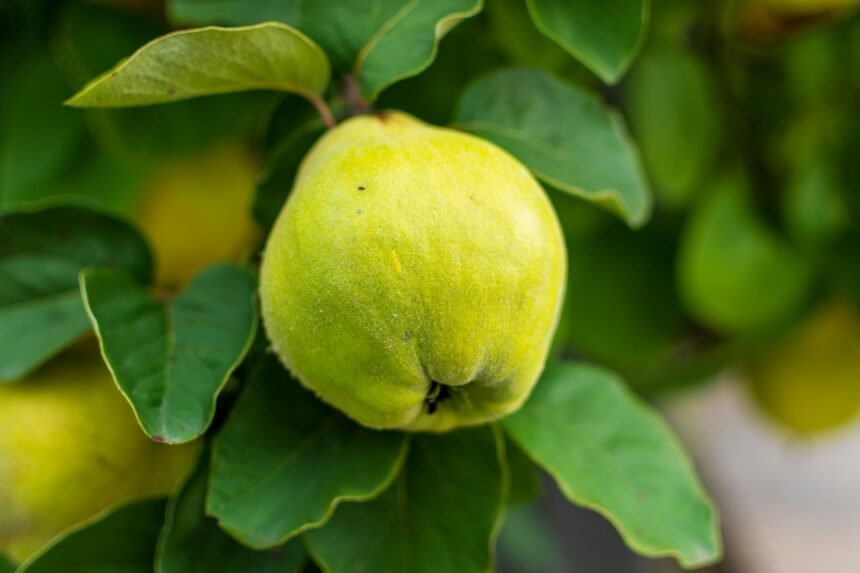
Living with diabetes or pre-diabetes often feels like a constant balancing act. Every meal becomes a calculation, and navigating the supermarket aisles can feel overwhelming when you are trying to keep your glucose levels stable. You might be searching for natural ways to support your health without sacrificing flavour. This search often leads to tropical fruits, which are delicious but sometimes feared due to their natural sugar content.
One fruit that frequently appears in discussions about blood sugar management is guava. Known for its distinct fragrance and vibrant colour, guava is a staple in many tropical countries. But does it live up to the hype when it comes to diabetes management? The answer is promising.
Research suggests that guava, and specifically guava leaf extract, may offer significant benefits for those monitoring their insulin and glucose levels. By understanding the nutritional profile of this superfruit, you can make informed decisions about your diet. This article explores the science behind guava and blood sugar, providing you with evidence-based insights to help you prioritise your health.
What is the link between guava and blood sugar?
To understand why guava is often recommended for blood sugar management, we must look at its nutritional composition. Unlike many other tropical fruits that cause rapid spikes in glucose, guava has unique properties that support metabolic health.
Low Glycaemic Index (GI)
The Glycaemic Index (GI) is a tool used to measure how quickly foods containing carbohydrates affect your blood sugar levels. Foods with a high GI are digested rapidly, leading to sharp spikes in blood sugar. Conversely, low GI foods are digested more slowly, resulting in a gradual rise.
Guava has a remarkably low GI score, typically ranking between 12 and 24 depending on the variety and ripeness. This makes it an excellent snack choice for preventing those dangerous sugar crashes. For a deeper understanding of how GI impacts your health, you can consult resources from Diabetes UK, which explains the importance of low-GI food choices.
High Fibre Content
Fibre is a crucial component in the diet of anyone managing diabetes. It slows down the absorption of sugar into your bloodstream, which helps to level out blood glucose readings. Guava is incredibly rich in dietary fibre, particularly pectin.
A single medium-sized guava can provide approximately 12% of your recommended daily fibre intake. This is significantly higher than many common fruits. According to the NHS, increasing fibre intake is a key strategy for managing type 2 diabetes effectively. By delaying digestion, the fibre in guava ensures that the sugar naturally present in the fruit does not enter your system all at once.
Vitamin C and Antioxidants
While blood sugar control is the primary goal, managing the secondary effects of diabetes is also vital. Chronic high blood sugar can lead to oxidative stress and inflammation throughout the body. Guava is a powerhouse of Vitamin C, containing four times more than an orange.
High levels of Vitamin C and other antioxidants found in guava help neutralise harmful free radicals. This protective effect supports heart health and kidney function, which are often compromised in long-term diabetes. You can read more about the general benefits of this fruit on Healthline.
The Power of Guava Leaf Extract
Interestingly, the most compelling evidence for guava’s efficacy in blood sugar management comes not just from the fruit, but from the leaves. In many cultures, guava leaf tea has been used as a traditional remedy for generations.
Scientific Evidence
Modern science has begun to back up these traditional practices. Several studies indicate that guava leaf extract can improve insulin resistance. A notable mechanism is the inhibition of certain enzymes in the gut that break down carbohydrates into glucose.
By inhibiting these enzymes, guava leaf extract acts somewhat similarly to certain diabetes medications, though usually with a milder effect. A study indexed by the National Library of Medicine highlighted that consumption of guava leaf tea significantly lowered blood glucose levels after a meal in human subjects. This suggests that sipping this tea alongside a carbohydrate-rich meal could help blunt the post-prandial glucose spike.
Improving Insulin Resistance
Insulin resistance occurs when your body’s cells stop responding properly to insulin. Improving this sensitivity is the holy grail of type 2 diabetes management. Compounds in guava leaves, such as flavonoids and quercetin, improve glucose uptake in the liver and muscles. This means your body becomes more efficient at clearing sugar from the blood, rather than letting it accumulate.

Nutritional Comparison: Guava vs. Common Fruits
To visualise why guava is a superior choice for blood sugar management, it helps to compare it with other popular fruits. The table below outlines the key differences in sugar, fibre, and glycaemic load.
| Nutrient Factor | Guava (100g) | Banana (100g) | Grapes (100g) |
|---|---|---|---|
| Total Carbohydrates | 14g | 23g | 18g |
| Dietary Fibre | 5.4g | 2.6g | 0.9g |
| Sugar | 9g | 12g | 16g |
| Glycaemic Index (GI) | 12-24 (Low) | 51 (Medium) | 59 (Medium) |
| Vitamin C | 228mg | 8.7mg | 3.2mg |
As the data indicates, guava provides double the fibre of a banana and significantly less sugar than grapes. This combination is why nutritionists often favour it. For more details on building a balanced diet, the GOV.UK Eatwell Guide is an essential resource for understanding food groups.
Actionable Steps for Your Diet
Incorporating guava into your routine is simple, but how you eat it matters. Here are practical ways to maximise the benefits without accidentally spiking your sugar.
1. Eat the Whole Fruit, Peel Included
Many of the beneficial nutrients, particularly the fibre and antioxidants, are located in or just below the peel. Wash the fruit thoroughly and eat it whole, similar to an apple. Peeling the fruit reduces its fibre content, which may increase the rate at which its sugar is absorbed.
If you are unsure how to prepare it, BBC Good Food offers excellent tips and simple recipes that prioritise health. Avoid juicing the fruit, as juicing removes the fibre and concentrates the sugar, which is counterproductive for diabetes management.
2. Brew Guava Leaf Tea
If you cannot find fresh fruit, or if you want to target blood sugar specifically without adding calories, guava leaf tea is an excellent alternative. You can purchase dried leaves or tea bags from health food stores.
- Preparation: Steep one tea bag or a handful of dried leaves in hot water for 5-7 minutes.
- Timing: Drinking this tea with a meal is generally considered the most effective time to help modulate glucose absorption.
3. Watch Your Portions
Even though guava is low GI, it still contains carbohydrates. Portion control remains critical. Eating five guavas in one sitting could still raise your blood sugar. Stick to one medium-sized fruit as a snack or part of a balanced breakfast. Mayo Clinic emphasises that total carbohydrate counting is often more important than the source of the carbohydrate.
4. Pair with Protein or Fat
To further blunt any glucose response, pair your guava with a source of healthy fat or protein. A few almonds, a slice of cheese, or a dollop of Greek yoghurt alongside your fruit can slow digestion even further. This is a standard recommendation found in guidance from organisations like Medical News Today regarding diabetic snack hacks.
Frequently Asked Questions
We know that changing your diet raises questions. Here are some of the most common queries regarding guava and blood sugar.
Can I eat guava at night?
Yes, eating guava at night is generally safe. Because of its low glycaemic index and high fibre content, it is unlikely to cause a sugar rush that disrupts sleep. However, it is generally best to finish eating 2-3 hours before bed to aid digestion.
Is ripe or unripe guava better for diabetes?
Slightly unripe or “semi-ripe” guava is often preferred for blood sugar management. As fruit ripens, its starch converts to sugar. While a fully ripe guava is softer and sweeter, a crunchier, less ripe guava will have a lower sugar content and a slightly lower GI score.
Does guava interact with diabetes medication?
Generally, guava fruit is safe. However, guava leaf extract supplements can be potent. If you are already taking medication to lower your blood sugar, adding a strong supplement could theoretically cause hypoglycaemia (low blood sugar). Always consult your GP before starting concentrated supplements. You can check for general interaction advice on reputable sites like WebMD.
How much fibre should I aim for?
The British Nutrition Foundation recommends adults aim for 30g of fibre a day. One guava gets you a fifth of the way there, making it an efficient choice for reaching this target.
The Bottom Line
Guava is more than just a tasty tropical treat; it is a nutritional ally for those managing blood sugar levels. Its combination of high dietary fibre, low glycaemic index, and rich antioxidant profile makes it a superior choice compared to many other fruits. Furthermore, the potential of guava leaf tea to improve insulin sensitivity adds another layer of benefit.
However, no single food is a magic cure. Guava should be viewed as part of a broader, balanced diet that includes lean proteins, healthy fats, and whole grains. It is also essential to maintain an active lifestyle and adhere to any medication plans prescribed by your doctor.
If you have not tried guava before, consider slicing one up for your next mid-morning snack. By making small, evidence-based swaps in your diet—like choosing guava over grapes—you can take proactive steps toward better glycaemic control and long-term well-being.