When we think of tropical fruits, the guava often springs to mind as a delicious, sweet treat found in juices or fruit salads. However, beyond its vibrant pink flesh and distinct aroma, this humble fruit—and specifically the extract derived from its leaves and fruit—is garnering significant attention in the scientific community.
For many in the UK, looking for natural ways to support our health is a top priority. We are constantly searching for foods and supplements that not only nourish us but also offer protective benefits against serious conditions. One of the most compelling areas of modern nutrition research is the link between plant-based compounds and cancer prevention.
While no single food can cure cancer, emerging evidence suggests that guava extract may possess powerful properties that could play a supportive role in cellular health. From its high antioxidant content to its potential ability to interfere with tumour growth, guava is more than just a tasty snack.
In this article, we explore the science behind guava extract, its potential benefits, and what you need to know before adding it to your wellness routine.
What is Guava Extract?
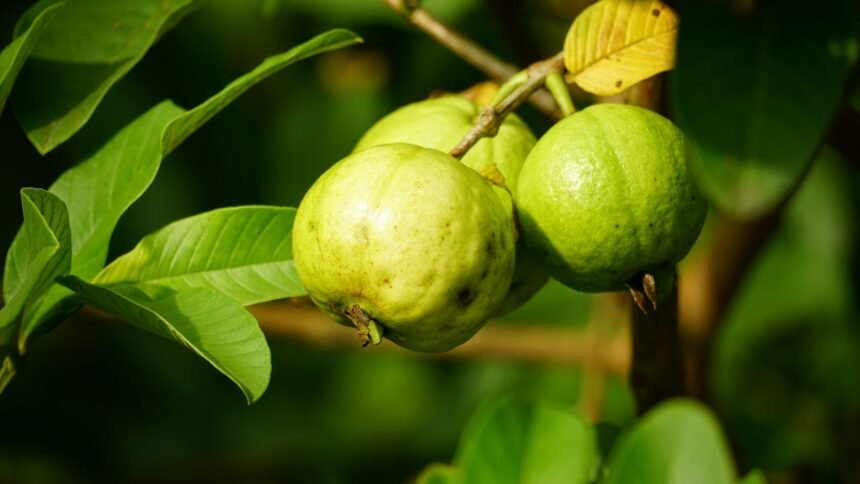
Guava (Psidium guajava) is a tropical tree native to Central and South America, though it is now cultivated in warm climates globally. While the fruit is rich in dietary fibre and vitamin C, guava extract is typically derived from the leaves, fruit, or bark of the plant.
This extract is a concentrated form of the plant’s beneficial compounds. In traditional medicine, parts of the guava tree have been used for centuries to treat everything from inflammation to digestive issues. Today, science is catching up, attempting to understand the biological mechanisms behind these traditional uses.
The extract is particularly prized for its dense concentration of bioactive compounds. These include flavonoids, phenols, and carotenoids, which are chemicals that plants produce to protect themselves but also offer health benefits to humans when consumed.
According to the British Nutrition Foundation, plant-based bioactive compounds are essential for maintaining long-term health. Guava extract is essentially a powerhouse of these nutrients, delivered in a much more potent form than you would get simply by eating the raw fruit.
The Science: Exploring Anti-Cancer Potential
The potential anti-cancer properties of guava extract stem largely from its ability to combat oxidative stress. Oxidative stress occurs when there is an imbalance between free radicals—unstable molecules that damage cells—and antioxidants, which neutralise them. This damage is a known driver of cancer development.
Research has highlighted several specific ways in which guava extract might influence cancer cells.
1. High Levels of Lycopene and Quercetin
One of the standout components of guava, particularly the pink variety, is lycopene. This is the same pigment that gives tomatoes their red colour. Lycopene is a potent antioxidant that has been extensively studied for its role in prostate and breast health.
Additionally, guava leaves are rich in quercetin, a flavonoid with strong anti-inflammatory properties. Chronic inflammation is often a precursor to tumour development. By reducing inflammation, quercetin may help create an environment in the body that is less hospitable to cancer cells.
For a deeper understanding of how these compounds work, Healthline explains the vital role of antioxidants in protecting your cells from damage.
2. Promoting Apoptosis (Cell Death)
In a healthy body, cells have a natural life cycle. When they become damaged or old, they undergo a process called apoptosis, or programmed cell death. Cancer cells, however, often evade this process, allowing them to multiply uncontrollably.
Laboratory studies suggest that compounds found in guava leaf extract may help “switch on” these suicide signals in cancer cells. For example, research published in the National Center for Biotechnology Information (NCBI) has observed that specific guava extracts can induce apoptosis in certain gastric and prostate cancer cell lines in test tubes.
It is vital to realise that these are largely preclinical studies, meaning they were conducted in petri dishes or on animals, not humans. However, the results are a promising starting point for future drug development.
3. Blocking Tumour Growth and Metastasis
Another critical area of research is angiogenesis, the process by which tumours develop their own blood vessels to feed themselves. If you cut off the blood supply, the tumour starves.
Some studies indicate that guava extract may act as an angiogenesis inhibitor. By preventing tumours from establishing a blood supply, the extract could theoretically slow down growth or prevent metastasis (the spread of cancer to other parts of the body).
Organisations like Cancer Research UK continue to fund research into how natural inhibitors like these could be synthesised into effective treatments.
4. Hormonal Regulation Support
Certain cancers, such as specific types of breast and prostate cancer, are driven by hormones. The compounds in guava extract may interact with hormone receptors or influence hormone metabolism.
For instance, regarding prostate health, maintaining a diet rich in lycopene is frequently recommended. Information from Prostate Cancer UK suggests that dietary choices play a significant role in managing risk, and guava is a top-tier source of these protective nutrients.
Nutrient Breakdown: Guava vs. Other Superfoods
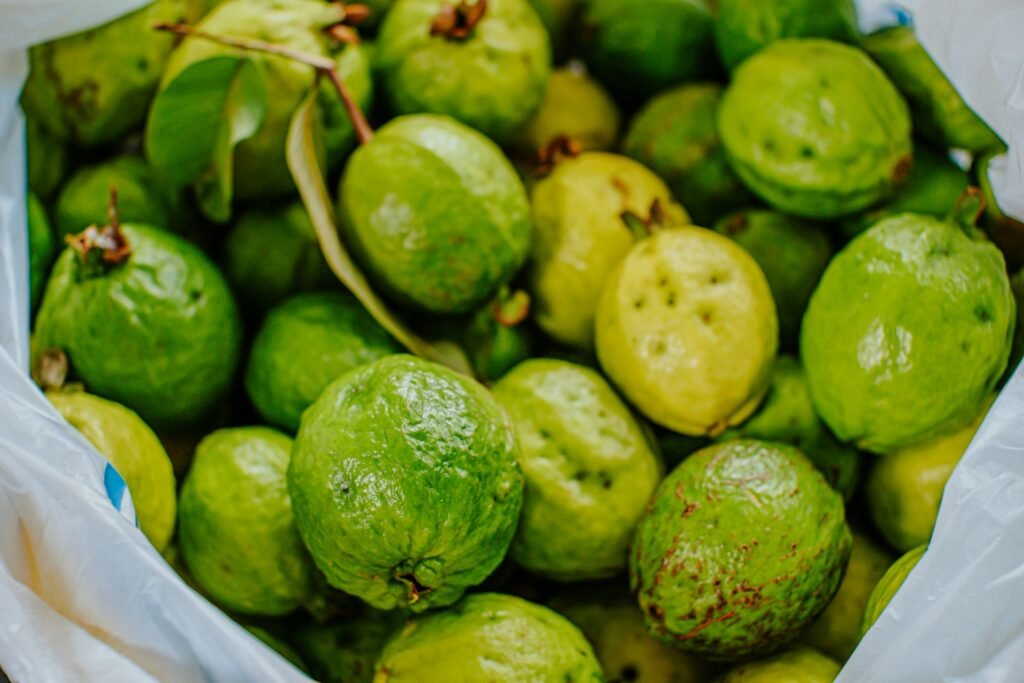
To understand why guava extract is so highly regarded, it helps to compare its nutritional profile to other common health foods. The table below highlights key antioxidants involved in cell protection.
| Nutrient / Compound | Guava (100g) | Orange (100g) | Tomato (100g) | Primary Benefit |
|---|---|---|---|---|
| Vitamin C | ~228 mg | ~53 mg | ~14 mg | Supports immune defence and DNA repair. |
| Lycopene | ~5200 µg | 0 µg | ~2573 µg | Potent antioxidant linked to prostate health. |
| Dietary Fibre | ~5.4 g | ~2.4 g | ~1.2 g | Aids digestion and toxin removal. |
| Quercetin | High (in leaves) | Low | Low | Anti-inflammatory and antihistamine. |
Note: Values are approximate and can vary based on the ripeness and variety of the fruit.
As shown, guava significantly outperforms oranges in Vitamin C content and beats tomatoes in lycopene content. This density allows guava extract to deliver a substantial therapeutic dose of nutrients.
Safety, Dosage, and Usage
While guava is natural, high-strength extracts function differently in the body than whole foods. It is crucial to approach supplementation with care.
Possible Side Effects
Guava fruit is generally safe for everyone. However, extracts made from leaves can be very potent. Some users report mild digestive upset when taking concentrated supplements. Furthermore, because guava extract can lower blood sugar levels, those with diabetes should monitor their levels closely to avoid hypoglycaemia.
If you are currently undergoing chemotherapy or radiation, you must consult your oncologist before taking antioxidants. High doses of antioxidants can sometimes interfere with cancer treatments by protecting the very cancer cells the therapy is trying to destroy. Macmillan Cancer Support offers excellent guidance on navigating complementary therapies safely.
Interactions with Medications
Always check for interactions. Supplements can alter how your liver processes drugs. The GOV.UK website provides resources on the regulation of herbal medicines and safety alerts that are worth checking.
How to Use
- Guava Leaf Tea: A gentle way to consume the extract. Steep dried leaves in boiling water for 10 minutes.
- Capsules: Standardised extracts are available in health shops. Look for products that list the percentage of active ingredients.
- Powder: Can be added to smoothies, though the taste can be astringent.
Maintaining a balanced diet is always superior to relying on supplements. As the NHS advises, vitamins and minerals are best absorbed from food sources where possible.
Frequently Asked Questions
Can guava extract cure cancer?
No. There is currently no scientific evidence that guava extract can cure cancer in humans. While studies show it can kill cancer cells in a lab setting, the human body is far more complex. It should be viewed as a supportive measure, not a replacement for medical treatment.
Is it safe to drink guava leaf tea every day?
Generally, yes. Guava leaf tea is consumed daily in many cultures. However, moderation is key. If you are pregnant or breastfeeding, it is always best to consult a healthcare professional first. The BBC News health section often highlights that “natural” does not automatically mean “risk-free” in high doses.
Which part of the guava is best for cancer prevention?
Both the fruit and the leaves have benefits. The fruit is better for Vitamin C and lycopene, while the leaves are higher in quercetin and other polyphenols. Using a whole-spectrum extract or consuming both the fruit and tea may offer the broadest range of benefits.
Does guava interact with blood pressure medication?
It might. Because guava leaf extract has a mild hypotensive (blood-pressure-lowering) effect, combining it with prescription medication could cause your pressure to drop too low. Always monitor your vitals.
Where can I buy high-quality guava extract?
Look for reputable health food retailers in the UK. Ensure the product has clear labelling and ideally has been tested for purity. Avoid buying unknown brands from international marketplaces without verification.
The Bottom Line
Guava extract is a fascinating natural substance with a robust profile of antioxidants and bioactive compounds. The research into its effects on cancer cells—specifically regarding apoptosis and tumour growth inhibition—is promising and warrants further scientific investigation.
However, it is not a magic bullet. The best approach to cancer prevention remains a holistic one: a balanced diet rich in fruits and vegetables, regular exercise, and avoiding smoking and excessive alcohol.
If you choose to use guava extract, treat it as a part of a broader healthy lifestyle. Prioritise whole foods, listen to your body, and always keep your medical team informed of any supplements you take to ensure your safety and well-being.