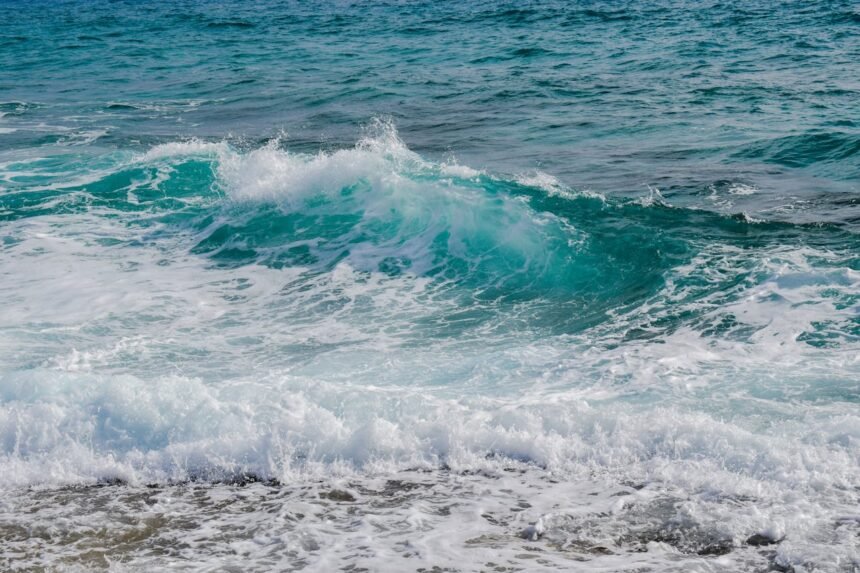
Have you ever noticed that you sleep more soundly during beach holidays? There is something almost magical about the way the air feels at the coast. It is not just the lack of emails or the rhythmic sound of the water; there is a physiological reason why an ocean breeze sleep feels so restorative. In this guide, we will explore the science behind why coastal air helps you drift off and how you can replicate those benefits at home.
The Science of Coastal Relaxation
The immediate sense of coastal relaxation we feel when approaching the shore is not a coincidence. Research suggests that blue spaces—environments near water—have a profound impact on our mental health. When we breathe in the air near the shoreline, we are inhaling more than just oxygen.
The Role of Negative Ions
One of the key components of an ocean breeze sleep is the presence of negative ions. These are molecules that have been charged with electricity, often created by the energy of crashing waves and sea spray. Once these ions reach our bloodstream, they are believed to produce biochemical reactions that increase levels of the mood-boosting chemical serotonin.
Healthy serotonin production helps to alleviate stress and regulate our circadian rhythm, the internal clock that tells us when to wake up and when to go to bed. By lowering cortisol levels, negative ions prepare the body for a deeper, more refreshing state of better rest.
How Salt Air Improves Respiration
The maritime climate is naturally rich in salt air. For centuries, people have travelled to the coast to “take the sea air” for respiratory health. This is because saline-rich air acts as a natural humidified air source, which can thin mucus and reduce inflammation in the airways.
If you suffer from allergies or mild snoring, the coastal environment may help clear your passages, leading to higher sleep quality. This clean, moisture-rich air is a far cry from the dry, recycled air found in many modern urban apartments.
Magnesium and the Sea
While we often think about what we breathe, what we absorb through our skin also matters. Spending time in the water may aid in magnesium absorption. Magnesium is a vital mineral for relaxation and is often used as a natural sleep aid. Combined with the physical exertion of swimming or walking on the sand, your body is primed for recovery by the time the sun sets.
Soundscapes: The Power of White Noise
The sound of the ocean is perhaps the world’s most popular form of white noise. Unlike the jarring sounds of a city—sirens, shouting, or heavy traffic—the ocean provides a constant, rhythmic “whoosh” that the brain perceives as non-threatening.
According to experts at the NHS, creating a consistent auditory environment can help prevent sudden noises from waking you up. The predictable pattern of the waves helps the brain switch off and enter the deeper stages of REM sleep.
Comparing Sleep Environments
To understand why an ocean breeze sleep is so effective, let’s look at how coastal environments compare to typical urban settings.
| Feature | Urban Environment | Coastal Environment |
|---|---|---|
| Air Quality | High pollutants, dry air | High negative ions, salt air |
| Sound Profile | Erratic, “Pink” or “Brown” noise | Consistent, rhythmic white noise |
| Temperature Control | Heat islands, fluctuating | Stable maritime climate |
| Light Pollution | High (Artificial blue light) | Low (Natural darkness) |
Recreating the Coastal Experience at Home
You do not need to live on the cliffs of Cornwall to enjoy the benefits of an ocean breeze sleep. By making a few adjustments to your bedroom, you can mimic the coastal relaxation found at the shore.
- Use a Saline Spray: A simple saline nasal spray before bed can mimic the effects of breathing in sea spray.
- Optimise Humidity: Utilise a humidifier to prevent the air from becoming too dry, which is common in heated rooms.
- Sound Machines: Invest in a high-quality sound machine that features crashing waves rather than looping digital tracks.
- Open the Windows: If the weather permits, allowing fresh air to circulate can help reset your circadian rhythm, as suggested by Harvard Health.
- Keep it Cool: The sea air is often cooler than inland air. Aim for a bedroom temperature of around 18°C (64°F) for better rest.
The Psychological Impact of Blue Spaces
There is a strong link between our environment and our mental state. The Mental Health Foundation notes that nature-based environments significantly reduce feelings of anxiety. When we look at the horizon over the water, our brains enter a state of “soft fascination,” which allows our cognitive resources to recharge.
This mental decluttering is essential for those who find their minds racing at night. By associating the ocean breeze sleep with safety and tranquility, we train our nervous system to relax more quickly. As Psychology Today reports, even looking at pictures of water can lower heart rates.
The Importance of Movement
Getting a good night’s sleep by the sea is also a result of what we do during the day. Engaging in coastal walking or water sports increases our physical tiredness. The combination of fresh air, physical activity, and a stable maritime climate creates the perfect storm for deep slumber.
If you are struggling with insomnia, consider how you can incorporate more “blue” or “green” time into your routine. Even a weekend trip can reset your body’s ability to achieve sleep quality that lasts long after you have returned home. According to the BBC, people living within 1km of the coast report better general health, much of which is attributed to better recovery through sleep.
Conclusion
An ocean breeze sleep is more than just a luxury; it is a holistic experience that benefits your lungs, your brain, and your biological clock. By understanding the roles of negative ions, salt air, and rhythmic sound, we can prioritise our rest and find ways to bring the healing power of the coast into our daily lives. Whether you are heading to the beach this weekend or just turning on a sound machine, remember that your environment is the foundation of your well-being.
Frequently Asked Questions (FAQs)
Why do I feel so tired after a day at the beach?
This is often called “sea air fatigue.” It is caused by your body working to regulate its temperature in the wind and sun, combined with the relaxing effect of negative ions and the physical activity often associated with being outdoors. Your body is simply ready for better rest.
Can salt lamps mimic ocean breeze sleep?
While Himalayan salt lamps are popular, there is limited scientific evidence that they produce enough negative ions to impact sleep quality. However, they do provide a warm, amber glow that is much better for your circadian rhythm than the blue light from phones or televisions, as noted by the Mayo Clinic.
Is the air by the sea actually cleaner?
Generally, yes. Coastal areas often have lower levels of man-made pollutants because the moving air masses from the sea dilute urban smog. The maritime climate provides a fresher, more oxygen-rich environment which supports better respiratory function during the night.
How does the sea affect my mood?
Exposure to coastal environments has been shown to increase serotonin production. The combination of the “blue” visual field and the rhythmic sounds of the water helps to lower blood pressure and reduce the “fight or flight” response, according to The Guardian and Medical News Today.