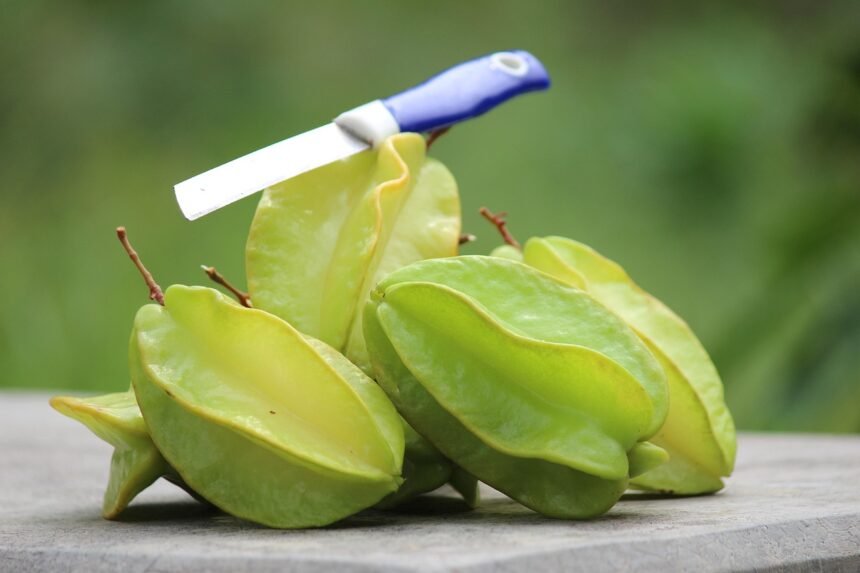
If you are looking to diversify your beverage rotation with something exotic, refreshing, and visually stunning, star fruit tea might be the perfect addition to your pantry. Known scientifically as Averrhoa carambola, the star fruit is celebrated for its distinctive shape and sweet-tart flavour profile.
While commonly eaten raw or used as a garnish in salads and cocktails, brewing this tropical gem into a tea releases a unique bouquet of nutrients and flavours. Whether served piping hot on a rainy afternoon or iced on a summer day, star fruit tea offers a hydration boost backed by an impressive nutritional profile.
However, like many potent natural foods, it requires specific knowledge regarding preparation and safety. This article explores the evidence-based benefits of star fruit tea, potential risks, and the best ways to brew it at home.
What Is Star Fruit Tea?
Star fruit tea is an infusion made by steeping fresh or dried slices of the star fruit (carambola) in hot water. The fruit gets its name from its five-point longitudinal ridges; when sliced crosswise, the pieces resemble perfect stars.
Native to Southeast Asia but now cultivated in tropical climates globally, the fruit comes in two main varieties: a smaller, sour type and a larger, sweeter version. Both can be used for tea, though the flavour profile will shift significantly depending on which you choose.
The tea is naturally caffeine-free, making it an excellent alternative to traditional black or green teas for those sensitive to stimulants. It is often consumed in traditional medicine practices in India and China to cool the body and soothe throat inflammation.
Nutritional Snapshot
The primary appeal of star fruit tea lies in the nutrient density of the fruit itself. When steeped, water-soluble vitamins and antioxidants leach into the liquid, creating a healthful tonic.
Star fruit is an excellent source of several key nutrients, particularly Vitamin C and fibre. It also contains plant compounds that function as antioxidants.
Here is a look at the nutritional breakdown of a medium-sized raw star fruit (approx. 91 grams), which serves as the base for a standard pot of tea:
| Nutrient | Amount | % Daily Value (DV) |
|---|---|---|
| Calories | 28 | – |
| Fibre | 3 grams | 10% |
| Protein | 1 gram | – |
| Vitamin C | 31 mg | 52% |
| Vitamin B5 | 0.4 mg | 4% |
| Folate | 11 mcg | 3% |
| Copper | 0.1 mg | 6% |
| Potassium | 121 mg | 3% |
Source: USDA FoodData Central
Potential Health Benefits
Drinking star fruit tea may offer several advantages, ranging from immune support to improved digestion. Below, we delve into the science behind these claims.
1. Rich in Antioxidants
Oxidative stress contributes to ageing and chronic diseases. Star fruit is loaded with beneficial plant compounds, including quercetin, gallic acid, and epicatechin. These are powerful antioxidants that help combat free radicals in the body.
Research suggests that the consumption of antioxidant-rich beverages can support cellular health and reduce inflammation. By brewing the fruit, you create a drink rich in these polyphenols.
For more on how antioxidants function, you can read this overview from the National Institutes of Health (NIH).
2. Immune System Support
A single medium star fruit provides roughly 52% of your daily recommended intake of Vitamin C. This water-soluble vitamin is crucial for the production of white blood cells, which are the body’s first line of defence against infections.
While boiling water can degrade some Vitamin C, steeping the fruit gently or mashing fresh fruit into warm water ensures you retain a significant portion of this vital nutrient. Regular consumption may help shorten the duration of common colds and respiratory infections.
3. Supports Heart Health
High blood pressure and cholesterol levels are significant risk factors for heart disease. The potassium and fibre found in star fruit contribute to cardiovascular health.
Potassium helps relax blood vessels, maintaining healthy blood pressure levels. Furthermore, soluble fibre can help reduce the absorption of cholesterol in the bloodstream. While the tea form may contain less fibre than eating the whole fruit, including the softened fruit slices in your cup can maximise this benefit.
Learn more about potassium and heart health from the British Heart Foundation.
4. Aids Digestion and Metabolism
In traditional medicine, star fruit preparations have been used to relieve stomach ailments. The fruit possesses anti-ulcer properties and can help soothe the lining of the stomach.
Additionally, hydration is key to a healthy metabolism. Star fruit tea provides a flavourful way to increase daily water intake without the added sugars found in sodas or commercial juices. Proper hydration is essential for digestion, nutrient absorption, and temperature regulation.
5. Potential Anti-Inflammatory Effects
Chronic inflammation is at the root of many modern ailments, including diabetes and arthritis. The sugars and phytochemicals in star fruit have demonstrated anti-inflammatory activities in animal studies.
By reducing systemic inflammation, regular consumption of anti-inflammatory foods and beverages may contribute to better overall long-term health.
Important Safety Information: Who Should Avoid It?
Despite its benefits, star fruit tea is not safe for everyone. It contains substances that can be toxic to people with kidney problems.
Kidney Risks and Neurotoxicity
Star fruit contains a high amount of oxalates and a specific neurotoxin called caramboxin. People with healthy kidneys can filter and excrete these substances without issue. However, for individuals with kidney disease, the body cannot process this toxin.
Accumulation of caramboxin can lead to severe complications, including confusion, seizures, and even death. This is often referred to as star fruit intoxication.
According to the National Kidney Foundation, anyone with kidney stones or kidney disease should avoid star fruit and its derivatives entirely.
Drug Interactions
Similar to grapefruit, star fruit can alter the way your body metabolises certain medications. It inhibits specific enzymes in the liver, which can lead to higher-than-intended levels of drugs in your system.
If you are taking statins, anti-anxiety medications, or painkillers, consult your GP before adding star fruit tea to your diet. For a detailed list of interactions, refer to WebMD.
How to Select and Store Star Fruit
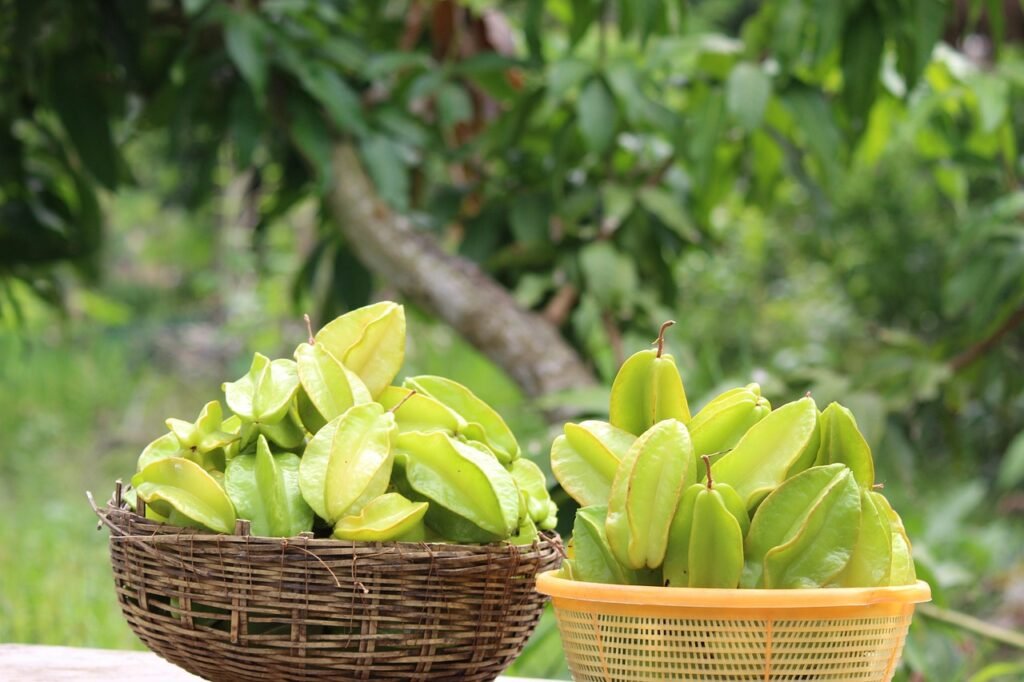
To make the best tea, you need high-quality produce. When shopping, look for fruit that is firm and bright yellow. A little bit of green on the ridges indicates it is slightly underripe, which is fine if you prefer a tart flavour.
- Sweet Variety: Usually has thicker, fleshy ribs. Ideal for a soothing, dessert-like tea.
- Sour Variety: Often smaller with narrow ribs. Ideal for a tea with a ‘kick’, similar to lemon tea.
Avoid fruit with brown, shrivelled spots, as this indicates over-ripeness or fermentation. Store unripe fruit at room temperature and move them to the fridge once they turn fully yellow. They will keep in the refrigerator for up to two weeks.
How to Brew Star Fruit Tea: A Step-by-Step Guide
Making star fruit tea at home is simple. You can prepare it using fresh fruit for a vibrant taste, or dried slices for a more concentrated, earthy flavour. Below is a recipe for fresh fruit tea.
Ingredients
- 2 ripe star fruits (washed thoroughly)
- 4 cups (approx. 1 litre) of water
- 1 tablespoon of honey or maple syrup (optional)
- 1 cinnamon stick or a slice of ginger (optional for warmth)
- Fresh mint leaves for garnish
Instructions
- Prep the Fruit: Wash the star fruit under running water. Use a gentle brush to ensure dirt is removed from the crevices. Slice off the hard ends and the thin green edges of the ridges (these can be bitter). Slice the fruit crosswise into star shapes.
- Boil: In a saucepan, bring the water to a rolling boil. Add the ginger or cinnamon if you are using them.
- Simmer: Add the star fruit slices to the boiling water. Reduce the heat to low and let it simmer for 10 to 15 minutes. The water should turn a light yellow colour, and the fruit will soften.
- Steep: Remove the pot from the heat. Let it sit for another 5 minutes to allow the flavours to meld.
- Sweeten and Serve: Strain the tea into mugs. You can reserve the boiled fruit to eat (it’s delicious!). Stir in honey to taste.
Iced Star Fruit Tea Variation
For a summer cooler, follow the steps above but make the brew slightly stronger (use less water). Let the tea cool completely, then pour over a glass full of ice. a squeeze of lime juice adds a fantastic zesty finish.
For more fruit-based nutrition tips, check out this article on Healthline.
Practical Tips for Consumption
- Moderation is Key: Even if you have healthy kidneys, it is wise to consume star fruit in moderation due to the oxalate content.
- Pairing: This tea pairs beautifully with light snacks like nuts or rice cakes. The acidity cuts through rich foods, making it a good palate cleanser.
- Usage in Smoothies: If you have leftover tea, use it as a liquid base for a tropical smoothie instead of plain water or milk.
Scientific Context and Research
While traditional use is well-documented, clinical trials specifically on tea made from star fruit are limited. Most research focuses on the extracts or the whole fruit.
A study published regarding the anti-inflammatory properties of Averrhoa carambola indicates its potential in managing skin disorders and systemic inflammation. You can review the abstract via PubMed.
Furthermore, the high fibre content discussed by the Mayo Clinic is essential for digestive health, though remember that straining the tea removes much of this fibre unless you eat the fruit slices.
The Bottom Line
Star fruit tea is a delightful, low-calorie beverage that offers a unique departure from standard herbal teas. It is packed with Vitamin C, antioxidants, and hydration benefits that can support immunity and heart health.
Its sweet-sour flavour profile makes it versatile, enjoyable both hot and cold. However, the presence of caramboxin and oxalates means it poses a genuine health risk to individuals with kidney issues. If you have any history of renal disease, you must avoid this fruit.
For the majority of people, however, enjoying a cup of homemade star fruit tea is a safe, delicious way to stay hydrated and enjoy the bounties of tropical nature. As with any dietary change, listen to your body and consult a healthcare professional if you are unsure about interactions with your current medications.
Disclaimer: This article is for informational purposes only and does not constitute medical advice. Always consult with a healthcare provider before making significant changes to your diet, especially if you have pre-existing health conditions.
References and Further Reading
- Healthline: Star Fruit 101 — Is It Good for You?
- USDA FoodData Central: Carambola, raw
- National Kidney Foundation: Star Fruit Neurotoxicity
- WebMD: Star Fruit Interactions
- NIH: Antioxidants and Health
- British Heart Foundation: Potassium
- Mayo Clinic: Dietary Fibre
- Medical News Today: Benefits of Hydration
- CDC: Fruit and Vegetable Safety
- NHS: Vitamins and Minerals – Vitamin C