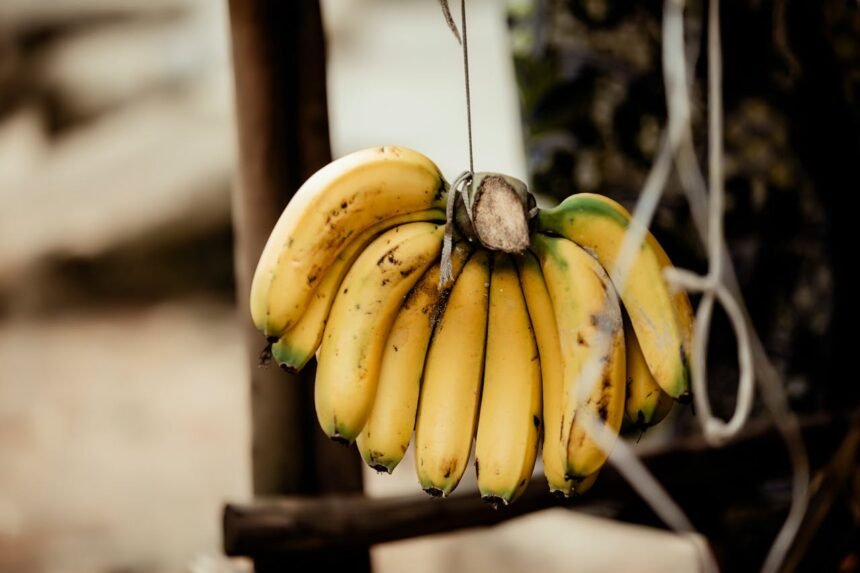
Most of us enjoy a banana as a quick, portable snack without giving it a second thought. They are naturally sweet, come in their own biodegradable packaging, and provide a burst of energy when you need it most.
However, the benefits of this yellow fruit extend far beyond simple convenience. Emerging research and long-standing nutritional science suggest that bananas play a pivotal role in maintaining a healthy cardiovascular system.
With heart and circulatory diseases causing more than a quarter of all deaths in the UK, looking after your heart has never been more vital. While no single food is a miracle cure, incorporating the right nutrients into your diet can significantly lower your risk factors.
But how exactly do bananas influence blood pressure and cholesterol? Are there risks for certain people? This article explains the science behind bananas and heart health.
Overview
Bananas are one of the most widely consumed fruits in the world, and for good reason. They are incredibly nutrient-dense, packing a variety of essential vitamins and minerals into a relatively low-calorie package.
Regarding heart health, the banana’s primary claim to fame is its high potassium content. Potassium is a mineral and electrolyte that carries a small electrical charge. This charge causes nerve cells to send signals for your heart to beat regularly and muscles to contract.
Furthermore, bananas are a significant source of dietary fibre and antioxidants, both of which are strongly linked to cardiovascular protection. A medium-sized banana (approx. 118 grams) typically contains:
- Potassium: 9% of the Reference Nutrient Intake (RNI)
- Vitamin B6: 33% of the RNI
- Vitamin C: 11% of the RNI
- Magnesium: 8% of the RNI
- Fibre: 3.1 grams
Despite their sweet taste, bananas have a low to medium Glycaemic Index (GI), meaning they should not cause major spikes in blood sugar levels in healthy individuals.
Understanding the nutritional profile is the first step in realising how this fruit supports your body’s most critical organ.
Symptoms and causes: The silent threat of hypertension
To understand why bananas are effective, we must look at the symptoms and causes of heart strain, specifically high blood pressure (hypertension).
Hypertension is often called the “silent killer” because it rarely presents visible symptoms until significant damage has occurred. It puts extra strain on your blood vessels, heart, and other organs, increasing the risk of life-threatening conditions.
The Sodium-Potassium imbalance
One of the leading causes of high blood pressure in the modern UK diet is an imbalance between sodium (salt) and potassium. Processed foods are often laden with salt, while fresh fruits and vegetables—primary sources of potassium—are frequently under-consumed.
When your sodium levels are too high, your body holds onto fluid to dilute the blood. This increases the volume of blood, driving up pressure against vessel walls.
This is where bananas come in. Potassium helps the body flush out excess sodium through urine. Furthermore, it helps to relax the walls of your blood vessels, which further lowers blood pressure.
According to the British Heart Foundation, eating more fruit and vegetables containing potassium is a key strategy for managing blood pressure naturally.
High cholesterol and arterial plaque
Another major cause of heart disease is the buildup of fatty substances in the arteries, known as atherosclerosis. This is often driven by high levels of LDL (low-density lipoprotein), or “bad” cholesterol.
Bananas are a good source of soluble fibre, specifically pectin. In the digestive system, soluble fibre dissolves in water to form a gel-like substance. This gel can bind to cholesterol and prevent its absorption into the bloodstream.
Research indicates that high-fibre diets are associated with a lower risk of both cardiovascular disease and coronary heart disease.
Diagnosis and treatment: Dietary interventions
Doctors diagnose heart risks through blood pressure readings and blood tests (lipid profiles). While medication is often necessary for severe cases, the first line of treatment is almost always lifestyle modification.
The DASH Diet approach
Health professionals frequently recommend the DASH (Dietary Approaches to Stop Hypertension) diet. This eating plan emphasises fruits, vegetables, and low-fat dairy foods.
Bananas are a staple in the DASH diet because they are easy to source and rich in the exact minerals needed to combat hypertension.
A study published in the European Heart Journal suggests that potassium-rich diets have the greatest health gains for women with high sodium intake, significantly reducing the risk of heart events.
Addressing antioxidant needs
Oxidative stress can damage blood vessels and lead to inflammation. Bananas contain potent antioxidants, including dopamine and catechins.
While the dopamine in bananas does not cross the blood-brain barrier to affect mood, it acts as a strong antioxidant in the bloodstream, helping to reduce damage from free radicals.
Tips for management
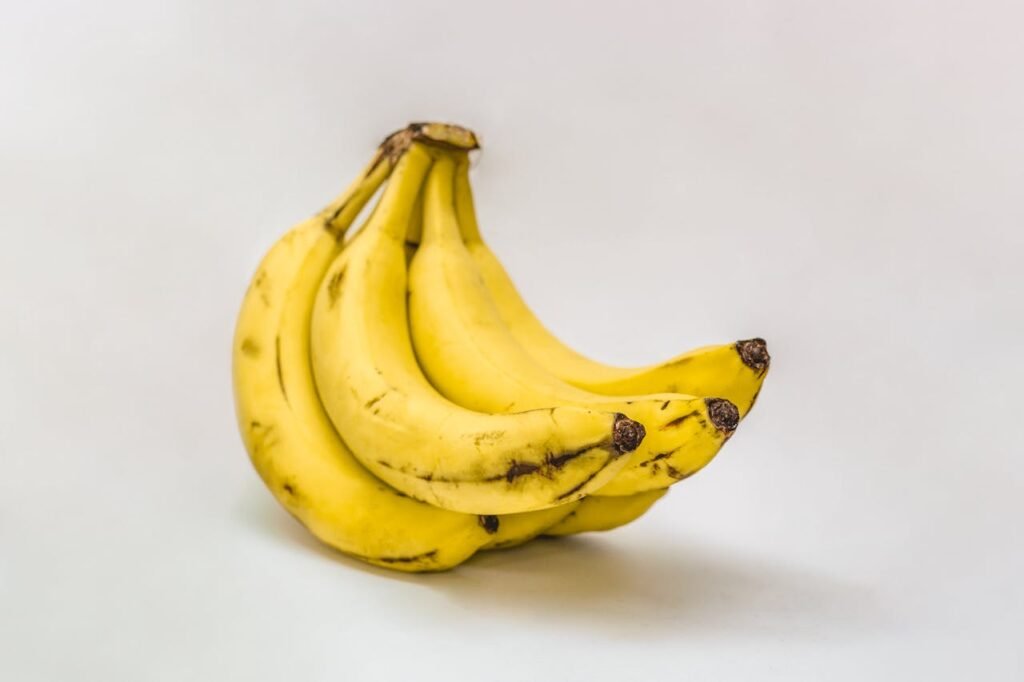
Incorporating bananas into a heart-healthy diet is simple, but how you eat them matters. Here are practical tips for management:
- Pair with fats or protein: To blunt the blood sugar response, eat a banana with a handful of nuts or a dollop of Greek yoghurt.
- Choose your ripeness: Green (unripe) bananas contain resistant starch, which acts like fibre and feeds healthy gut bacteria. Yellow bananas are sweeter and easier to digest.
- Watch the portion: While healthy, they are calorie-dense compared to berries. One medium banana a day is usually sufficient.
- Use as a sugar substitute: Mash ripe bananas into porridge or baking recipes to reduce the need for added refined sugars.
Nutritional Breakdown Table
The following table outlines the key heart-healthy nutrients found in a standard medium-sized banana:
| Nutrient | Amount (Medium Banana) | Benefit for Heart Health |
|---|---|---|
| Potassium | ~422 mg | Helps flush out sodium; relaxes blood vessel tension. |
| Fibre | ~3.1 g | Binds to cholesterol; improves blood sugar control. |
| Magnesium | ~32 mg | Supports muscle function and heart rhythm stability. |
| Vitamin C | ~10 mg | Reduces oxidative stress and inflammation. |
| Vitamin B6 | ~0.4 mg | Lowers homocysteine levels (a risk marker for heart disease). |
Potential risks and considerations
While bananas are beneficial for most, they are not suitable for everyone.
Kidney function and Hyperkalemia
If you have advanced kidney disease, your kidneys may struggle to remove excess potassium from the blood. This can lead to a dangerous condition called hyperkalemia.
According to Kidney Care UK, patients on dialysis or with late-stage CKD often need to limit high-potassium foods like bananas.
Medication interactions
Certain medications, such as ACE inhibitors and beta-blockers prescribed for heart disease, can raise potassium levels in the blood.
If you are taking these medications, you should consult your GP before dramatically increasing your banana intake. More detailed information on food-drug interactions can be found via the NHS website.
Frequently Asked Questions
Do bananas contain too much sugar for heart patients?
Bananas do contain natural sugars (fructose), but they come packaged with fibre and vitamins. Unlike processed sugary snacks, the fibre in bananas slows down digestion and absorption.
Organisations like Diabetes UK confirm that fruit sugars are metabolised differently than free sugars, making them safe for most people when eaten in moderation.
Can bananas prevent a stroke?
Evidence suggests they can help. The potassium in bananas reduces blood pressure, which is the single biggest risk factor for stroke.
A comprehensive review by the Stroke Association highlights the importance of diet in managing stroke risk. Regularly consuming potassium-rich foods is associated with a lower risk of stroke, particularly ischaemic stroke.
Are green bananas better for the heart than yellow ones?
Green bananas are higher in resistant starch. This functions similarly to soluble fibre, helping to improve insulin sensitivity and lower blood sugar levels.
However, yellow bananas are higher in antioxidants. Both offer benefits, so the choice depends on your taste preference and digestive tolerance. You can read more about the stages of banana ripeness on Healthline.
How many bananas should I eat per day?
For most healthy adults, one or two bananas a day is a moderate intake. Variety is key to a healthy diet, so it is best to rotate bananas with other fruits like berries, apples, and citrus.
Guidelines from Public Health England (The Eatwell Guide) recommend eating at least 5 portions of a variety of fruit and vegetables every day.
The bottom line
Bananas are a highly accessible, affordable, and versatile fruit that can significantly support heart health.
Their rich potassium content helps counteract the effects of sodium, relaxing blood vessels and lowering blood pressure. The fibre content assists in managing cholesterol levels, while antioxidants protect against cellular damage.
However, moderation is essential. Eating bananas as part of a balanced diet, such as the DASH diet or the Mediterranean diet, yields the best results.
If you have kidney issues or are taking medication for heart disease, it is crucial to speak with a healthcare professional before making major dietary changes.
By simply swapping a processed snack for a banana, you are taking a small but powerful step towards a healthier heart.
For further reading on nutrient density, resources like the Harvard T.H. Chan School of Public Health provide excellent deep dives into the science of food.
Additionally, general dietary advice can be verified through the US Department of Agriculture (USDA) database for precise nutrient tracking.