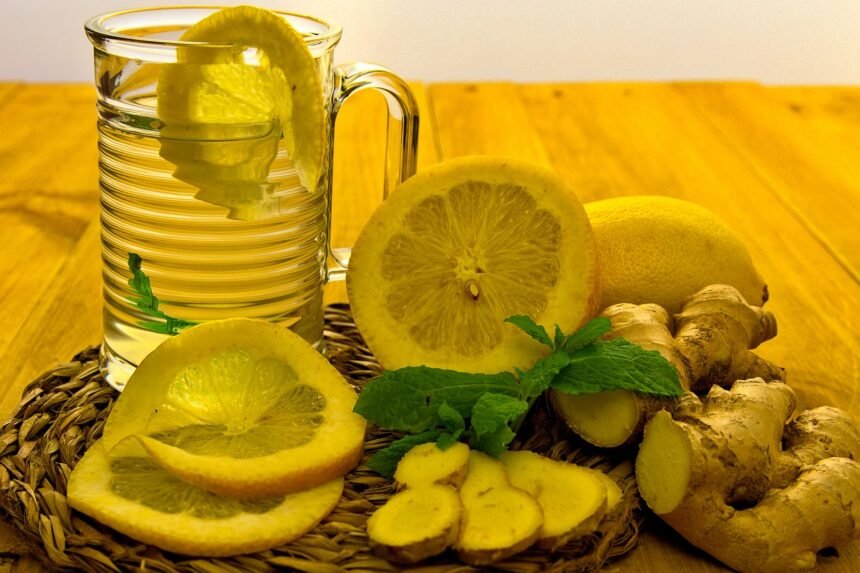
For thousands of years, practitioners of Ayurveda and Traditional Chinese Medicine have revered the rhizome of the Zingiber officinale plant. While it is a staple spice in culinary traditions globally, its application as a therapeutic beverage—specifically a ginger infusion—remains one of the most accessible and effective natural remedies available today. Unlike heavy smoothies or sugar-laden juices, a proper infusion extracts the volatile oils and phenolic compounds of the root without adding caloric density.
Whether you are seeking a digestive aid natural remedy or simply a warming morning wellness ritual, understanding the nuance of steeping this root is key. This article explores the science behind the benefits, the precise method for preparation, and how to integrate this caffeine-free herbal tisane into your daily life.
Understanding the Need: Why Drink Ginger Water?
Before diving into the preparation, it is vital to understand the physiological “why”. Many people turn to ginger water benefits to address specific symptoms rather than just for hydration. The primary active components in fresh ginger are gingerols, whereas dried ginger contains higher concentrations of shogaols. Both compounds boast potent antioxidant and anti-inflammatory properties.
Digestive Distress and Nausea
One of the most documented uses of ginger is for gastrointestinal relief. If you struggle with chronic indigestion (dyspepsia) or acute nausea, a warm infusion can settle the stomach lining. The phenolic compounds in ginger help relieve gastrointestinal irritation, stimulate saliva and bile production, and suppress gastric contractions as food and fluids move through the GI tract.
Research indicates that ginger is highly effective against nausea, including morning sickness and chemotherapy-induced nausea. For a deeper dive into teas specifically, you might read Soothing Your Stomach with Ginger Root Tea, which complements the infusion methods discussed here.
Inflammation and Pain
Systemic inflammation is a root cause of many chronic conditions. By incorporating anti-inflammatory drinks like a ginger infusion into your routine, you may help mitigate markers of inflammation in the body. This is particularly relevant for those with osteoarthritis or exercise-induced muscle pain.
While fresh ginger root preparation retains the most distinct flavour, the anti-inflammatory effects are potent regardless of the form. However, one must be careful to distinguish between culinary ginger and other varieties. For instance, Blue Ginger: Identification and Health Benefits explores a cousin of the common ginger that has its own unique properties.
Immune System Support
During the colder months, a ginger lemon honey water concoction is a standard cold and flu natural remedy. It is not merely a folk tale; the antimicrobial properties of ginger can help fight infections. For those looking for a more concentrated dose, you might ask, Are Ginger Shots Actually Good for Your Immunity?? While shots provide a burst, a slow-sipping infusion ensures sustained hydration.
Preparation: Mastering the Method
Creating the perfect infusion is an art that balances heat, time, and surface area. Many make the mistake of simply pouring hot water over a chunk of ginger, which results in a weak, flavourless drink. To maximise the ginger water benefits, follow this homemade ginger tea recipe and method.
Step 1: Selection and Cleaning
Start with firm, smooth rhizomes. Wrinkled skin indicates the ginger is old and has lost moisture and potency. Thoroughly wash the root. Peeling is optional; the skin contains nutrients, but if the root is not organic, peeling may reduce pesticide exposure. For a comprehensive guide on choosing your root, refer to Fresh Ginger: Selection, Storage, and Health Uses.
Step 2: Surface Area Manipulation
To release the essential oils, you must maximise surface area. You have two options:
- Grating: This provides the strongest flavour and cloudy water. Ideal for a soothing ginger elixir when you have a cold.
- Slicing: Thin coins create a clearer, milder infusion.
Step 3: The Infusion Process
Unlike tea leaves, which can become bitter if steeped too long, ginger is robust.
- Bring 500ml of fresh, filtered water to a rolling boil.
- Add approximately 2 tablespoons of grated ginger or 4-5 thin slices.
- Critical Step: Reduce the heat and let it simmer (decoction) for at least 10 minutes. If you are merely pouring boiled water over the ginger in a mug (infusion), cover the mug with a saucer to trap the steam and volatile oils.
The ginger steeping time is subjective, but 10 to 15 minutes is generally the sweet spot for maximum extraction of gingerols without becoming unpalatably spicy.
If you prefer cold beverages, you can make a large batch, let it cool, and store it in the fridge. For those who enjoy carbonated textures, learning How to Make Ginger Juice for Better Digestion can provide a base for homemade ginger ales.
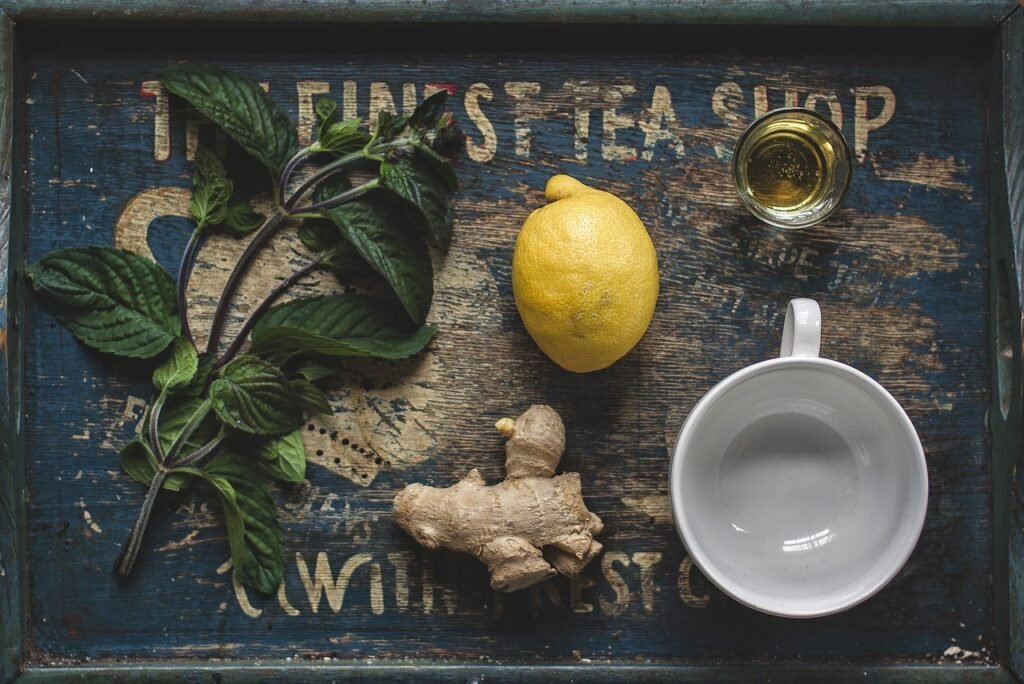
Tips for Enhancing Your Infusion
While plain ginger water is therapeutic, you can elevate the beverage with synergistic ingredients.
The Turmeric Boost
A turmeric ginger infusion is a powerhouse for combating inflammation. Curcumin (in turmeric) and gingerols work well together. Always add a pinch of black pepper to this mix, as it increases curcumin absorption by up to 2,000%.
Sweetening and Acid
If the spicy kick is too intense, balance it with acid and natural sweetener. Lemon adds vitamin C and aids liver function. Honey offers antimicrobial benefits. If you have a sweet tooth, you might also explore Ginger Syrup Recipes for Drinks and Desserts or even Candied Ginger: Sweet Treat or Health Remedy? for different ways to enjoy the flavour.
Concentrated Options
Sometimes, fresh ginger isn’t available. In these cases, high-quality extracts can be used, though the experience differs. You can read more about this in our guide on Understanding the Uses of Potent Ginger Extract.
Safety and Precautions
Despite being natural, ginger is bioactive. It is important to be aware of the side effects of too much ginger.
- Blood Thinning: Ginger contains salicylates, which act similarly to aspirin. If you are on blood thinners like warfarin, consult your GP before consuming large amounts of ginger infusion daily.
- Gastric Irritation: Paradoxically, while it settles the stomach, excessive consumption on an empty stomach can cause heartburn in some individuals.
- Pregnancy: While excellent for nausea, heavy medicinal doses should be discussed with a midwife or obstetrician.
- Plant Varieties: Ensure you are using Zingiber officinale. Some wild varieties have different safety profiles; see Wild Ginger: Safety and Culinary Applications for more details.
Additionally, ginger may interact with diabetes medication by lowering blood sugar levels. Monitoring is advised.
The Bottom Line
Incorporating a ginger infusion into your daily routine is a simple, cost-effective way to support your digestive and immune health. Whether you consume it as an immune system booster during flu season or a daily digestive aid natural tonic, the versatility of the root is unmatched.
The best time to drink ginger water is largely up to personal preference, though many find a warm cup first thing in the morning sets a positive tone for digestion throughout the day.
Remember that diet is multifaceted. While beverages are important, incorporating ginger into meals—perhaps using ideas from The Nutritional Benefits of Pickled Ginger—can provide a comprehensive approach to wellness.
If you find the infusion process tedious, keep exploring. Whether it is a soap for external use (The Skin Benefits of Using Natural Ginger Soap) or a scalp treatment (How a Ginger Scalp Mask Can Promote Hair Growth), the applications of this rhizome are nearly endless.
Start with a small cup, adjust the potency to your liking, and enjoy the warming, restorative power of nature’s most resilient root.