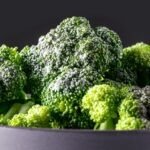
Finding vegetables that balance exceptional flavour with a robust nutritional profile can sometimes feel like a challenge. While we all understand the importance of consuming our greens, traditional brassicas can occasionally feel repetitive in a weekly meal plan.
Enter tenderstem broccoli, a vibrant and versatile vegetable that has surged in popularity across the UK over the last two decades. Often seen as the more sophisticated cousin of standard broccoli, this slender-stemmed brassica offers a unique texture and a sweeter, more delicate taste that appeals to both culinary enthusiasts and those simply looking to boost their vitamin intake.
Understanding what makes this vegetable distinct is key to getting the most out of your diet. From its high concentrations of vitamins A and C to its impressive fibre content, tenderstem is more than just a garnish; it is a nutritional powerhouse. Whether you are steaming it for a quick side dish or roasting it for a main event, incorporating this vegetable into your routine is an excellent way to contribute towards your daily nutritional goals, such as the NHS guide on 5 A Day.
This article provides a comprehensive guide to tenderstem broccoli, exploring its origins, nutritional benefits, and the best ways to prepare it for maximum flavour and health.
What Is Tenderstem Broccoli?
Tenderstem broccoli is a specific hybrid vegetable, created through the cross-pollination of Chinese kale (gai lan) and standard broccoli. It was first developed in Japan in 1993, where it is known as ‘stick broccoli’.
Unlike some modern crops, it is not genetically modified (GMO). Instead, it is the result of natural plant breeding techniques designed to combine the best traits of its parent plants. From the Chinese kale, it inherits long, slender, edible stems and a leafy texture. From the standard broccoli, it gains the familiar florets and a rich nutrient profile.
Flavour and Texture
The most distinct feature of tenderstem is that you can eat the entire vegetable, from the floret down to the base of the stem. There is no need to discard woody stalks or peel tough skin, which reduces food waste significantly.
In terms of flavour, it is notably sweeter and milder than traditional calabrese broccoli. It lacks the sometimes bitter, sulphurous edge that can discourage fussy eaters or children. The texture is crisp and snappy when raw, becoming tender yet retaining a pleasant bite when cooked correctly.
This versatility makes it a favourite in British kitchens, easily replacing asparagus or green beans in many recipes.
Nutritional Breakdown and Health Benefits
Tenderstem broccoli is nutrient-dense, meaning it provides a high amount of vitamins and minerals for relatively few calories. It is an excellent choice for those looking to improve their overall health markers.
Here is a closer look at the key nutrients found in this brassica:
1. High in Vitamin C
One of the standout features of tenderstem is its vitamin C content. A standard serving can provide a significant portion of your daily reference intake. Vitamin C is vital for protecting cells and keeping them healthy. It is also necessary for the maintenance of healthy skin, blood vessels, bones, and cartilage.
Furthermore, adequate intake of vitamin C supports the immune system, helping your body fend off common colds and infections, especially during the colder months.
2. Rich in Fibre
Dietary fibre is essential for a healthy digestive system. Tenderstem broccoli is a great source of both soluble and insoluble fibre. Increasing your intake of fibre can help prevent constipation and promote regular bowel movements.
Additionally, high-fibre diets are associated with a lower risk of heart disease, stroke, type 2 diabetes, and bowel cancer. By keeping you fuller for longer, fibre can also aid in weight management strategies.
3. Source of Folate
Folate, known as vitamin B9, is crucial for the body. It helps form healthy red blood cells and reduces the risk of central neural tube defects in unborn babies. This makes tenderstem an excellent dietary addition for pregnant women or those planning a pregnancy.
According to the NHS, adults need 200 micrograms of folate every day, and a serving of green vegetables is a primary way to meet this need naturally.
4. Contains Vitamin K
Tenderstem provides vitamin K, a nutrient required for blood clotting, which helps wounds to heal properly. There is also increasing evidence suggesting vitamin K is important for bone health.
5. Powerful Antioxidants
Like its cousin, standard broccoli, tenderstem is rich in compounds such as sulforaphane. Research highlighted by Healthline’s overview of broccoli suggests that these bioactive compounds may have protective effects against various chronic diseases.
Organisations like Cancer Research UK note that a diet high in plant foods, particularly cruciferous vegetables, can help reduce the risk of developing cancer.

How to Prepare and Cook Tenderstem Broccoli
Preparation is incredibly simple because the entire vegetable is edible. You simply need to give the stems a quick rinse under cold water. Following standard washing vegetables guidance from the Food Standards Agency ensures any surface debris is removed.
There is no need to trim the ends unless they have dried out slightly in the fridge. Here are the best methods to cook it to retain nutrients and flavour:
Steaming
Steaming is arguably the healthiest method. It preserves the water-soluble vitamins (like vitamin C and folate) that can be lost during boiling.
- Place the stems in a steamer basket over simmering water.
- Cover and steam for 3–4 minutes.
- The stems should be tender but still bright green with a slight crunch.
Roasting
Roasting intensifies the natural sweetness of the vegetable as the sugars caramelise.
- Preheat your oven to 200°C (180°C fan).
- Toss the stems in a little olive oil, salt, and pepper.
- Spread in a single layer on a baking tray.
- Roast for 10–12 minutes until the florets are slightly charred and crispy.
Stir-Frying
This method is quick and retains the texture well, making it ideal for Asian-inspired dishes.
- Heat a wok or frying pan with a high smoke-point oil.
- Add garlic, ginger, and chilli if desired.
- Toss the broccoli in for 4–5 minutes until vibrant and cooked through.
Comparison of Cooking Methods
The method you choose can impact the final nutritional value and taste profile. The table below outlines the differences.
| Method | Cooking Time | Texture Outcome | Nutrient Retention | Best For |
|---|---|---|---|---|
| Steaming | 3–4 mins | Crisp-tender, clean | Excellent (Retains water-soluble vitamins) | Salads, light sides |
| Boiling | 3–5 mins | Soft, tender | Moderate (Leaching of Vitamin C occurs) | Mash, soups |
| Roasting | 10–12 mins | Charred, nutty, sweet | Good (Minimal water contact) | Roast dinners, pasta |
| Stir-Frying | 4–5 mins | Crunchy, firm | Good (Short cooking time) | Noodles, Asian sides |
| Raw | 0 mins | Very crunchy, fresh | Excellent (100% retention) | Dips, crudités |
Incorporating Tenderstem into a Healthy Diet
This vegetable is highly adaptable. It pairs beautifully with lemon, garlic, chilli, and sesame. For those managing blood glucose, non-starchy vegetables like tenderstem are a perfect choice as they have a low glycaemic impact.
Furthermore, focusing on plant-based foods is a key recommendation from the British Heart Foundation to maintain heart health and manage cholesterol levels.
Frequently Asked Questions
Can you eat tenderstem broccoli raw?
Yes, absolutely. Because the stems are thinner and less fibrous than standard broccoli, they are delicious raw. They work well with hummus or yoghurt-based dips.
Is tenderstem broccoli genetically modified?
No. It is a natural hybrid of Chinese kale and standard broccoli, created using traditional plant-breeding methods, not genetic modification.
How should I store it?
Keep it in the fridge, ideally in the crisper drawer. It is best eaten within 2–3 days of purchase. Do not wash it before storing, as excess moisture can encourage spoilage.
Can I freeze it?
Yes, but you should blanch it first. Boil for 2 minutes, plunge into ice water to stop the cooking, dry thoroughly, and then freeze. This preserves the bright green colour and texture.
Is it better than regular broccoli?
“Better” is subjective. Tenderstem has more vitamin A and is often considered tastier due to its sweetness, but both are incredibly healthy cruciferous vegetables.
The Bottom Line
Tenderstem broccoli is a versatile, delicious, and highly nutritious addition to any diet. Its unique combination of Chinese kale and traditional broccoli traits results in a vegetable that is entirely edible, reducing waste and preparation time.
Rich in vitamin C, fibre, and folate, it supports immune function, digestive health, and general wellbeing. Its mild, sweet flavour makes it an excellent gateway vegetable for children or those who usually dislike brassicas.
Whether you choose to steam, roast, or eat it raw, adding tenderstem to your weekly rotation is a simple, effective step towards a healthier lifestyle.