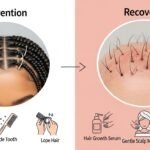
Hair loss is an incredibly common condition, yet it remains deeply personal and often distressing for those experiencing it. Whether you are noticing a widening parting, a receding hairline, or general thinning, the search for a solution can feel overwhelming.
From shampoos and supplements to pharmaceutical interventions, the market is saturated with promises of restoration. Amidst these options, laser hair therapy—also known as Low-Level Laser Therapy (LLLT)—has emerged as a popular, non-invasive treatment option.
But does shining a red light on your scalp actually stimulate growth, or is it merely a technological gimmick? Here, we delve into the science, efficacy, and practicality of using laser devices for hair restoration.
What Is Laser Hair Therapy?
Laser hair therapy refers to the use of low-level lasers or light-emitting diodes (LEDs) to stimulate hair follicles. Unlike the high-powered lasers used in surgery or hair removal which generate heat, LLLT uses ‘cold’ lasers. These do not burn the skin but emit a specific wavelength of red light (typically between 630 and 670 nanometres).
The premise is based on a process called photobiomodulation. Much like plants convert sunlight into energy through photosynthesis, the cells in your hair follicles can absorb this specific type of light to boost their energy production.
The Biological Mechanism
When the red light penetrates the scalp, it targets the mitochondria—the powerhouse of the cell. This interaction is believed to increase the production of adenosine triphosphate (ATP), a molecule that carries energy within cells. With more energy, hair follicles may shift from a dormant state back into an active growth phase.
Furthermore, this therapy may reduce inflammation and increase blood flow to the scalp, ensuring that follicles receive the oxygen and nutrients necessary for healthy growth. You can read more about the basics of hair loss treatments on Healthline.
Does It Actually Work? The Science
Scepticism is natural when discussing hair regrowth. However, LLLT is supported by a growing body of clinical research, particularly for treating androgenetic alopecia (pattern hair loss).
Evidence in Men
Male pattern baldness is the most common form of hair loss. Several studies have indicated that LLLT can stop the progression of hair loss and even increase hair density in men.
A review of trials published by the National Institutes of Health (NIH) found that men who used LLLT devices showed a statistically significant increase in hair density compared to those using sham devices. The participants treated with laser therapy reported thicker hair shafts and better overall coverage.
Evidence in Women
Women experiencing thinning hair—often characterised by diffuse thinning over the top of the scalp—may also benefit. Research suggests that LLLT is equally effective for female pattern hair loss.
According to findings highlighted by the American Academy of Dermatology, consistent use of these devices can improve hair counts in women, provided the hair loss is not in the advanced stages where follicles are completely dead.
Who Is the Ideal Candidate?
Not everyone will respond to laser hair therapy. It is most effective for individuals in the early to moderate stages of hair loss.
Doctors often use the Norwood Scale (for men) and the Ludwig Scale (for women) to determine suitability. If you are completely bald, LLLT is unlikely to work because the hair follicles have likely ceased to function entirely. It is best suited for:
- Men with receding hairlines or thinning at the crown.
- Women with general thinning or widening partings.
- Individuals looking for an alternative to medication.
- Post-transplant patients looking to speed up healing and growth.
Types of Devices Available
There are several ways to administer this therapy, ranging from clinical settings to at-home gadgets.
1. In-Office Clinical Units
These are large, hood-like machines found in dermatology or trichology clinics. They typically offer higher power and broader coverage than home devices. However, they require frequent visits to a clinic, which can be time-consuming and costly.
2. Laser Combs and Brushes
These were among the first home devices to gain FDA clearance. They require you to manually comb the device through your hair for 10–20 minutes, several times a week. While effective, the manual effort required can lead to user fatigue and inconsistency.
3. Laser Caps and Helmets
These hands-free devices fit over the head like a baseball cap or helmet. They contain hundreds of laser diodes and offer ease of use. You simply wear the device for the prescribed time (usually 20–30 minutes) while reading or watching TV. Because they are easier to use, adherence to the treatment plan is often higher.

Safety and Side Effects
One of the primary advantages of laser hair therapy is its safety profile. Because it is non-invasive and non-chemical, systemic side effects are virtually non-existent. It does not interact with medications, making it safe to use alongside other treatments.
However, some minor issues have been reported:
- Scalp Irritation: Some users report mild itching or tingling during use.
- Shedding: A temporary increase in shedding may occur in the first few weeks. This is actually a positive sign, indicating that follicles are cycling into the growth phase (anagen) and pushing out old, weak hairs.
- Eye Safety: You should never look directly into the laser diodes. While widely considered safe, protecting your vision is paramount.
For a deeper understanding of safety standards in hair restoration, resources from the International Society of Hair Restoration Surgery are invaluable.
Comparing Treatments: LLLT vs. Others
To help you decide if this is the right route, here is a comparison of LLLT against other common interventions.
| Feature | Laser Hair Therapy (LLLT) | Minoxidil (Topical) | Finasteride (Oral) | Hair Transplant |
|---|---|---|---|---|
| Invasiveness | Non-invasive | Non-invasive | Minimally invasive | Surgical |
| Mechanism | Light stimulation | Vasodilation | Hormonal blocker (DHT) | Relocation of follicles |
| Time to Results | 4–6 months | 3–6 months | 3–6 months | 12 months |
| Side Effects | Rare/Mild | Scalp irritation, unwanted hair growth | Sexual dysfunction (rare), mood changes | Scarring, infection risk |
| Cost | One-time purchase (£400–£2000) | Ongoing monthly cost | Ongoing monthly cost | High one-off cost |
Practical Tips for Success
If you decide to invest in a laser device, maximising your results requires a strategic approach. Here are practical tips to ensure you get the most out of the therapy.
1. Consistency Is King
Hair growth is a slow physiological process. You cannot speed it up by using the device more often than recommended; in fact, overstimulation can sometimes have the opposite effect. Stick rigidly to the manufacturer’s schedule—usually 3 to 4 times a week.
2. Start Early
The sooner you address hair loss, the better. LLLT is far better at preserving and thickening existing hair than it is at reviving a completely bald scalp. If you notice thinning, consult a professional immediately. The Mayo Clinic offers excellent guidance on identifying early symptoms.
3. Ensure a Clean Scalp
Oil, dandruff, and styling products can block the light from reaching the follicles. It is best to use your laser device on a clean, dry scalp. If you use minoxidil, apply it after your laser session, unless directed otherwise by your doctor.
4. Combine Therapies
Many dermatologists recommend a multi-modal approach. Using LLLT in conjunction with minoxidil or finasteride can produce synergistic effects. The laser improves the scalp environment, potentially aiding the absorption and efficacy of topical treatments.
5. Manage Expectations
Do not expect an overnight miracle.
- Months 1–3: You may notice increased shedding or no visible change. Do not stop.
- Months 3–6: Shedding should decrease, and you may notice tiny new hairs or a decrease in the amount of hair in your shower drain.
- Months 6–12: Visible improvements in thickness and coverage usually appear during this window.
Lifestyle Factors and Hair Health
While laser hair therapy addresses the physical stimulation of the follicle, your body needs the right building blocks to produce hair. Neglecting your general health can undermine the effectiveness of the treatment.
Nutrition
Your hair cells are some of the fastest-dividing cells in the body, requiring significant energy and nutrients. Deficiencies in iron, Vitamin D, and B vitamins can lead to shedding. A balanced diet rich in protein and healthy fats is essential. For detailed nutritional advice regarding hair, Harvard Health provides evidence-based recommendations.
Stress Management
High stress levels raise cortisol, which can disrupt the hair growth cycle, pushing follicles into the resting phase prematurely (telogen effluvium). Incorporating mindfulness or exercise can support your hair restoration journey. The NHS provides a comprehensive overview of how stress and lifestyle impact hair loss.
The Bottom Line
Is laser hair therapy effective for thinning hair? The short answer is: Yes, for the right person.
It is not a cure for baldness, and it will not work for everyone. However, for men and women in the early-to-mid stages of genetic hair loss, LLLT represents a safe, FDA-cleared, and scientifically backed option to halt thinning and stimulate regrowth.
Success depends heavily on consistency and patience. If you are averse to taking daily pills or applying messy foams, a high-quality laser cap or comb could be a worthy investment.
As always, before starting any new treatment, it is wise to consult with a dermatologist or trichologist. They can assess the specific cause of your hair loss—be it hormonal, nutritional, or stress-related—and guide you toward the most effective treatment plan. For further reading on skin and hair conditions, WebMD and Dermatology Times offer extensive libraries of medically reviewed articles.
Remember, your hair health is a long-term commitment, not a sprint. By combining technology with healthy lifestyle choices, you give your hair the best fighting chance.