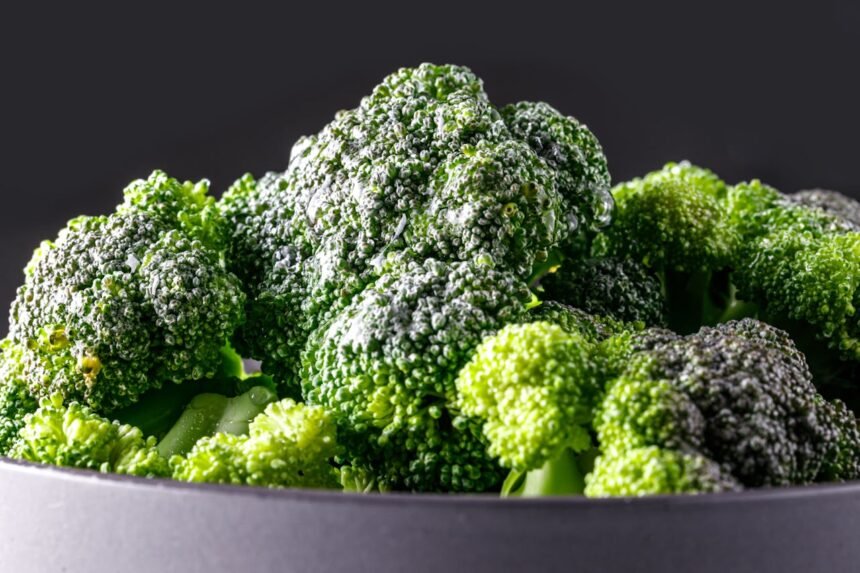
Whether it was the “tiny trees” you were encouraged to eat as a child or the staple green in your adult meal prep, broccoli has a long-standing reputation as a nutritional powerhouse. But beyond the hearsay, what does the science actually say? Is Broccoli Good for You? A Complete Nutritional Guide aims to unpack the dense nutrient profile of this green giant and explain why it deserves a permanent spot on your plate.
Broccoli is part of the Brassicaceae family, often referred to as cruciferous vegetables benefits-rich plants. This family also includes kale, cauliflower, and Brussels sprouts. Known for its distinct flavour and versatile texture, broccoli is more than just a side dish; it is a complex source of vitamins, minerals, and bioactive compounds that support everything from heart health to digestion.
The Nutritional Breakdown of Broccoli
To understand the impact of broccoli on your health, we must first look at what is inside. It is one of the most low-calorie nutrient-dense foods available, meaning you get a high volume of vitamins for very few calories. This makes it an excellent choice for weight management and overall vitality.
The following table outlines the nutritional content of 100 grams of raw broccoli:
| Nutrient | Amount (per 100g) | % Daily Value (DV) |
|---|---|---|
| Calories | 34 kcal | 2% |
| Vitamin C | 89 mg | 99% |
| Vitamin K | 101 mcg | 84% |
| Fibre | 2.6 g | 10% |
| Folate | 63 mcg | 16% |

Top 5 Health Benefits of Broccoli
Broccoli doesn’t just provide basic sustenance; it offers targeted health support. From protecting your cells to strengthening your bones, here is why this vegetable is a must-have.
1. High in Potent Antioxidants
Broccoli is packed with antioxidant-rich veggies compounds that neutralise cell-damaging free radicals. One of the most significant is glucoraphanin, which the body converts into sulforaphane during digestion. According to research published in Nature, sulforaphane may help reduce oxidative stress and protect against chronic diseases.
2. Supports Bone Health
The high concentration of vitamin K in broccoli is essential for bone metabolism. Vitamin K helps the body absorb calcium and supports bone density, reducing the risk of fractures. Combined with its modest calcium content, broccoli is a plant-based ally for skeletal strength.
3. Promotes Heart Health
The British Heart Foundation suggests that a diet rich in vegetables can significantly lower the risk of cardiovascular issues. Broccoli contains soluble fibre, which helps bind to cholesterol in the digestive tract, facilitating its excretion and lowering overall levels in the blood.
4. Enhances Digestive Function
As one of the premier high-fibre green vegetables, broccoli supports a healthy gut microbiome. Fibre adds bulk to the stool and promotes regular bowel movements, preventing constipation. Furthermore, the Mayo Clinic highlights that high-fibre diets are linked to a reduced risk of colorectal cancers.
5. Boosts the Immune System
Most people think of citrus fruits for Vitamin C, but broccoli is an incredible source. A single cup of cooked broccoli provides as much Vitamin C as an orange. This nutrient is vital for the production of white blood cells and maintaining the integrity of the skin barrier.
Sulforaphane: The Secret Weapon
Perhaps the most exciting aspect of broccoli is its sulforaphane health properties. Sulforaphane is a sulphur-rich compound found in cruciferous vegetables that has been studied extensively for its potential anti-cancer effects. Research from Harvard Health indicates that these compounds may inhibit enzymes that participate in the growth of tumour cells, though more human clinical trials are ongoing.
Raw vs Cooked Broccoli: Which is Better?
When considering raw vs cooked broccoli, the “best” method depends on which nutrients you want to prioritise. The way you prepare your vegetables significantly impacts their chemical composition.
- Raw: Keeps the enzyme myrosinase intact, which is necessary for the body to create sulforaphane. It also preserves water-soluble vitamins like Vitamin C.
- Steamed: Generally considered the “gold standard” for cooking. It softens the fibre while retaining most of the nutrients.
- Boiled: Can lead to a significant loss of nutrients (up to 50%) as they leach into the cooking water.
- Roasted: Adds incredible flavour but may reduce Vitamin C levels due to high heat.
To get the best of both worlds, try incorporating a mix of raw florets in salads and lightly steamed broccoli as a side dish.
Are There Any Side Effects?
While broccoli is safe for the vast majority of people, there are a few considerations to keep in mind:
- Gas and Bloating: Because it is high in fibre and complex sugars (raffinose), it can cause flatulence in some individuals.
- Blood Thinners: Because of the high vitamin K in broccoli, individuals on blood-thinning medication (like Warfarin) should maintain a consistent intake to avoid interfering with the medication’s effectiveness. Consult the NHS or your GP if you have concerns.
- Thyroid Health: In very large quantities, raw cruciferous vegetables contain goitrogens, which can interfere with iodine uptake. This is rarely an issue for those with a balanced diet.
Frequently Asked Questions (FAQs)
Is broccoli better for you raw or cooked?
Both have benefits. Raw broccoli preserves heat-sensitive vitamins and the enzyme needed to produce sulforaphane. However, cooked broccoli is often easier to digest and can make certain antioxidants more bioavailable. Steaming is the best middle ground.
Can I eat broccoli every day?
Yes, eating broccoli daily is generally very healthy. It provides essential fibre and micronutrients. However, it is always best to vary your vegetable intake to ensure you get a broad spectrum of different phytonutrients.
Does broccoli help with weight loss?
Absolutely. Broccoli is very low in calories but high in fibre and water. This helps you feel full for longer periods, reducing the likelihood of overeating and making it a staple for weight management.
The Bottom Line
So, Is Broccoli Good for You? A Complete Nutritional Guide confirms that this vegetable truly earns its “superfood” label. With its unique blend of fibre, vitamins, and disease-fighting compounds like sulforaphane, broccoli offers a massive return on your dietary investment. Whether you enjoy it raw, steamed, or stir-fried, adding more of this green vegetable to your diet is one of the simplest ways to improve your long-term health.