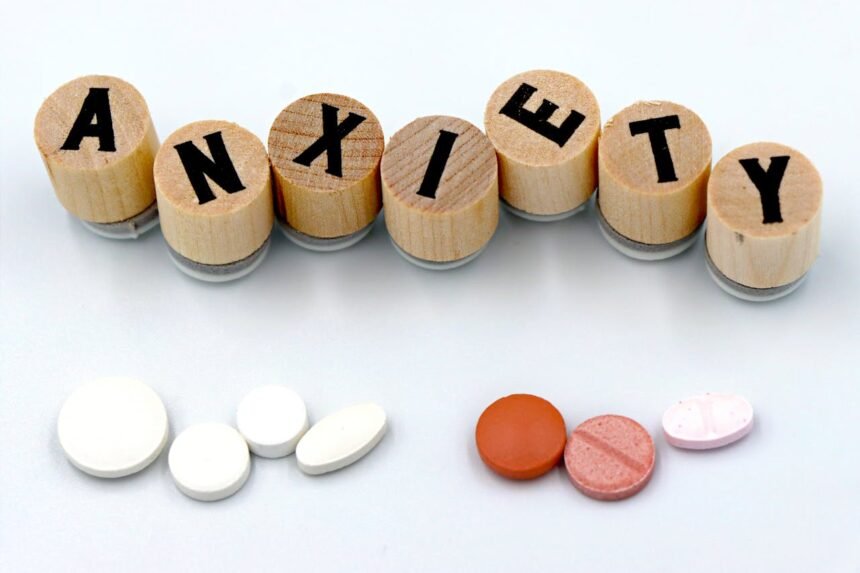
Living with a racing mind can feel like a full-time job. Whether it is a looming deadline or a general sense of unease, learning effective anxiety management is crucial for maintaining your mental well-being. While a certain amount of stress is a natural part of the human experience, chronic worry can become overwhelming, impacting your physical health and daily productivity.
In the UK, millions of people experience generalised anxiety disorder (GAD) or occasional panic attacks. The good news is that anxiety is highly treatable. By combining lifestyle changes, psychological strategies, and a consistent self-care routine, you can regain control of your life. This guide explores evidence-based strategies to help you navigate the complexities of your nervous system and find lasting peace.
Understanding the Physiological Root of Anxiety
When we feel anxious, our body’s “fight or flight” response kicks in. This process releases a surge of hormones, significantly increasing cortisol levels and adrenaline. While this was helpful for our ancestors fleeing predators, in the modern world, it often triggers physical symptoms of anxiety like a racing heart, shallow breathing, and muscle tension.
To effectively master anxiety management, it is helpful to compare different approaches. Some techniques offer immediate stress relief, while others build long-term emotional resilience.
| Technique | Primary Benefit | Best Used For |
|---|---|---|
| Breathing Exercises | Immediate physiological calm | Sudden onset of panic or tension |
| Cognitive Behavioural Therapy | Rewiring thought patterns | Chronic worry and social anxiety |
| Regular Exercise | Hormonal balance | Long-term mood stabilisation |
| Mindfulness Meditation | Presence and grounding | Preventing recursive overthinking |
Immediate Strategies for Stress Relief
When you feel a wave of panic rising, you need coping mechanisms that work fast. These methods focus on deactivating the sympathetic nervous system and signalling to your brain that you are safe.
1. Master Your Breath
Utilising specific breathing exercises is one of the fastest ways to lower your heart rate. Try the “box breathing” method: inhale for four seconds, hold for four, exhale for four, and hold again for four. This simple act can stabilise your physiological response during high-stress moments. Explore more breathing techniques to find what works best for your body.
2. The 5-4-3-2-1 Grounding Technique
If your mind is spiralling, grounding helps pull you back into the present moment. Identify 5 things you can see, 4 you can touch, 3 you can hear, 2 you can smell, and 1 you can taste. This technique is particularly effective for managing social anxiety in crowded environments. You can learn more about wellness tips to stay present during the day.
Building Long-Term Emotional Resilience
Sustainable anxiety management requires more than just “quick fixes.” It involves restructuring how you interact with your thoughts and how you treat your body. A solid mental health foundation is essential for long-term success.
3. Utilise Cognitive Behavioural Therapy (CBT)
Cognitive behavioural therapy is widely considered the gold standard for treating anxiety disorders. It involves identifying irrational thought patterns and replacing them with more balanced perspectives. Many people find success by working with a therapist to develop healthier cognitive habits. For a deeper look, check out our CBT overview.
4. Prioritise Sleep Hygiene
Lack of sleep is a major trigger for anxiety. Establishing a strict sleep hygiene routine—such as avoiding screens an hour before bed and keeping your room cool—can drastically reduce morning jitters. Quality rest allows your brain to process emotions effectively. Review our guide on how to sleep better tonight.
5. The Power of Mindfulness Meditation
Regular mindfulness meditation has been shown in clinical studies to shrink the amygdala, the brain’s “fear centre.” By practicing non-judgmental awareness, you learn to observe your thoughts without being swept away by them. Consider starting a morning routine that includes five minutes of silence.
Lifestyle Adjustments for a Calmer Life
Your environment and physical habits play a massive role in your anxiety management journey. Small shifts in your daily choices can yield significant results for your mental well-being.
- Limit Caffeine and Alcohol: Both substances can interfere with your sleep and mimic the heart palpitations associated with anxiety. Try nutritional adjustments for better mood stability.
- Engage in Regular Movement: Exercise releases endorphins, which act as natural painkillers and mood elevators. Learn about the diverse exercise benefits for the mind.
- Journal Your Thoughts: Writing down your worries can move them from your head onto paper, making them feel more manageable. Try journaling for peace as a daily practice.
- Digital Detox: Constant notifications can keep your nervous system on high alert. Consider a digital detox to lower sensory input.
6. Seek Social Support
Humans are social creatures. Sharing your feelings with a trusted friend or a support group can reduce the stigma of anxiety. Research from Harvard Health suggests that strong social ties are a key predictor of longevity and mental health. Discover the importance of social support systems.
When to Consult a Professional
While self-help strategies are powerful, they are sometimes not enough. If anxiety prevents you from working, sleeping, or maintaining relationships, it may be time to speak with a healthcare professional. Professionals at Mayo Clinic suggest that early intervention often leads to better outcomes.
Doctors may recommend a combination of therapy, lifestyle changes, and sometimes medication. Understanding the therapy benefits available to you is a great first step. You might also explore supplements for calm, but always consult a GP first.
Remember, seeking help is a sign of strength, not weakness. Organisations like Mind UK provide excellent resources for those feeling overwhelmed. Balancing your work-life balance can also alleviate significant pressure.
- Recognise the signs: Identify when worry becomes excessive.
- Consult your GP: Discuss your symptoms openly.
- Explore options: Consider stress guide resources or professional counselling.
Frequently Asked Questions (FAQs)
What is the most effective form of anxiety management?
While “the best” method varies by individual, cognitive behavioural therapy (CBT) combined with regular exercise and mindfulness meditation is often cited as the most effective long-term approach for most people.
Can diet affect my anxiety levels?
Yes, significantly. High sugar intake can lead to energy crashes that trigger anxiety, while omega-3 fatty acids and magnesium-rich foods are linked to lower cortisol levels. Maintaining a balanced diet is a key part of any self-care routine.
Is anxiety management a lifelong process?
For many, managing anxiety is about building a toolkit of skills that you use throughout your life. While the intensity of anxiety often diminishes with the right coping mechanisms, staying mindful of your mental well-being is a permanent and positive lifestyle choice.
How do I stop a panic attack in its tracks?
The most effective way is to focus on your breathing exercises. By lengthening your exhale, you stimulate the vagus nerve, which tells your nervous system to calm down. Grounding yourself in your physical surroundings is also highly effective.
For more information on improving your life, visit the World Health Organization or the Bupa Health Hub. You can also read more about emotional resilience at Psychology Today or the ScienceDirect archives. Local support is also available via the Priory Group and the NIMH.