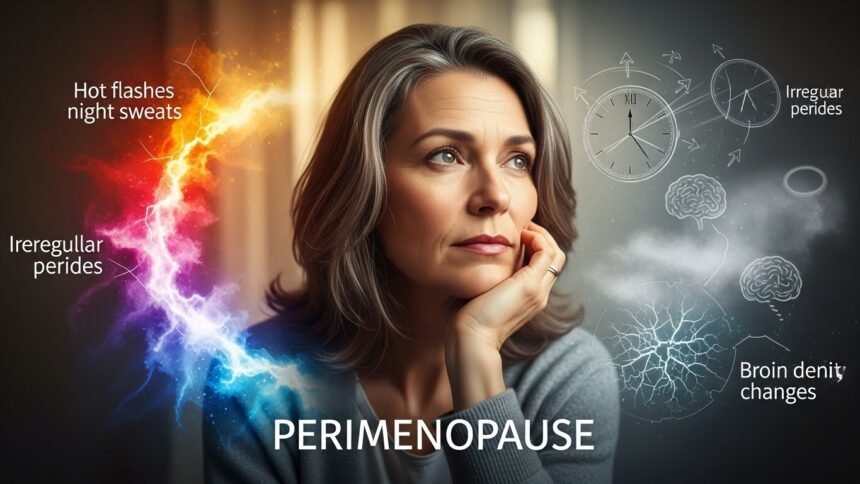
Perimenopause is a natural transition that every menstruating person will eventually navigate. It is the period leading up to menopause, marking the end of your reproductive years. While this is a universal experience, the intensity and duration of perimenopause symptoms can vary significantly from person to person.
For some, the changes are subtle. For others, the hormonal fluctuations can disrupt daily life, affecting sleep, mood, and physical well-being. Understanding what is happening to your body is the first step toward managing this transition effectively.
This article explores the signs, causes, and treatments for perimenopause, offering practical advice to help you feel your best during this phase of life.
Overview: What Is Perimenopause?
Perimenopause, often called the ‘menopause transition’, is the time when your ovaries gradually begin to make less oestrogen. It usually starts in a woman’s 40s, but can start in her 30s or even earlier.
Perimenopause lasts up until menopause, the point when the ovaries stop releasing eggs. You are officially in menopause when you have not had a menstrual period for 12 consecutive months. The average length of perimenopause is about 4 years, but for some, this stage may last only a few months or continue for 10 years. During this time, your fertility declines, but you can still become pregnant.
According to the NHS, symptoms can begin months or even years before your periods actually stop. Recognising these signs early can help you seek the right support.
The Stages of Reproductive Ageing
To better understand where perimenopause fits, it helps to look at the reproductive timeline:
| Stage | Description | Typical Age Range |
|---|---|---|
| Reproductive Years | Regular cycles; peak fertility. | Puberty to late 30s |
| Perimenopause | Cycles become irregular; oestrogen fluctuates. | 40s to early 50s |
| Menopause | No period for 12 months. | Average age 51 (UK) |
| Postmenopause | The years following menopause. | 50s onwards |

Common Perimenopause Symptoms
The symptoms of perimenopause are primarily driven by the fluctuating levels of oestrogen and progesterone in the body. Unlike the steady cycle of your reproductive years, hormone levels during perimenopause can rise and fall unevenly.
These fluctuations lead to a wide range of physical and emotional changes. Here are the most common symptoms reported during this transition.
1. Irregular Periods
As ovulation becomes more unpredictable, the length of time between periods may become longer or shorter, your flow may be light to heavy, and you may skip some periods. If you have a persistent change of 7 days or more in the length of your menstrual cycle, you may be in early perimenopause. If you have a space of 60 days or more between periods, you’re likely in late perimenopause.
2. Hot Flushes and Night Sweats
Hot flushes (also known as hot flashes) are a sudden feeling of heat in the upper part or all of your body. Your face and neck may become flushed. Red blotches may appear on your chest, back, and arms. Heavy sweating and cold shivering can follow.
Night sweats are hot flushes that happen during sleep. According to the British Menopause Society, these vasomotor symptoms affect approximately 75% of women and can severely disrupt sleep quality.
3. Mood Changes
Mood swings, irritability, and increased risk of depression can happen during perimenopause. The cause of these symptoms may be sleep disruption associated with hot flushes. Mood changes may also be caused by factors not related to the hormonal changes of perimenopause, but the unpredictable nature of the transition often exacerbates anxiety.
4. Vaginal and Bladder Problems
When oestrogen levels diminish, your vaginal tissues may lose lubrication and elasticity, making intercourse painful. Low oestrogen may also leave you more vulnerable to urinary or vaginal infections. Loss of tissue tone may contribute to urinary incontinence.
5. Decreasing Fertility
As ovulation becomes irregular, your ability to conceive decreases. However, as long as you are having periods, pregnancy is still possible. If you wish to avoid pregnancy, use birth control until you have had no periods for 12 months.
6. Changes in Sexual Function
During perimenopause, sexual arousal and desire may change. If you had satisfactory sexual intimacy before menopause, this will likely continue through perimenopause and beyond, though you may require additional lubrication.
7. Bone Loss
With declining oestrogen levels, you start to lose bone more quickly than you replace it, increasing your risk of osteoporosis — a disease that causes fragile bones. The National Institute on Aging highlights that focusing on bone density during this window is critical for long-term health.
8. Changing Cholesterol Levels
Declining oestrogen levels may lead to unfavourable changes in your blood cholesterol levels, including an increase in low-density lipoprotein (LDL) cholesterol — the ‘bad’ cholesterol — which contributes to an increased risk of heart disease.
Causes and Risk Factors
Perimenopause is a normal phase of life. However, it may occur earlier in some women than in others. Although the timing is largely determined by genetics, certain factors can accelerate the process.
Natural Hormonal Shifts
The primary cause is the physiological decline in reproductive hormones. Your ovaries begin to run out of eggs, and the production of oestrogen and progesterone becomes erratic. This is not a disease, but a biological inevitability.
Hysterectomy
A hysterectomy that removes your uterus but not your ovaries usually doesn’t cause immediate menopause. Although you no longer have periods, your ovaries still release eggs and produce oestrogen. But such surgery might cause menopause to start earlier than average. Also, a hysterectomy that removes both ovaries (total hysterectomy with bilateral oophorectomy) causes immediate menopause.
Chemotherapy and Radiation
These cancer therapies can induce menopause, causing symptoms such as hot flushes during or shortly after the course of treatment. The halt to menstruation (and fertility) is not always permanent following chemotherapy, so birth control measures may still be desired.
Smoking
Women who smoke are likely to experience menopause 1 to 2 years earlier than women who do not smoke. Mayo Clinic research suggests that smoking alters how the body metabolises oestrogen.
Diagnosis: How Do I Know?
Perimenopause is a process — a gradual transition. No single test or sign is enough to determine if you’ve entered perimenopause. Your doctor takes many things into consideration, including your age, menstrual history, and what symptoms or body changes you are experiencing.
Some doctors may order blood tests to check your hormone levels. However, because hormone levels change during the menstrual cycle, these tests are not always helpful. Tests might check for:
- Follicle-stimulating hormone (FSH): FSH levels increase as oestrogen decreases.
- Oestrogen (Estradiol): Levels decrease as ovaries fail.
- Thyroid function: An underactive thyroid (hypothyroidism) can cause symptoms similar to perimenopause.
For more detailed information on testing, resources like Healthline provide comprehensive guides on what to expect during a GP visit.
Treatment and Management
Managing perimenopause symptoms often requires a multifaceted approach. What works for one person may not work for another. Treatments range from hormone therapy to lifestyle adjustments.
Hormone Replacement Therapy (HRT)
Systemic oestrogen therapy involves taking oestrogen in the form of a pill, skin patch, spray, gel, or cream. It remains the most effective treatment option for relieving perimenopausal hot flushes and night sweats. Depending on your medical history, your doctor may recommend oestrogen in the lowest dose needed to provide symptom relief.
If you still have your uterus, you will need progestogen in addition to oestrogen to prevent the lining of the uterus from thickening (which can lead to uterine cancer). The Royal College of Obstetricians and Gynaecologists provides extensive guidelines on the safety and efficacy of HRT in the UK.
Vaginal Oestrogen
To relieve vaginal dryness, oestrogen can be administered directly to the vagina using a vaginal tablet, ring, or cream. This treatment releases just a small amount of oestrogen, which is absorbed by the vaginal tissue. It can help with vaginal dryness, discomfort with intercourse, and some urinary symptoms.
Antidepressants
Certain antidepressants related to the class of drugs called selective serotonin reuptake inhibitors (SSRIs) may decrease menopausal hot flushes. An antidepressant for management of hot flushes may be useful for women who cannot take oestrogen for health reasons or for women who need an antidepressant for a mood disorder.
Cognitive Behavioural Therapy (CBT)
CBT is a talking therapy that can help with low mood and anxiety. It has also been shown to help women manage the impact of hot flushes and night sweats. The Menopause Charity notes that CBT is an effective non-hormonal option for managing the psychological impact of perimenopause.
Practical Tips for Self-Care
Lifestyle choices can help ease some symptoms of perimenopause and promote good health as you age. Here are actionable tips to incorporate into your daily routine.
Nutrition and Diet
- Calcium and Vitamin D: Eat foods rich in calcium and vitamin D to support bone health. Good sources include dairy products, leafy greens (like kale and spinach), and calcium-fortified foods.
- Heart-Healthy Fats: Include omega-3 fatty acids found in fish (salmon, mackerel) to support heart health and potentially stabilise mood.
- Limit Triggers: Reduce intake of alcohol and caffeine, as these can trigger hot flushes and disrupt sleep.
For more dietary advice, the Cleveland Clinic suggests a Mediterranean-style diet is often beneficial during this transition.
Exercise Regularly
Regular physical activity helps prevent weight gain, improves sleep, and strengthens bones. Aim for a mix of:
- Aerobic activity: Walking, swimming, or cycling for heart health.
- Strength training: Lifting weights or using resistance bands to combat bone density loss.
- Flexibility: Yoga or Pilates to help reduce stress and improve balance.
Prioritise Sleep
Sleep hygiene is crucial. Try to maintain a consistent sleep schedule. Keep your bedroom cool, dark, and quiet. If night sweats are an issue, layer your bedding so you can adjust it during the night, and wear light, breathable cotton nightwear. Johns Hopkins Medicine emphasises that sleep deprivation can worsen other symptoms like irritability and brain fog.
Manage Stress
Practise stress-reduction techniques such as deep breathing, paced respiration, guided imagery, and massage. Mindfulness and meditation can also help you cope with the emotional fluctuations of perimenopause. The Office on Women’s Health offers resources on how stress management impacts hormonal health.
The Bottom Line
Perimenopause is a significant life transition, but it does not have to be a time of suffering. While the symptoms can be challenging, they are temporary and manageable.
It is essential to view this time as an opportunity to reassess your health habits. By staying active, eating a nutrient-rich diet, and seeking medical advice when perimenopause symptoms become overwhelming, you can navigate this phase with confidence.
If you are struggling with physical or mental changes, do not hesitate to speak to your GP. Whether through HRT, lifestyle changes, or therapy, there are numerous tools available to support you. You are not alone in this journey, and help is available.