Starting your day with a brisk walk is one of the most accessible and effective ways to improve your health. However, the success of this routine often hinges on a factor many overlook: your morning walking outfit.
While it is easy to assume that any old t-shirt and trainers will suffice, the clothing you choose plays a pivotal role in thermoregulation, injury prevention, and overall motivation. Wearing the wrong gear can lead to discomfort, blisters, or overheating, which may eventually discourage you from maintaining your habit.
To truly reap the rewards of 10 Science-Backed Morning Walk Benefits for Your Physical and Mental Wellbeing, you must treat your walking gear as essential equipment rather than a fashion statement. This guide will walk you through the science of selecting the optimal attire for your morning stride.
The Physiology of Clothing and Performance
When you walk, your metabolic rate increases, generating heat. Your body regulates this temperature primarily through sweating. If your clothing traps sweat against your skin, you risk becoming clammy and cold as soon as you stop moving, or overheating if the moisture cannot evaporate.
For those engaging in vigorous activity, such as Why Morning Cardio via Brisk Walking is the Ideal Way to Kickstart Your Metabolism, effective moisture management is critical. This is why experts universally recommend avoiding cotton, which absorbs moisture like a sponge.
Instead, you should prioritise moisture-wicking synthetic fabrics like polyester or nylon blends, or natural alternatives like Merino wool. These materials pull sweat away from the body to the fabric’s outer surface, where it can evaporate quickly.
The Layering System: Managing Body Temperature
A comprehensive layering system for walkers is the gold standard for outdoor exercise, particularly in variable climates. This system allows you to peel off layers as your body warms up and add them back if you stop or the wind picks up.
1. The Base Layer
This is the layer touching your skin. Its primary job is moisture management. For colder mornings, thermal base layers made of Merino wool are exceptional because they trap heat while remaining breathable and odour-resistant.
2. The Insulating Layer
If you are walking in cooler temperatures, you need a mid-layer to retain body heat. A fleece pullover or a light synthetic down vest works well here. It traps air to keep you warm without adding significant bulk.
3. The Outer Shell
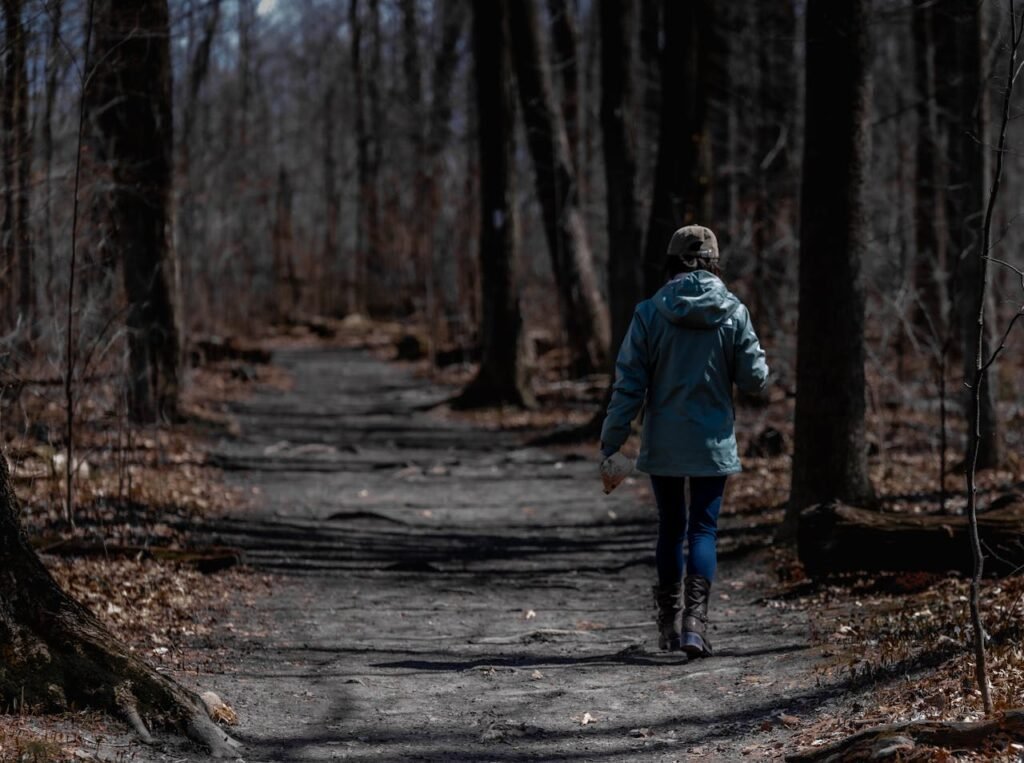
This layer protects you from the elements. Look for waterproof walking jackets that are also breathable. If the jacket is waterproof but not breathable, you will create a sauna effect inside, leading to dampness from your own sweat. According to the National Institute on Aging, protecting yourself from dampness and wind is vital for preventing hypothermia during outdoor exercise.
Proper layering helps with morning temperature regulation, ensuring your circadian rhythm and internal body temperature synchronise effectively with your activity level. You can read more about how environment impacts your walk in our article on Outdoor Walking vs Treadmill: Why Fresh Air Enhances Your Morning Routine.
Choosing the Right Bottoms
The trousers or leggings you choose should offer a full range of motion. Restrictive clothing can alter your gait, potentially leading to hip or back pain.
Lightweight walking trousers with articulated knees are excellent for functionality and often come with pockets for keys or phones. Alternatively, many walkers prefer leggings. There are specific compression leggings benefits to consider, such as improved blood flow and reduced muscle oscillation, which may help decrease fatigue during longer, faster walks.
Flexibility in your lower body attire is crucial, especially if you plan to incorporate Essential Morning Walking Stretches to Improve Flexibility and Prevent Injury into your routine.
Support Where It Counts: Sports Bras
For women, breast support is non-negotiable. Walking involves repetitive vertical bounce, which can damage the Cooper’s ligaments over time. Even low-impact activities require support.
Investing in high-impact sports bras can significantly improve comfort and posture. A well-fitted bra reduces neck and back strain, allowing you to focus on your pace and breathing. This focus is essential if you are following A Complete Guide to Morning Walking for Weightloss and Sustainable Fat Loss.
Footwear: The Foundation of Your Walk
Your shoes are the most important piece of equipment you own. Wearing the wrong shoes is a leading cause of plantar fasciitis, shin splints, and tendonitis.
When selecting a shoe, choosing correct shoe width is as important as the length. A shoe that is too narrow can cause neuromas or bunions. According to the Mayo Clinic, your walking shoes should have a firm heel, adequate arch support, and a flexible sole to support the natural rolling motion of your foot.
Proper alignment starts at the feet. If your shoes are worn out, your posture suffers. For a deeper dive into alignment, refer to Perfecting Your Walking Posture: A Step-by-Step Guide for Pain-Free Movement.
Note: While some advocate for minimal footwear, as discussed in Barefoot Walking: The Potential Benefits and Risks of Earthing in the Morning, most daily walkers on pavement require cushioned protection.
Don’t Forget the Socks
Blisters are the nemesis of the walker. They occur due to friction and moisture. Cotton socks are notorious for causing blisters because they retain sweat and bunch up.
You should invest in breathable walking socks made from synthetic blends or wool. Look for socks with reinforced heels and toes for durability. Effective blister prevention strategies also include ensuring your socks fit snugly without seams that rub against your toes. The American Podiatric Medical Association emphasizes that proper sock selection is a critical component of foot hygiene and health.
Safety and Visibility
If you are walking early in the morning, you are likely doing so in low-light conditions. Being visible to traffic is a safety imperative.
Your morning walking outfit should include reflective visibility gear. This can be built into your jacket, leggings, or shoes, or added via a reflective vest or armbands. The CDC recommends wearing reflective clothing to increase safety during outdoor activities near roadways.
Safety brings peace of mind, which is essential if you use walking to manage mental health. Learn more about this connection in Walking for Anxiety: How a Morning Routine Can Calm Your Nervous System.
Seasonal Considerations
Summer and Sun Protection
Even on cloudy mornings, UV rays can damage your skin. Clothing with a UPF (Ultraviolet Protection Factor) rating offers the best defence. UV protection clothing blocks harmful rays more effectively than standard fabrics. The Skin Cancer Foundation notes that clothing is the first line of defence against the sun.
Winter and Wind
In winter, cover your extremities. A significant amount of body heat is lost through the head and hands. Lightweight gloves and a moisture-wicking beanie can make a freezing morning walk pleasant.
Comfort and Sustainability
Preventing Chafing
Chafing occurs where skin rubs against skin or fabric. It is common in the inner thighs and underarms. Chafing prevention tips include using anti-chafe balms and wearing longer shorts or leggings that cover vulnerable areas. Distractions like chafing can ruin the mindfulness aspect of your walk, which we explore in Walking Meditation: How to Practise Mindfulness with Every Step You Take.
Eco-Friendly Choices
The textile industry has a significant environmental footprint. Fortunately, there are now many sustainable activewear options available, made from recycled plastics or organic materials. Choosing these allows you to care for your health and the planet simultaneously.
The Bottom Line
Selecting the right morning walking outfit is about more than aesthetics; it is a commitment to your physical health and safety. By prioritising moisture-wicking fabrics, proper layering, and supportive footwear, you remove the physical barriers that might stop you from heading out the door.
Remember to consider the specific demands of your environment. Whether you need The Psychological Power of a Sunrise Stroll: Starting Your Day with Natural Light or are focused on high-intensity intervals, your gear should facilitate, not hinder, your goals. For more on maximizing your routine, check out resources from the American Heart Association or guidelines from the NHS.
Equip yourself correctly, and your morning walk will become the most comfortable and rewarding part of your day.