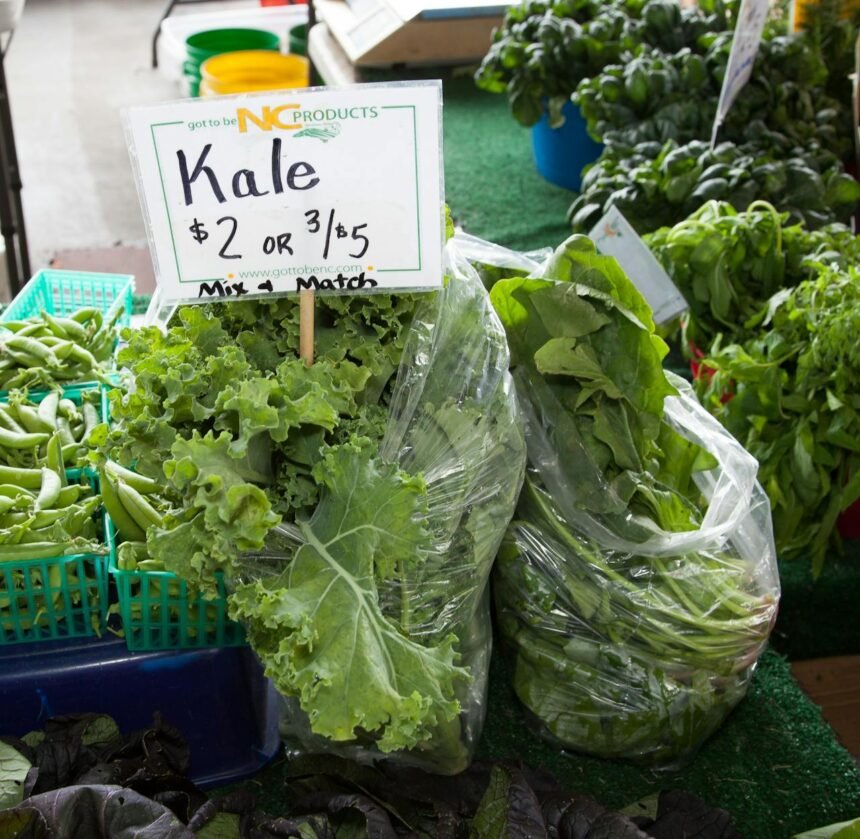
Kale has surged in popularity over the last decade, transitioning from a simple garnish on salad bars to the undisputed king of greens in the health and wellness world. While it may seem like a trend, the reputation of kale is backed by robust scientific evidence. As a member of the cruciferous vegetable family—which also includes broccoli, cauliflower, collard greens, and Brussels sprouts—kale is loaded with beneficial compounds that possess powerful medicinal properties.
Of all the healthy greens available, kale is arguably one of the most nutrient-dense foods on the planet. It is packed with vitamins, minerals, and bioactive compounds that support everything from eye health to heart function. Understanding exactly why this leafy green is so beneficial can help you make informed choices about your diet. In this article, we will explore the science behind this superfood. If you are looking to revamp your nutrition plan, understanding the fundamentals of superfoods is a great place to start, and kale sits firmly at the top of that list.
1. Kale Is Among the Most Nutrient-Dense Foods on Earth
To understand the benefits of kale, you first have to look at its nutritional profile. A single cup of raw kale (about 67 grams) contains remarkably low calories—approximately 33—but provides a massive payload of nutrients. It contains very little fat, but a large portion of the fat in it is an omega-3 fatty acid called alpha-linolenic acid.
According to data from the USDA FoodData Central, one cup of raw kale contains:
- Vitamin A: From beta-carotene (206% of the DV).
- Vitamin K: 684% of the DV.
- Vitamin C: 134% of the DV.
- Vitamin B6: 9% of the DV.
- Manganese: 26% of the DV.
- Calcium: 9% of the DV.
- Copper: 10% of the DV.
- Potassium: 9% of the DV.
- Magnesium: 6% of the DV.
Because of this incredibly low calorie-to-nutrient ratio, kale is one of the most nutrient-dense foods in existence. Eating more nutrient-dense foods is a cornerstone of an anti-inflammatory diet, which helps reduce the risk of chronic health conditions.
2. It Is Loaded With Powerful Antioxidants Like Quercetin and Kaempferol
Kale, like other leafy greens, is very high in antioxidants. These are substances that help counteract oxidative damage by free radicals in the body. Oxidative damage is believed to be one of the leading drivers of aging and many diseases, including cancer. However, many of the substances that happen to be antioxidants also have other important biological functions.
This includes beta-carotene and vitamin C, as well as various flavonoids and polyphenols. Flavonoids like quercetin and kaempferol are found in relatively large amounts in kale. These substances have been studied intensely in test tubes and animals. They have powerful heart-protective, blood pressure-lowering, anti-inflammatory, anti-viral, anti-depressant, and anti-cancer effects. Learning about natural ways to boost your immune system often involves increasing your intake of these exact types of antioxidants.
A review published in the National Institutes of Health (NIH) database highlights that quercetin specifically helps to modulate immune function and reduce inflammation markers.
3. It Is an Excellent Source of Vitamin C
Vitamin C is an important water-soluble antioxidant that serves many vital functions in the body’s cells. For example, it is necessary for the synthesis of collagen, the most abundant structural protein in the body. Kale is actually much higher in vitamin C than most other vegetables, containing about 4.5 times much as spinach.
The truth is, kale is actually one of the world’s best sources of vitamin C. A cup of raw kale contains even more vitamin C than a whole orange. This makes it an essential dietary addition for those looking to improve skin health and joint mobility. While many people turn to supplements, getting your vitamins from whole foods is generally superior. If you are interested in optimizing your nutrient intake, check out our guide on preventing chronic disease through nutrition.
According to the NIH Office of Dietary Supplements, adequate vitamin C intake is also linked to reduced risks of certain cancers and cardiovascular disease.
4. Kale Can Help Lower Cholesterol, Which May Reduce The Risk of Heart Disease
Cholesterol has many important functions in the body. For instance, it is used to make bile acids, which are substances that help us digest fats. The liver turns cholesterol into bile acids, which are then released into the digestive system whenever you eat a fatty meal. When all the fat has been absorbed and the bile acids have served their purpose, they are reabsorbed into the bloodstream and used again.
Substances called bile acid sequestrants can bind bile acids in the digestive system and prevent them from being reabsorbed. This reduces the total amount of cholesterol in the body. Kale contains bile acid sequestrants, which can lower cholesterol levels. This is a critical component of lowering cholesterol naturally without immediate reliance on medication. Interestingly, steaming kale increases the bile acid binding effect. Steamed kale is actually 43% as potent as cholestyramine, a cholesterol-lowering drug that functions in a similar way.
A study published in PubMed demonstrated that daily consumption of kale juice for 12 weeks increased HDL (the “good”) cholesterol by 27% and lowered LDL levels by 10%.
5. It Is One of The World’s Best Sources of Vitamin K
Vitamin K is an incredibly important nutrient. It is absolutely critical for blood clotting, and does this by “activating” certain proteins and giving them the ability to bind calcium. The well-known anticoagulant drug Warfarin actually works by blocking the function of this vitamin. Kale is one of the world’s best sources of vitamin K, with a single raw cup containing almost 7 times the recommended daily amount.
The form of vitamin K in kale is K1, which is different from vitamin K2. Vitamin K2 is found in fermented soy foods and certain animal products. It helps prevent heart disease and osteoporosis. However, Vitamin K1 is vital for maintaining healthy blood clotting mechanisms and supporting bone density. For those concerned about skeletal strength, combining kale with other proven bone health tips is highly recommended.
Research from the Harvard T.H. Chan School of Public Health emphasizes that low intake of Vitamin K is associated with an increased risk of hip fractures.

6. There Are Numerous Cancer-Fighting Substances in Kale
Cancer is a terrible disease characterized by the uncontrolled growth of cells. Kale is loaded with compounds that are believed to have protective effects against cancer. One of these is sulforaphane, a substance that has been shown to help fight the formation of cancer at the molecular level. It also contains indole-3-carbinol, another substance that is believed to help prevent cancer.
Studies have shown that cruciferous vegetables (including kale) may significantly lower the risk of several cancers, although evidence in humans is mixed. The biological plausibility remains strong, however, due to the presence of glucosinolates, which break down into biologically active compounds that inhibit cancer cell growth. Incorporating these vegetables is often a key strategy in foods that help prevent cancer.
According to the National Cancer Institute, these compounds help protect cells from DNA damage, inactivate carcinogens, and induce cell death in tumor cells.
7. Kale Is Very High in Beta-Carotene
Many people mistake kale for being high in vitamin A. While this is technically true on nutrition labels, it is actually high in beta-carotene, an antioxidant that the body can turn into vitamin A. Vitamin A (retinol) is essential for immune function, vision, and reproduction.
The conversion process from beta-carotene to vitamin A is vital because taking extremely high doses of pre-formed vitamin A can be toxic, whereas beta-carotene is generally safe and regulated by the body’s needs. This makes kale an excellent way to safely boost your levels of this critical vitamin. To learn more about how vitamins interact with your body, read our article on the benefits of Vitamin A.
Research highlighted in the American Journal of Clinical Nutrition suggests that the bioavailability of beta-carotene from kale is high, making it an effective way to improve vitamin A status.
8. A Good Source of Minerals That Most People Don’t Get Enough Of
Kale is high in minerals, some of which many people are deficient in. It is a good plant-based source of calcium, a nutrient that is very important for bone health and plays a role in all sorts of cellular functions. It is also a decent source of magnesium, an incredibly important mineral that most people don’t get enough of. Eating plenty of magnesium may be protective against type 2 diabetes and heart disease.
Kale also contains quite a bit of potassium, a mineral that helps maintain electrical gradients in the body’s cells. Adequate potassium intake has been linked to reduced blood pressure and a lower risk of heart disease. One advantage kale has over leafy greens like spinach is that it is low in oxalates, substances found in some plants that can prevent minerals from being absorbed. For more on minerals, explore our list of magnesium-rich foods you should be eating.
The U.S. Food and Drug Administration (FDA) lists potassium and calcium as “nutrients of public health concern” because Americans generally do not consume enough of them.
9. High in Lutein and Zeaxanthin, Powerful Nutrients that Protect the Eyes
One of the most common consequences of aging is that eyesight gets worse. Fortunately, there are several nutrients in the diet that can help prevent this from happening. Two of the main ones are lutein and zeaxanthin, carotenoid antioxidants that are found in large amounts in kale and some other foods.
Many studies have shown that people who eat enough lutein and zeaxanthin have a much lower risk of macular degeneration and cataracts, two very common eye disorders. These antioxidants accumulate in the retina, where they help filter out harmful blue light and protect the delicate eye structures from oxidative stress. If you are concerned about vision longevity, consider reviewing our guide on supplements and foods for eye health.
According to the American Optometric Association, lutein and zeaxanthin filter harmful high-energy blue wavelengths of light and act as antioxidants in the eye, helping protect and maintain healthy cells.
10. Kale Should Be Able to Help You Lose Weight
Kale has several properties that make it a weight-loss-friendly food. It is very low in calories but still provides significant bulk that should help you feel full. Because of the low calorie and high water content, kale has a low energy density. Eating plenty of foods with a low energy density has been shown to aid weight loss in numerous studies.
Kale also contains a small amount of protein and fiber. These are two of the most important nutrients when it comes to losing weight. Although there is no study that directly tests the effects of kale on weight loss, it makes sense that it would be a useful addition to a weight loss diet. Integrating bulky greens is a primary tactic in effective meal planning for weight loss.
The Centers for Disease Control and Prevention (CDC) confirms that people can feel full on fewer calories by substituting high-energy-dense foods with foods that have lower energy density, such as vegetables like kale.
How to Add More Kale to Your Diet
Adding kale to your diet is relatively simple. You can simply add it to your salads or use it in recipes. A popular snack is kale chips, where you drizzle some extra virgin olive oil or avocado oil on your kale, add some salt, and then bake in an oven until dry. It tastes absolutely delicious and makes a great crunchy, super-healthy snack.
Many people also add kale to their smoothies in order to boost the nutritional value. If you find the taste too bitter, try massaging the kale leaves with olive oil and lemon juice before eating it raw; this breaks down the tough fibers and reduces bitterness. For those focusing on digestion, ensuring you get enough fiber is key, and kale is a great contributor. Read more about fiber and digestive health here.
The Bottom Line
Kale is definitely one of the healthiest and most nutritious foods on the planet. If you want to dramatically boost the amount of nutrients you take in, consider loading up on kale. From its potential to lower cholesterol to its ability to support bone and eye health, the benefits are extensive and well-documented. While no single food is a miracle cure, incorporating nutrient-dense options like kale into a balanced diet is one of the best investments you can make for your long-term health.