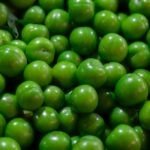
The Fibre Content in Green Peas and Digestive Health
Green peas are often dismissed as a humble side dish, something to push around the plate during a Sunday roast. However, these small, spherical legumes are nutritional powerhouses packed with vitamins, minerals, and antioxidants.
More importantly, they are an exceptional source of dietary fibre. In the realm of digestive wellness, the green pea fibre profile stands out for its unique combination of soluble and insoluble fibres, making it a potent ally for your gut microbiome.
Whether you consume them fresh, frozen, or as a derived supplement, understanding how peas influence your digestive system can help you make better dietary choices.
This article explores the nutritional science behind green peas, their specific benefits for digestion, and how to incorporate them into your diet effectively.
Nutritional Profile of Green Peas
Green peas (Pisum sativum) are technically legumes, although they are often prepared and eaten as vegetables. What distinguishes them from many other vegetables is their high protein and fibre content.
Unlike many leafy greens which are primarily water and micronutrients, peas provide substantial macronutrient value. They are relatively low in calories but highly satiating.
Here is a breakdown of the nutritional content for 160 grams (one cup) of cooked green peas:
| Nutrient | Amount |
|---|---|
| Calories | 134 |
| Carbohydrates | 25 grams |
| Fibre | 8.8 grams |
| Protein | 8.6 grams |
| Fat | 0.4 grams |
| Vitamin K | 48% of the DV |
| Vitamin C | 22% of the DV |
| Folate | 24% of the DV |
| Manganese | 36% of the DV |
The star of this nutritional profile is undoubtedly the fibre. Providing nearly 9 grams per cup, green peas offer one of the highest fibre-to-calorie ratios among common vegetables.
For context, dietary guidelines in the UK suggest adults should aim for 30g of fibre a day. A single serving of peas gets you nearly a third of the way there.
Understanding Green Pea Fibre
To understand why peas are so beneficial, we must look at the specific types of carbohydrates they contain. Green pea fibre is not a singular substance; it is a complex matrix of plant cell walls and storage polysaccharides.
Insoluble Fibre
The majority of the fibre in the skin of the pea is insoluble. This type of fibre does not dissolve in water. Instead, it adds bulk to the stool and acts somewhat like a brush sweeping through your digestive tract.
Insoluble fibre promotes the movement of material through your digestive system, which is crucial for those struggling with irregular bowel movements.
Soluble Fibre
The inner flesh of the pea contains soluble fibre. This type absorbs water to form a gel-like substance during digestion.
Soluble fibre is known for slowing down digestion, which helps you feel fuller for longer. It also plays a critical role in managing blood sugar levels and lowering cholesterol.
Resistant Starch
Green peas also contain resistant starch. While technically a starch, it functions similarly to soluble fibre. It resists digestion in the small intestine and arrives intact in the colon, where it feeds beneficial gut bacteria.
Digestive Health Benefits
The impact of green pea fibre extends far beyond simple regularity. The mechanisms by which peas support the gut are supported by a growing body of scientific evidence.
1. Promoting Microbiome Diversity
Your gut is home to trillions of bacteria, collectively known as the microbiome. For optimal health, you need a diverse array of these beneficial microbes.
The fibre in green peas acts as a prebiotic. When the fibre reaches the colon, gut bacteria ferment it.
This fermentation process produces Short-Chain Fatty Acids (SCFAs), such as butyrate, acetate, and propionate. Butyrate, in particular, is the primary energy source for the cells lining your colon.
By feeding the good bacteria, peas help suppress the growth of harmful bacteria, potentially reducing the risk of gastrointestinal infections.
2. Alleviating Constipation
Constipation is a common digestive issue that affects millions of people globally. It is often caused by a lack of fibre and hydration.
The high insoluble fibre content in peas increases stool weight and softness. Research suggests that increasing fibre intake is the first-line treatment for chronic constipation.
Including a serving of peas in your daily diet can significantly improve bowel frequency and consistency without the need for pharmacological laxatives.
3. Managing Diverticular Disease
Diverticulitis occurs when small pouches in the lining of the digestive system (diverticula) become inflamed or infected. While the exact cause is debated, a high-fibre diet is generally recommended to keep diverticular disease in remission.
Regular consumption of fibre-rich foods like peas keeps the pressure in the colon normal, preventing the formation of new pouches and reducing inflammation in existing ones.
For more on how fibre supports gut health, you can read this comprehensive guide from Healthline.
Metabolic and Systemic Benefits
While digestion is the primary beneficiary, the positive effects of green pea fibre ripple throughout the entire body. The digestive system is intrinsically linked to metabolic health.
Blood Sugar Stabilisation
Green peas have a relatively low Glycaemic Index (GI). This is largely due to their fibre and protein content.
Fibre slows the absorption of carbohydrates into the bloodstream. This prevents the rapid spikes in blood sugar and insulin that occur after eating refined carbohydrates.
According to Diabetes UK, a diet high in fibre is essential for managing type 2 diabetes and preventing insulin resistance.
Heart Health and Cholesterol
Soluble fibre binds to cholesterol molecules in the small intestine and prevents them from entering the bloodstream. Instead, the cholesterol exits the body through faeces.
This mechanism helps lower low-density lipoprotein (LDL), often called "bad" cholesterol. Studies from the American Heart Association consistently link high fibre intake with a reduced risk of heart disease and stroke.
Potential Downsides and Considerations
Despite their benefits, green peas may not be suitable for everyone. It is important to be aware of potential digestive side effects, particularly if you have a sensitive stomach.
Anti-Nutrients
Like most legumes, green peas contain antinutrients, which are compounds that can interfere with digestion and mineral absorption. The two most notable are:
- Phytic Acid: Can hinder the absorption of iron, calcium, and zinc.
- Lectins: Proteins that may cause gas and bloating in sensitive individuals.
However, these are generally not a concern for healthy people. Soaking, sprouting, or fully cooking peas significantly reduces these levels. Since green peas are almost always eaten cooked, the risk is minimal.
FODMAPs and Bloating
Green peas contain galacto-oligosaccharides (GOS) and fructans, which are types of carbohydrates known as FODMAPs. These can ferment rapidly in the gut.
For individuals with Irritable Bowel Syndrome (IBS), eating large quantities of peas might trigger bloating and gas. According to Monash University, who pioneered the low FODMAP diet, a small serving (around 15g) is often tolerated, but larger servings may be problematic for IBS sufferers.
Practical Tips for Incorporation
Getting more green pea fibre into your diet does not mean you have to eat a pile of plain boiled peas every day. They are incredibly versatile.
Fresh vs. Frozen vs. Canned
- Frozen Peas: Often flash-frozen immediately after harvest, preserving the highest amount of vitamins and sweetness. They are usually the best option for texture and nutrition.
- Canned Peas: Convenient, but often have a mushier texture and higher sodium content. Rinse them thoroughly before use to reduce salt.
- Dried Split Peas: These are mature peas that have been dried and peeled. They are excellent for soups and dals but take longer to cook.
Creative Ways to Eat Peas
- Pea Guacamole: Blend peas with avocado, lime, and coriander for a fibre-boosted dip.
- Soups: Blend cooked peas with mint and vegetable stock for a classic British soup.
- Pasta Add-in: Toss a handful of frozen peas into your pasta water for the last 3 minutes of boiling.
- Salads: Cold, cooked peas add a sweet "pop" of texture to leafy salads.
- Smoothies: Believe it or not, a small handful of frozen peas adds creaminess to a green smoothie without a strong flavour profile.
Increasing Intake Safely
If your current diet is low in fibre, introduce peas gradually.
Adding too much fibre too quickly can lead to temporary abdominal cramping and gas. As advised by the NHS, ensure you also increase your water intake. Fibre acts like a sponge; without adequate water, it can cause constipation rather than cure it.
The Bottom Line
Green peas are far more than a filler vegetable. They are a robust source of plant-based protein and essential micronutrients. However, it is the green pea fibre that truly shines for digestive health.
By providing a mix of soluble and insoluble fibre, peas help regulate bowel movements, feed beneficial gut bacteria, and stabilise blood sugar levels.
While those with IBS should monitor their portion sizes, for the vast majority of people, green peas are an affordable, accessible, and delicious way to improve gut health.
Whether you mash them, blend them, or eat them whole, adding this vibrant legume to your plate is a simple step toward a healthier digestive system.
Always consult with a healthcare professional or a registered dietician before making drastic changes to your diet, especially if you have pre-existing digestive conditions.
References
- Healthline. Why Green Peas are Healthy and Nutritious
- Mayo Clinic. Chart of high-fiber foods
- National Center for Biotechnology Information (NCBI). Health benefits of dietary fiber
- Diabetes UK. Fibre and Diabetes
- American Heart Association. Whole Grains, Refined Grains, and Dietary Fiber
- Monash University. About FODMAPs and IBS
- NHS. How to get more fibre into your diet
- Harvard T.H. Chan School of Public Health. Fiber
- British Nutrition Foundation. Dietary Fibre
- USDA FoodData Central. Peas, green, cooked, boiled, drained, without salt