We include products we think are useful for our readers. If you buy through links on this page, we may earn a small commission. Here’s our process.
There are few culinary disappointments quite as acute as slicing into an avocado only to find it rock-hard and unyielding.
You have likely planned the perfect meal. perhaps a vibrant salad or a bowl of fresh guacamole, only to be thwarted by produce that simply isn’t ready.
Avocados are notorious for their unpredictable ripening schedules. Unlike many fruits, they do not ripen on the tree; they only begin to soften once harvested. This process can take anywhere from a few days to over a week, depending on storage conditions.
However, if you are pressed for time, you may be searching for how to ripen an avocado in 10 minutes. While patience is the best method for preserving flavour, specific heat-based techniques can soften the fruit rapidly.
This article explores the science behind avocado ripening, step-by-step methods to speed up the process, and the trade-offs regarding taste and texture.
Overview
The avocado (Persea americana) is a unique fruit, prized for its high nutrient density and healthy monounsaturated fats.
However, its climatacteric nature means it relies on a burst of ethylene gas production to trigger the ripening process after harvest. In a supermarket setting, finding a perfectly ripe fruit is often a matter of luck.
When you need an avocado immediately, waiting for natural ethylene production is not an option.
The “10-minute method” effectively involves cooking the fruit gently to soften the cellular structure. While this technically softens the avocado rather than ripening it biologically, the result is often indistinguishable in dishes like guacamole.
Below, we break down the symptoms of an unripe avocado, the science of why they stay hard, and the treatment methods to fix them quickly.
Signs and ‘Symptoms’ of an Unripe Avocado
Before attempting any ripening acceleration, it is essential to diagnose the state of your fruit. Attempting to ripen an avocado that is already turning can lead to a mushy, unpalatable mess.
Visual Indicators
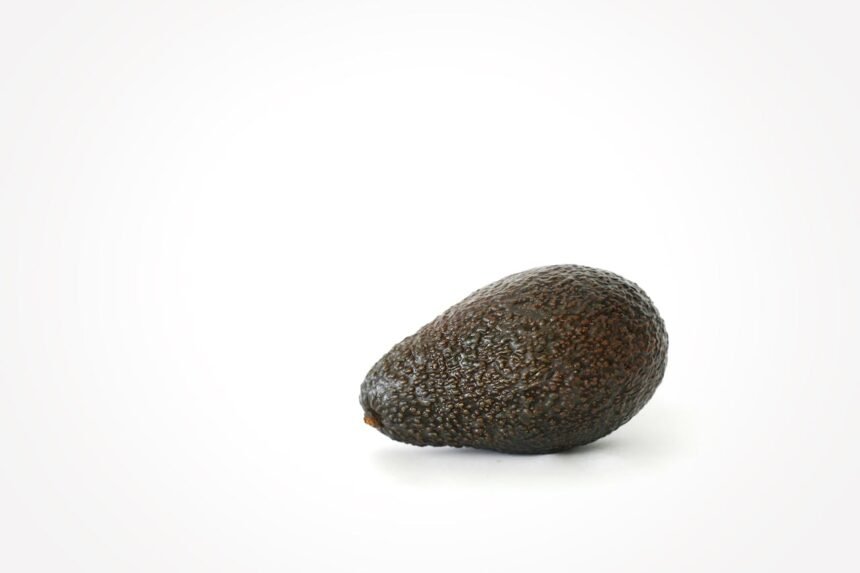
Depending on the variety—most commonly the Hass avocado in the UK—the skin colour provides the first clue. An unripe Hass avocado will be bright green. As it ripens, the skin turns a deep purple or almost black. If the skin is vibrant green, it is likely hard inside.
Tactile Indicators
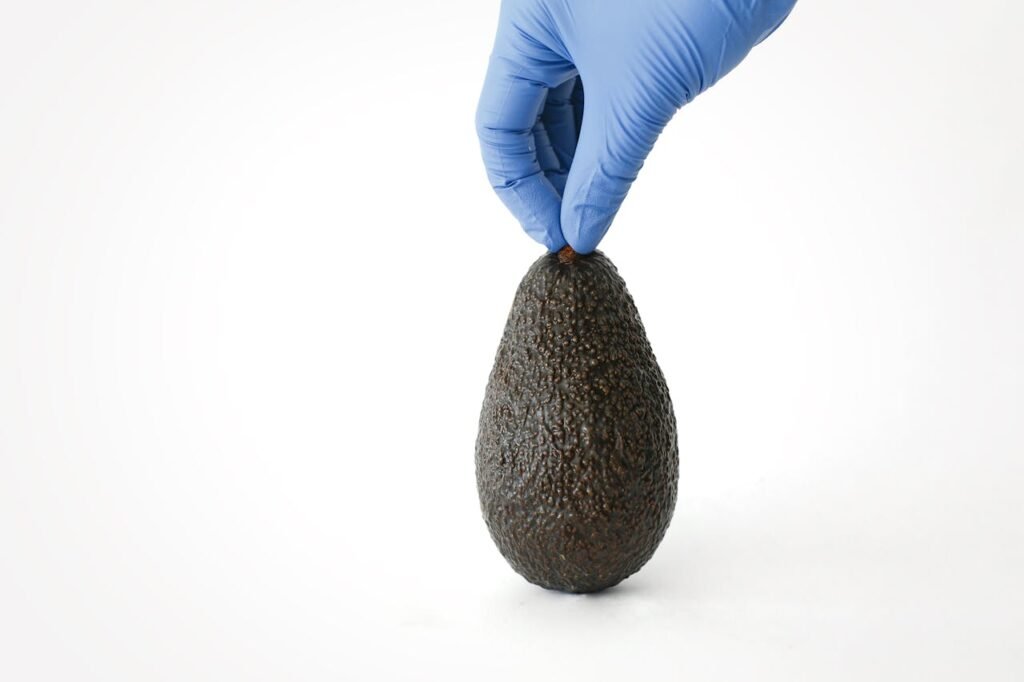
Place the avocado in the palm of your hand and squeeze gently. An unripe avocado will feel like a cricket ball—solid with absolutely no give. If there is slight give, it may ripen naturally within 24 hours. If it yields to gentle pressure, it is ready to eat.
** The Stem Test**
If the small stem at the top of the avocado is difficult to flick off, the fruit is unripe. If it comes away easily and reveals green underneath, it is ripe. If it is brown underneath, the fruit may be overripe.
Causes of Delayed Ripening
Why do avocados take so long to soften? The primary cause is a lack of ethylene gas.
Ethylene is a natural plant hormone. When an avocado is harvested, the separation from the tree triggers the release of this gas, which breaks down internal cell walls and converts starches into sugars.
Cold temperatures, such as those in supermarket transport lorries or your home fridge, inhibit the release of ethylene, effectively pausing the ripening process.
Treatment: How to Ripen an Avocado in 10 Minutes
If you cannot wait for nature to take its course, you can intervene using heat.
It is important to note that this method changes the chemical profile of the fruit slightly. You are essentially trapping the ethylene gas and breaking down the cell walls via heat.
Method 1: The Oven Technique (Recommended)
This is widely considered the most effective way to learn how to ripen an avocado in 10 minutes (or slightly more, depending on your oven) without completely ruining the flavour.
What you need:
- Your unripe avocado
- Aluminium foil
- A baking tray
The Steps:
- Preheat: Set your oven to 95°C (200°F). It is crucial not to use a high temperature, as you want to soften the fruit, not roast it.
- Wrap: Tightly wrap the whole avocado in aluminium foil. Ensure there are no gaps. This creates an airtight seal that traps the ethylene gas produced by the fruit as it warms up.
- Bake: Place the wrapped avocado on a baking tray and put it in the oven.
- Monitor: Check the avocado after 10 minutes. Use an oven glove to squeeze it gently. If it yields to pressure, it is done. If it is still hard, return it to the oven and check every 5 minutes.
- Cool: Once soft, remove it from the oven and place it in the fridge (unwrapped) for a few minutes to stop the cooking process.
Why it works:
The gentle heat stimulates the release of ethylene gas, while the foil traps it against the skin, forcing the ripening process into overdrive.
Method 2: The Microwave Technique (Fastest)
If you are strictly limited to 10 minutes or less, the microwave is the fastest route, though it compromises the flavour more than the oven method.
The Steps:
- Prepare: Cut the avocado in half vertically and remove the pit.
- Wrap: Wrap each half in microwave-safe cling film.
- Heat: Microwave on a medium-high setting for 30 seconds.
- Check: Press the fruit to check for softness. If it is still hard, continue in 30-second intervals.
- Rest: Allow the avocado to cool before scooping it out.
Note on Texture:
Microwaving can cause the avocado to sweat oils, giving it a slightly slimier texture. This is acceptable for smoothies or guacamole but not recommended for avocado toast or salads.
Management: Natural Ripening and Storage
If you are not in an immediate rush and have 24 to 48 hours, ‘natural’ acceleration is superior for preserving the nutty, buttery flavour profile of the fruit.
The Paper Bag Method
To speed up ripening without cooking the fruit, place the avocado in a brown paper bag.
Add a banana, apple, or kiwi to the bag. These fruits are high ethylene producers.
Fold the top of the bag over to seal it. The trapped gas from the partner fruit will ripen the avocado in 1-2 days, shaving significant time off the usual process.
Proper Storage
Once your avocado is ripe, knowing how to manage it is vital to prevent waste.
- Unripe: Store on the countertop at room temperature. Avoid direct sunlight.
- Ripe: Move immediately to the fridge. The cold slows down the ethylene effect, giving you an extra 2-3 days of freshness.
- Cut Avocado: If you only use half, leave the pit in the remaining half. Squeeze lemon or lime juice over the exposed flesh and wrap tightly in cling film to prevent oxidation (browning).
Nutritional Considerations
Avocados are frequently categorised as a superfood, and for good reason. Understanding their nutritional value helps explain why we go to such lengths to eat them.
Healthy Fats
Avocados are rich in monounsaturated oleic acid, a heart-healthy fatty acid that is also the major component of olive oil. Research suggests these fats can reduce inflammation.
Fibre Content
A standard avocado is loaded with fibre, which contributes to weight loss, reduces blood sugar spikes, and is strongly linked to a lower risk of many diseases.
Potassium
Ideally, we should maintain high potassium levels for healthy blood pressure. Avocados actually contain more potassium than bananas.
Does the 10-minute heating method affect nutrition?
While high heat can degrade some heat-sensitive vitamins (like Vitamin C), the gentle heating required to soften the avocado is unlikely to destroy the fatty acids or mineral content significantly. However, raw consumption remains the gold standard for maximum nutrient retention.
Culinary Tips for Heat-Ripened Avocados
When you use the oven or microwave method, the avocado will not taste exactly like a naturally ripened one. It may lack that specific nutty creaminess and taste slightly ‘cooked’.
To manage this flavour change, use heat-ripened avocados in dishes with other strong ingredients.
Best Uses:
- Guacamole: The lime juice, coriander, onion, and chilli will mask any cooked flavour.
- Smoothies: Blended with banana, spinach, and protein powder, the texture becomes the priority.
- Baking: Using avocado as a butter substitute in brownies or cakes.
Avoid For:
- Salads: The texture may be too soft or stringy.
- Slices on Toast: The lack of distinct flavour may be noticeable.
The Bottom Line
Learning how to ripen an avocado in 10 minutes is a valuable kitchen hack, but it is effectively a scientific cheat code.
By using the oven to trap ethylene gas, you are softening the fruit’s cellular structure rather than allowing the complex enzymatic processes of natural ripening to occur.
If you need to make guacamole immediately, the oven method (wrapped in foil at 95°C) is your best treatment option. It provides a usable texture within 10 to 20 minutes.
However, for the best nutritional value and flavour profile, planning ahead and using the paper bag method is the superior management strategy.
Always handle avocados with care, especially when removing the pit, to ensure your culinary experience remains safe and healthy.