We all desire a complexion that radiates health and vitality. If you have been searching for a natural way to enhance your glow, you might find the answer in your fruit bowl rather than the cosmetic aisle. While high-end creams and serums promise miraculous results, the foundation of healthy skin truly begins with nutrition. We understand that navigating the world of skincare advice can be overwhelming, but sometimes the simplest solutions are supported by the strongest science.
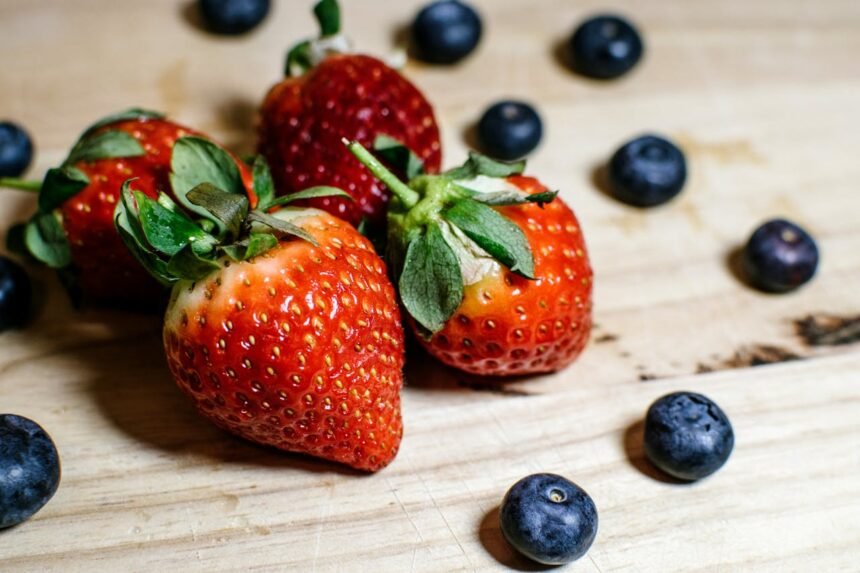
Strawberries are often celebrated for their sweet flavour and vibrant red colour, yet they offer far more than just a delightful summer treat. These berries are a nutritional powerhouse, specifically regarding skin health. Research suggests that the specific compounds found in strawberries can play a pivotal role in maintaining skin elasticity and brightness.
Increasingly, dermatologists and nutritionists are highlighting the link between diet and dermatological health. By incorporating nutrient-dense foods like strawberries into your daily routine, you can support your body’s natural repair processes. This article explores the science behind strawberries for skin health, detailing how they aid collagen production and protect against environmental damage.
The Nutritional Powerhouse: What Makes Strawberries Special?
Before diving into specific skin benefits, it is essential to understand the nutritional profile of this fruit. Strawberries are exceptionally rich in micronutrients that are vital for maintaining cellular health. They are technically distinct from other berries due to their unique seed structure, but nutritionally, they sit at the top of the hierarchy for skin-friendly foods.
According to data from BBC Good Food, strawberries are low in sugar compared to other fruits but incredibly high in antioxidants. The primary driver of their skin benefits is their remarkably high Vitamin C content. In fact, a single serving of strawberries provides more Vitamin C than an orange, which is crucial for immune function and skin repair.
Furthermore, they contain significant amounts of manganese, folate, and potassium. More importantly for your complexion, they are packed with polyphenols, particularly ellagic acid and anthocyanins. These compounds are potent antioxidants that fight oxidative stress in the body. Oxidative stress is a key factor in premature ageing, making these nutrients essential for preserving a youthful appearance.
How Strawberries Support Collagen and Skin Health
The impact of strawberries on the skin is multifaceted, primarily revolving around collagen synthesis and protection against ultraviolet (UV) damage. Here is a detailed breakdown of the biological mechanisms at play.
Vitamin C and Collagen Synthesis
Collagen is the most abundant protein in the human body, providing structure to your skin, bones, and connective tissues. As we age, our natural collagen production declines, leading to wrinkles and sagging. This is where strawberries become a critical dietary component.
Vitamin C is an absolute requirement for collagen synthesis. It serves as a cofactor for the enzymes prolyl and lysyl hydroxylase, which are responsible for stabilising and cross-linking collagen molecules. Without adequate Vitamin C, your body simply cannot produce healthy collagen. Information from the NHS highlights that adults need regular Vitamin C intake since the body cannot store it. Regular consumption of strawberries ensures you hit these targets efficiently.
Protection Against UV Damage
Sun exposure is one of the primary causes of skin damage, known as photoageing. While strawberries are not a substitute for sunscreen, they offer an internal layer of defence. The ellagic acid found in strawberries has been shown to prevent the destruction of collagen and minimise the inflammatory response caused by UV rays.
A study referenced by PubMed suggests that ellagic acid can inhibit the expression of matrix metalloproteinases (MMPs), which are enzymes that break down collagen when triggered by sunlight. By reducing MMP activity, strawberries help preserve the structural integrity of the skin even when exposed to environmental stressors.
Anti-Inflammatory Properties
Chronic inflammation can manifest on the skin as redness, puffiness, or acne. Strawberries possess strong anti-inflammatory properties that can help calm reactive skin. The antioxidants in strawberries work to neutralise free radicals, reducing systemic inflammation.
According to Harvard Health, an anti-inflammatory diet is crucial for preventing various chronic conditions, and this extends to dermatological health. By lowering oxidative stress markers, strawberries may help reduce the frequency of acne breakouts and improve general skin tone.
Natural Exfoliation with Alpha Hydroxy Acids
Beyond dietary intake, strawberries contain natural Alpha Hydroxy Acids (AHAs), specifically salicylic acid. This makes them a popular ingredient in DIY skincare masks. Salicylic acid is a beta-hydroxy acid known for its ability to penetrate pores and dissolve dead skin cells and excess sebum.
The British Skin Foundation notes that keeping pores clear is essential for managing acne-prone skin. While the concentration in a raw strawberry is lower than in pharmaceutical products, it offers a gentle, natural alternative for brightening a dull complexion and refining skin texture.
| Nutrient | Primary Benefit for Skin | Concentration Context |
|---|---|---|
| Vitamin C | Essential for collagen production and brightening. | Higher per 100g than oranges. |
| Ellagic Acid | Protects against UV damage and prevents collagen breakdown. | One of the richest dietary sources. |
| Salicylic Acid | Exfoliates dead skin cells and clears pores. | Present in natural, gentle amounts. |
| Anthocyanins | Reduces inflammation and fights oxidative stress. | Provides the vibrant red colour. |
Actionable Tips: How to Incorporate Strawberries
To maximise the benefits of strawberries for skin health, consistency is key. Here are effective ways to add them to your routine.
Optimising Dietary Intake
- Eat them raw: Vitamin C is heat-sensitive and can be degraded by cooking. To get the maximum collagen-boosting benefit, consume strawberries fresh. Wash them just before eating to prevent spoilage.
- Pair with healthy fats: While Vitamin C is water-soluble, some of the other antioxidants in strawberries are better absorbed when eaten with fats. Try adding them to full-fat Greek yoghurt or a salad with nuts.
- Choose organic when possible: Strawberries often feature on lists of produce with higher pesticide residues. The Soil Association recommends organic produce to minimise exposure to synthetic chemicals, which is generally better for overall health.
- Daily targets: Aim for one cup (approximately 150g) of halved strawberries daily. This provides well over 100% of your recommended daily allowance of Vitamin C, adhering to guidelines found on GOV.UK regarding fruit and vegetable intake.
Topical Application (DIY Mask)
For a quick brightening boost, you can apply strawberries topically. However, always perform a patch test first.
- The Brightening Mash: Mash two ripe strawberries with a teaspoon of honey and a teaspoon of yoghurt. Apply to the face for 10 minutes and rinse with cool water. The natural acids exfoliate while the honey moisturises.
For more clinical advice on skin care ingredients, Healthline offers extensive resources on how specific vitamins interact with skin physiology.
Frequently Asked Questions
Can strawberries cause allergic skin reactions?
Yes, some individuals are allergic to strawberries. Symptoms can include hives or oral allergy syndrome (itching mouth). If you have known allergies to birch pollen, you might react to strawberries. Always consult a GP if you are unsure.
Is frozen just as good as fresh?
Surprisingly, yes. Freezing strawberries immediately after harvest preserves their Vitamin C content effectively. In contrast, fresh strawberries sitting in the fridge for a week may lose some potency. The Linus Pauling Institute notes that micronutrient stability is key for efficacy.
Will eating strawberries cure my acne?
No single food cures acne. However, the anti-inflammatory nature of strawberries can support a broader treatment plan. The British Association of Dermatologists recommends a balanced diet alongside medical treatments for acne management.
The Bottom Line
Achieving healthy, glowing skin is rarely about a single miracle cure, but rather a combination of lifestyle choices and nutrition. Strawberries offer a delicious and scientifically supported way to boost your skin’s health from the inside out.
Their exceptional Vitamin C content drives collagen production, helping to maintain firmness and elasticity as you age. Furthermore, the presence of ellagic acid provides a natural shield against environmental damage. Whether you enjoy them sliced on your morning porridge or blended into a smoothie, prioritising this fruit can yield visible long-term benefits.
While topical products have their place, the building blocks of your skin come from your diet. By consistently including strawberries in your meals, you are providing your body with the essential tools it needs to repair, protect, and radiate health.