Fiber isn’t just another nutritional buzzword—it’s genuinely your digestive system’s best ally and a powerhouse for overall health. With most UK adults consuming only 19 grams daily against the recommended 30 grams, there’s never been a better time to embrace this essential nutrient. From weight management to disease prevention, fiber delivers transformative health benefits that can revolutionise your wellbeing.gutscharity
What Makes Fiber So Special?
Dietary fiber represents the indigestible parts of plant foods that pass through your digestive system largely intact. Unlike other nutrients that break down and absorb, fiber works its magic by providing structure, feeding beneficial bacteria, and supporting multiple bodily functions simultaneously.geimshospital+1
There are two main types working in harmony: soluble fiber dissolves in water to form a gel-like substance, whilst insoluble fiber adds bulk to stool and promotes regular bowel movements. Both types deliver unique benefits, making variety crucial for optimal health outcomes.healthline
Prebiotic fiber deserves special mention as it specifically feeds beneficial gut bacteria, creating short-chain fatty acids that nourish your colon wall and support immune function. This symbiotic relationship between fiber and your microbiome creates a foundation for lasting health improvements.tatanq+1
Research consistently demonstrates fiber’s role in cholesterol reduction, blood sugar management, and cardiovascular protection. The satiety-promoting effects help control appetite naturally, making fiber an invaluable tool for sustainable weight management.houstonmethodist+3
Fiber’s Impressive Health Portfolio
Weight Management and Metabolic Health
Weight loss becomes significantly easier when fiber takes centre stage in your diet. Studies show that individuals consuming higher fiber amounts experience greater weight reduction and better dietary adherence compared to those with lower intakes. The appetite-suppressing qualities help you feel satisfied with smaller portions whilst maintaining stable energy levels throughout the day.pmc.ncbi.nlm.nih
Blood sugar regulation improves dramatically with adequate fiber consumption. Soluble fiber slows glucose absorption, preventing dangerous spikes and supporting insulin sensitivity. This makes fiber particularly valuable for diabetes prevention and management, offering a natural approach to metabolic health.diabetes
Cholesterol management benefits significantly from fiber’s unique properties. Soluble varieties bind with cholesterol particles in your digestive system, facilitating their removal and reducing cardiovascular disease risk. Regular consumption can lower LDL cholesterol levels by substantial margins.med.stanford
The microbiome enhancement provided by prebiotic fibers extends far beyond digestion. A diverse, thriving gut ecosystem supports immune function, mood regulation, and even cognitive performance. This connection between fiber and mental wellbeing highlights nutrition’s profound impact on overall health.pmc.ncbi.nlm.nih+1
Digestive Health and Disease Prevention
Constipation relief ranks among fiber’s most immediate benefits. Both soluble and insoluble varieties promote regular bowel movements through different mechanisms—insoluble fiber adds bulk whilst soluble fiber softens stool consistency. This dual action creates optimal conditions for digestive comfort.healthline+1
Inflammatory bowel conditions often improve with strategic fiber intake. However, timing and type matter significantly. Non-fermentable soluble fibers like psyllium provide benefits without triggering uncomfortable symptoms in sensitive individuals.healthline
Cancer prevention, particularly colorectal cancer, shows strong associations with higher fiber consumption. The protective mechanisms involve toxin removal, beneficial bacterial metabolites, and improved colon health. These effects accumulate over time, making consistent intake crucial.pmc.ncbi.nlm.nih
Heart disease prevention emerges from fiber’s multi-faceted approach to cardiovascular health. Blood pressure reduction, cholesterol management, and inflammatory control work synergistically to protect your circulatory system. Even modest increases in daily fiber intake can yield measurable improvements.houstonmethodist
Top Fiber-Rich Foods to Embrace
Fruits and Vegetables
Raspberries lead the fruit category with an impressive 8 grams per cup, followed closely by blackberries at similar levels. These antioxidant-rich options provide vitamin C, manganese, and anti-inflammatory compounds alongside their fiber content.healthline
Avocados offer exceptional versatility with 10 grams of fiber per medium fruit. Their healthy fats enhance nutrient absorption whilst providing sustained energy. Artichokes deliver outstanding fiber density at 9.6 grams per cup when cooked.healthline
Brussels sprouts and broccoli represent cruciferous vegetable powerhouses, offering 6.4 and 2.5 grams respectively per cup. These nutrient-dense choices provide sulforaphane and other protective compounds that support detoxification and cellular health.healthline
Sweet potatoes with skins intact deliver 6.4 grams per cup whilst supplying beta-carotene and potassium. Carrots, beets, and leafy greens round out the vegetable category with varying fiber levels and unique nutritional profiles.healthline
Grains, Legumes, and Seeds
Lentils top the legume category with 7.8 grams per half-cup serving, making them incredibly cost-effective sources of both fiber and plant-based protein. Kidney beans, chickpeas, and split peas offer similar benefits with slight variations in amino acid profiles.healthline
Quinoa stands out among grains with 8 grams per cooked cup, plus it’s a complete protein containing all essential amino acids. Brown rice, oats, and barley provide excellent alternatives for gluten-sensitive individuals or those seeking variety.healthline
Chia seeds pack an extraordinary 10 grams of fiber per ounce whilst delivering omega-3 fatty acids and plant protein. Flaxseeds offer 2 grams per tablespoon and can easily enhance smoothies, yogurt, or baked goods without altering taste significantly.healthline
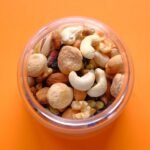
Almonds, walnuts, and other tree nuts contribute both fiber and healthy fats. Their protein content makes them ideal between-meal snacks that support blood sugar stability and appetite control.

Simple Strategies to Boost Your Fiber Intake
Breakfast Transformations
Morning meals offer excellent opportunities to establish fiber-rich habits. Oatmeal topped with berries and ground flaxseed can provide 10+ grams before your day truly begins. Chia pudding prepared overnight becomes a convenient grab-and-go option packed with sustained energy.health
Avocado toast on whole grain bread delivers substantial fiber whilst offering Instagram-worthy presentation. Adding hemp seeds or everything bagel seasoning enhances both nutrition and flavour profiles.health
Smoothie bowls allow creative expression whilst incorporating multiple fiber sources. Spinach, frozen berries, chia seeds, and oat milk blend seamlessly for nutrient-dense morning fuel that supports digestive health throughout the day.
Egg-based dishes gain fiber through strategic vegetable additions. Spinach, mushrooms, bell peppers, and onions transform basic scrambled eggs into fiber-forward meals that satisfy hunger for hours.
Lunch and Dinner Enhancements
Salad building becomes an art form when fiber takes priority. Mixed greens provide the foundation, but chickpeas, sunflower seeds, apple slices, and quinoa create satisfying meals that prevent afternoon energy crashes.ucsfhealth
Soup preparation offers endless possibilities for fiber integration. Lentil soup, vegetable chili, and bean-based stews provide comfort food satisfaction whilst delivering impressive nutritional density. Batch cooking ensures convenient weekday options.
Whole grain substitutions require minimal effort but yield significant benefits. Brown rice instead of white, whole wheat pasta over refined versions, and quinoa as a rice alternative all contribute meaningfully to daily fiber goals.ucsfhealth
Vegetable roasting transforms fiber-rich options into caramelised delicacies. Brussels sprouts, sweet potatoes, carrots, and beets develop complex flavours when properly prepared, making healthy choices genuinely appealing.
Practical Implementation Tips
Gradual Introduction Approach
Fiber increases should occur gradually over 2-3 weeks to prevent digestive discomfort. Starting with 5-gram daily increases allows your digestive system to adapt whilst minimising gas and bloating issues that discourage continued efforts.medicalnewstoday
Hydration increases must accompany fiber additions to prevent constipation. Each additional 10 grams of fiber requires approximately 8-10 additional ounces of water daily for optimal function and comfort.gutscharity
Meal timing matters significantly for fiber tolerance. Spreading intake across multiple meals and snacks prevents overwhelming your digestive capacity whilst maintaining steady energy levels and appetite control.
Individual tolerance varies considerably between people. Some individuals thrive on 40+ grams daily whilst others experience discomfort above 25 grams. Personal experimentation within recommended ranges helps identify your optimal intake level.
Smart Shopping and Meal Prep
Label reading skills become essential for fiber-conscious shopping. Products containing 6+ grams per 100 grams qualify as high-fiber options, whilst 3+ grams represents good sources. These benchmarks guide informed purchasing decisions.gutscharity
Batch cooking maximises meal prep efficiency whilst ensuring fiber availability. Cooked grains, roasted vegetables, and prepared legumes store well for 3-5 days, creating convenient building blocks for quick meal assembly.
Freezer utilisation expands fiber options year-round. Frozen berries, vegetable medleys, and pre-cooked grains maintain nutritional quality whilst offering budget-friendly alternatives to fresh produce during off-seasons.
Snack preparation prevents low-fiber emergency choices. Portion-controlled nuts, cut vegetables with hummus, and homemade trail mix provide satisfying options that support rather than sabotage daily fiber goals.
Frequently Asked Questions
What’s the recommended daily fiber intake for UK adults?
The current UK recommendation stands at 30 grams daily for adults, yet average consumption remains around 19 grams. This significant gap represents a major public health opportunity for improved wellbeing.gutscharity
Can I take fiber supplements instead of eating fiber-rich foods?
Fiber supplements can help bridge gaps, but whole foods provide additional nutrients, antioxidants, and phytochemicals that supplements cannot replicate. Psyllium and methylcellulose represent the most well-tolerated options when supplementation becomes necessary.mayoclinic
Will increasing fiber cause digestive upset?
Gradual increases over 2-3 weeks minimise digestive discomfort. Starting with soluble fiber sources often proves more gentle than insoluble varieties for sensitive individuals. Adequate hydration remains crucial throughout the adjustment period.medicalnewstoday
Which fiber type is most important?
Both soluble and insoluble fibers serve essential functions, making dietary variety more important than focusing on single types. Whole plant foods naturally provide optimal ratios for comprehensive health benefits.healthline
How quickly will I notice fiber’s benefits?
Digestive improvements often appear within days, whilst cholesterol and blood sugar benefits emerge over weeks to months. Weight management effects typically become noticeable within 2-4 weeks of consistent increased intake.healthline
Can children follow high-fiber recommendations?
Children require age-adjusted amounts: 2-5 years need 15g, 5-11 years need 20g, and 11-16 years need 25g daily. Child-friendly sources like fruit smoothies, whole grain cereals, and bean-based dishes make meeting these goals achievable.gutscharity
Embracing fiber as your diet’s best friend transforms both immediate wellbeing and long-term health outcomes. Through strategic food choices, gradual implementation, and creative meal planning, achieving optimal fiber intake becomes an enjoyable journey rather than a dietary chore. Your digestive system, cardiovascular health, and overall vitality will thank you for prioritising this essential nutrient in your daily nutrition strategy.
- https://gutscharity.org.uk/advice-and-information/health-and-lifestyle/fibre-information/
- https://geimshospital.com/blog/fibre-rich-foods-for-health-benefits/
- https://www.healthline.com/nutrition/why-is-fiber-good-for-you
- https://www.healthline.com/health/soluble-vs-insoluble-fiber
- https://www.tatanq.com/how-prebiotic-fiber-supports-a-healthy-gut-microbiome/
- https://pmc.ncbi.nlm.nih.gov/articles/PMC3827018/
- https://www.houstonmethodist.org/blog/articles/2022/sep/7-benefits-of-fiber-that-should-convince-you-to-eat-enough-of-it/
- https://www.health.harvard.edu/nutrition/foods-high-in-fiber-boost-your-health-with-fiber-rich-foods
- https://pmc.ncbi.nlm.nih.gov/articles/PMC6768815/
- https://pmc.ncbi.nlm.nih.gov/articles/PMC10150096/
- https://www.diabetes.org.uk/living-with-diabetes/eating/carbohydrates-and-diabetes/fibre-and-diabetes
- https://med.stanford.edu/news/all-news/2022/04/fiber-supplements.html
- https://pmc.ncbi.nlm.nih.gov/articles/PMC5390821/
- https://www.healthline.com/nutrition/fiber-and-constipation-truth
- https://pmc.ncbi.nlm.nih.gov/articles/PMC3544045/
- https://pmc.ncbi.nlm.nih.gov/articles/PMC11499081/
- https://www.healthline.com/nutrition/22-high-fiber-foods
- https://www.health.com/high-fiber-breakfast-ideas-8550069
- https://www.ucsfhealth.org/education/increasing-fiber-intake
- https://www.medicalnewstoday.com/articles/321286
- https://www.mayoclinic.org/healthy-lifestyle/nutrition-and-healthy-eating/expert-answers/fiber-supplements/faq-20058513
- https://www.otsuka.co.jp/en/health-and-illness/fiber/about/type/
- https://www.medanta.org/patient-education-blog/22-high-fibre-foods
- https://pmc.ncbi.nlm.nih.gov/articles/PMC3614039/
- https://intermountainhealthcare.org/blogs/what-are-the-benefits-of-fiber
- https://en.wikipedia.org/wiki/Dietary_fiber
- https://www.cancer.gov/about-cancer/treatment/side-effects/nutrition/high-fiber-foods
- https://www.mayoclinic.org/healthy-lifestyle/nutrition-and-healthy-eating/in-depth/fiber/art-20043983
- https://pharmeasy.in/blog/high-fibre-foods-to-add-to-your-diet/
- https://medlineplus.gov/ency/article/002136.htm
- https://www.ncbi.nlm.nih.gov/books/NBK559033/
- https://www.webmd.com/diet/compare-dietary-fibers
- https://www.dietaryguidelines.gov/resources/2020-2025-dietary-guidelines-online-materials/food-sources-select-nutrients/food-sources-fiber
- https://pubmed.ncbi.nlm.nih.gov/33096647/
- https://www.mountsinai.org/health-library/special-topic/soluble-vs-insoluble-fiber
- https://www.goodhousekeeping.com/food-recipes/healthy/g63350024/high-protein-high-fiber-meals/
- https://www.bhf.org.uk/informationsupport/heart-matters-magazine/nutrition/fibre
- https://www.goodhousekeeping.com/uk/food/recipes/g65298422/high-protein-high-fiber-meals/
- https://pmc.ncbi.nlm.nih.gov/articles/PMC9298262/
- https://www.delish.com/cooking/recipe-ideas/g64286392/best-high-fiber-recipes/
- https://www.nhs.uk/live-well/eat-well/digestive-health/how-to-get-more-fibre-into-your-diet/
- https://www.eatingwell.com/article/289462/7-day-high-fiber-meal-plan-1200-calories/
- https://www.verywellhealth.com/before-you-buy-fiber-supplements-1941633
- https://www.eatingwell.com/gallery/7956417/high-fiber-lunch-recipes-for-digestion/
- https://www.realsimple.com/high-fiber-lunch-ideas-that-ll-help-power-you-through-your-work-day-8633615
- https://www.bda.uk.com/resource/fibre.html
- https://prodiadigital.com/en/articles/fiber-supplement
- https://www.webmd.com/digestive-disorders/dietary-fiber-the-natural-solution-for-constipation
- https://www.longdom.org/articles/dietary-fiber-and-its-effect-on-obesity-a-review-article-4865.html
- https://www.sciencedirect.com/science/article/pii/S0002916522027022
- https://www.health.harvard.edu/nutrition/prebiotics-understanding-their-role-in-gut-health
- https://www.sciencedirect.com/science/article/abs/pii/S0268005X16303800
- https://www.sciencedirect.com/science/article/pii/S2590097822000209
- https://www.medicalnewstoday.com/articles/322382
- https://www.health.harvard.edu/blog/making-one-change-getting-fiber-can-help-weight-loss-201502177721
- https://www.sciencedirect.com/science/article/pii/S2475299122143787
- https://www.niddk.nih.gov/health-information/digestive-diseases/constipation/eating-diet-nutrition
- https://nutrition.org/dietary-fiber-an-integral-component-of-a-successful-weight-loss-intervention/
- https://www.jeffersonhealth.org/your-health/living-well/prebiotics-versus-probiotics-for-gut-health
- https://www.usenourish.com/blog/high-fiber-meal-plan
- https://www.nationwidechildrens.org/family-resources-education/health-wellness-and-safety-resources/helping-hands/high-fiber-diet
- https://thegoodbug.com/blogs/news/fiber-rich-breakfast-ideas-for-gut-health
- https://www.cancersa.org.au/prevention/lifestyle-factors/diet/how-dietary-fibre-cuts-your-cancer-risk/meal-plan-and-shopping-list/
- https://www.healthline.com/nutrition/16-ways-to-eat-more-fiber
- https://www.verywellhealth.com/high-fiber-breakfast-ideas-that-aren-t-oatmeal-11774784
- https://www.mayoclinic.org/healthy-lifestyle/nutrition-and-healthy-eating/in-depth/high-fiber-foods/art-20050948
- https://www.marthastewart.com/high-fiber-breakfasts-11769450
- https://www.etsy.com/in-en/market/high_fiber_food_list
- https://www.bhf.org.uk/informationsupport/heart-matters-magazine/nutrition/fibre/fibre-swaps
- https://www.eatingwell.com/gallery/8078293/three-step-high-fiber-breakfast-recipes/
- https://www.trifectanutrition.com/health/high-fiber-foods-list-50-items-for-your-grocery-list
- https://ellegourmet.in/healthy-lifestyle/6-healthy-high-fiber-breakfast-recipes-8999791
- https://www.youtube.com/watch?v=vVQhOTKuzfk