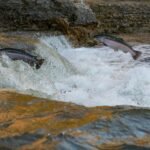
When we think of salmon, we often picture powerful fish leaping up waterfalls or neatly packaged fillets in the supermarket. However, the most critical part of their journey happens out of sight, beneath the smooth stones of riverbeds. The salmon alevin stage is a brief but breathtaking period of larval development that defines the future of wild salmon populations.
If you have ever wondered how a tiny egg transforms into a resilient ocean traveller, the answer lies in this delicate phase. Let’s dive into the fascinating world of alevins, exploring their anatomy, their struggle for survival, and the vital role they play in fresh water ecosystems.
What is the Salmon Alevin Stage?
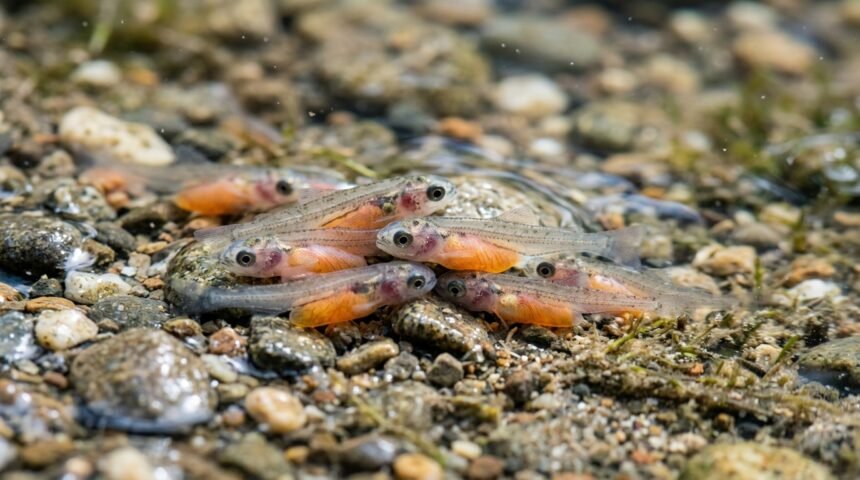
The salmon alevin stage begins the moment a salmon larva hatches from its translucent egg. Unlike adult fish, an alevin does not look much like a salmon at all. They are tiny, fragile, and carry a large, orange yolk sac attached to their underbelly. This sac acts as a “backpack” of nutritional reserves, providing all the protein, fats, and minerals the fish needs to grow without having to hunt for food.
During this period, which typically occurs in the late winter or early spring, the alevins remain buried deep within the gravel beds of the river. This environment, known as a redd, protects them from being swept away by river currents or eaten by hungry predators. Their primary goal is simple: stay hidden and grow.
The Anatomy of an Alevin
To understand the salmon alevin stage, we must look at their unique physiology. Because they cannot swim effectively against current yet, their bodies are designed for predator avoidance and energy conservation. Their most notable feature is the yolk sac, which contains high concentrations of carotenoids, giving it a vibrant orange colour. These pigments are essential for healthy metabolic function during early growth.
As the alevin consumes the nutrients in the sac, its body begins a remarkable metamorphosis. Tiny fins start to develop, and their gills become more efficient at extracting dissolved oxygen from the surrounding water. This transition is a masterclass in aquatic life cycles, ensuring the fish is prepared for the next phase of its life: the fry stage.
Critical Success Factors for Survival
Life beneath the gravel is not without its risks. The success of the salmon alevin stage depends heavily on the health of the spawning grounds. Several environmental factors must be perfectly balanced to ensure these tiny creatures survive to adulthood.
- Water Quality: High levels of dissolved oxygen are non-negotiable. If the gravel becomes clogged with silt or pollution, the alevins can suffocate.
- Temperature: The incubation period is directly tied to water temperature. Cold water slows growth, while excessively warm water can lead to premature hatching or developmental issues, as noted by fisheries experts.
- Substrate Structure: The size of the stones in the gravel beds must be just right—large enough to provide gaps for the alevins to move, but small enough to protect them from larger aquatic predators.
Comparing the Early Life Stages of Salmon
To better understand where the salmon alevin stage fits into the broader timeline, we can compare it to the stages that come immediately before and after.
| Stage | Primary Habitat | Nutrition Source | Mobility |
|---|---|---|---|
| Egg | Buried in the Redd | Internal Yolk | None (Stationary) |
| Alevin | Deep Gravel Layers | Attached Yolk Sac | Limited (Wiggling) |
| Fry | Open River Water | External Foraging | Active Swimming |
The Transition to Fry
As the yolk sac is fully absorbed, the alevin undergoes a “buttoning up” process. This is the signal that the salmon alevin stage is coming to an end. The young fish must now leave the safety of the gravel and swim to the surface to gulp air, which fills their swim bladder and allows them to maintain buoyancy.
This “emergence” is the most dangerous time in a salmon’s life. Now known as fry, they must learn to hunt for microscopic organisms while avoiding a host of predators. According to research published by the Royal Society, the timing of this emergence is crucial to coincide with the spring bloom of food in fresh water ecosystems.
Environmental Threats and Conservation
Unfortunately, wild salmon populations are facing unprecedented challenges. Climate change is altering river temperatures, and habitat destruction is ruining spawning grounds. When the salmon alevin stage is disrupted, it has a ripple effect throughout the entire ecosystem.
Conservation efforts led by organisations like Salmon & Trout Conservation focus on restoring riverbanks and reducing agricultural runoff. By protecting the gravel beds, we ensure that the next generation of salmon has a safe place to begin their journey. Local government agencies, such as the Scottish Environment Protection Agency and UK DEFRA, work tirelessly to monitor water health and regulate activities that could harm these delicate habitats.
How You Can Help
Protecting the salmon alevin stage isn’t just for scientists. Everyday citizens can make a difference by supporting marine conservation efforts and being mindful of local water usage. Reducing the use of pesticides and supporting sustainable fishing practices, as recommended by the IUCN Red List, helps maintain the delicate balance of our rivers.
- Support local river restoration projects through the Wildlife Trusts.
- Reduce plastic waste that can leach harmful chemicals into fresh water ecosystems.
- Educate others about the importance of the aquatic life cycles.
The journey from a tiny alevin to a majestic salmon is one of nature’s most incredible stories. By understanding the salmon alevin stage, we gain a deeper appreciation for the resilience of wildlife and our responsibility to protect the natural world. For more detailed biological insights, you can explore the archives at Britannica or watch educational documentaries via BBC Nature.
Frequently Asked Questions (FAQs)
How long does the salmon alevin stage last?
The duration of the salmon alevin stage varies depending on the species and water temperature. Generally, it lasts between 3 to 8 weeks. During this time, they remain tucked away in the gravel, utilising their nutritional reserves for growth.
What do salmon alevins eat?
Alevins do not “eat” in the traditional sense. They receive all their sustenance from an attached yolk sac. This sac is rich in proteins and fats, allowing them to develop their vital organs and muscles before they need to forage for food in the river. Information on this metabolic process can be found in larval development studies at Cell Press.
Why is the salmon alevin stage so important for the ecosystem?
This stage is a vital link in the food chain and an indicator of river health. Healthy alevin populations suggest high levels of dissolved oxygen and clean water. Furthermore, they are a primary food source for other species once they emerge, supporting the biodiversity of national fish and wildlife habitats.