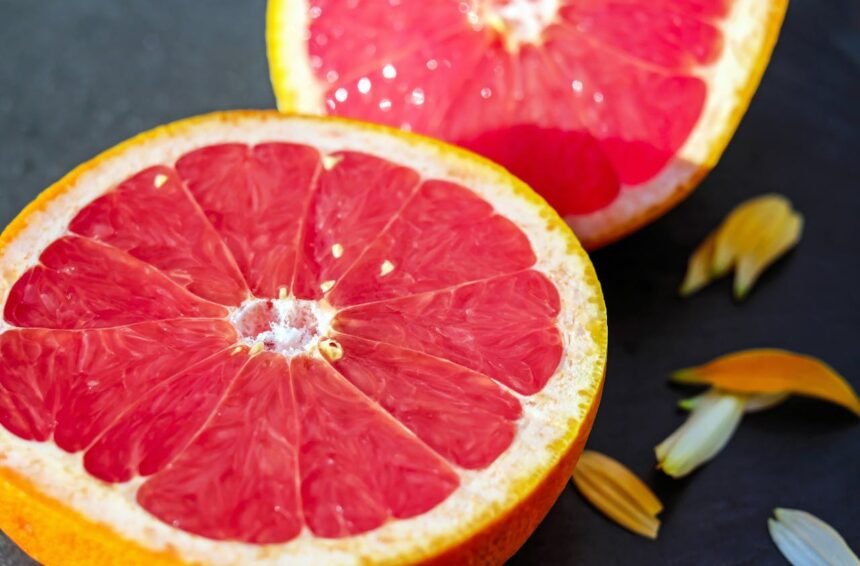
Grapefruit is a subtropical citrus fruit known for its relatively large size, sour to semi-sweet, somewhat bitter flesh, and distinct aroma. For decades, it has been a staple of breakfast tables, often associated with weight loss trends and healthy living. However, beyond the fads, this vibrant fruit offers a robust nutritional profile that can support various aspects of your health.
Adding this fruit to your daily routine can be a refreshing change, yet many people remain unsure of how to eat grapefruit in ways that are both delicious and convenient. Whether you prefer the Ruby Red variety or the tart white grapefruit, understanding the nutritional science and versatility of this fruit is key to enjoying it.
This article explores the evidence-based benefits of grapefruit, important safety considerations regarding medication, and practical, culinary ways to include it in a healthy, balanced diet.
Nutritional Profile: A Closer Look
Grapefruit is incredibly nutrient-dense, meaning it provides a high amount of vitamins and minerals for a relatively low number of calories. It is composed of approximately 88% water, making it an excellent food for hydration.
Here is the nutritional breakdown for half a medium-sized grapefruit (approx. 123 grams):
| Nutrient | Amount | % Daily Value (DV) |
|---|---|---|
| Calories | 52 | – |
| Carbohydrates | 13g | – |
| Fibre | 2g | 8% |
| Protein | 1g | – |
| Vitamin C | 38.4mg | 64% |
| Vitamin A | 71mcg | 28% |
| Potassium | 166mg | 5% |
Source: USDA FoodData Central
In addition to these macronutrients, grapefruit is a potent source of antioxidants, specifically lycopene and beta-carotene (in pink and red varieties) and flavanones, which have anti-inflammatory properties.
Why Eat Grapefruit? Evidence-Based Benefits
Including grapefruit in your diet is not just about low calories; it is about the functional benefits the fruit provides. Research suggests several key areas where regular consumption can boost health.
1. Immune System Support
Citrus fruits are synonymous with Vitamin C, and for good reason. A single serving provides more than half of your daily requirement. Vitamin C is crucial for protecting your cells from harmful bacteria and viruses. Furthermore, the Vitamin A found in grapefruit plays a vital role in reducing inflammation and maintaining the integrity of your skin, which acts as a barrier against infection.
2. Weight Management and Appetite Control
While no single food is a magic bullet for weight loss, grapefruit has properties that aid weight management. Its high water content and fibre levels help promote satiety, meaning you feel fuller for longer.
Some studies indicate that consuming fresh grapefruit before meals may lead to reduced insulin levels, which can assist in weight control. It is a low-calorie density food, allowing you to eat a substantial portion without consuming excessive energy.
3. Heart Health
Heart disease remains a leading cause of mortality globally. Regular consumption of grapefruit may improve heart health by reducing risk factors such as high blood pressure and cholesterol.
The fruit contains potassium, a mineral essential for heart health. Adequate potassium intake is associated with a reduced risk of high blood pressure. Additionally, the fibre in grapefruit—specifically pectin—may help lower LDL (bad) cholesterol levels.
For more on heart-healthy foods, you can visit the British Heart Foundation.
4. Insulin Resistance and Diabetes Management
Grapefruit has a low Glycaemic Index (GI), meaning it does not cause a rapid spike in blood sugar levels. This makes it a suitable fruit option for those managing type 2 diabetes or insulin resistance.
Some research suggests that the naringin found in grapefruit may have properties similar to insulin inhibitors, potentially improving the body’s sensitivity to insulin.
Important Safety Considerations: The Grapefruit Effect
Before discussing how to eat grapefruit, it is critical to address safety. Grapefruit interacts with a wide range of medications.
This occurs because it contains compounds called furanocoumarins, which inhibit the CYP3A4 enzyme in your gut. This enzyme helps your body metabolise (break down) drugs. If the enzyme is blocked, more of the medication enters your bloodstream, which can lead to dangerous side effects or toxicity.
Medications commonly affected include:
- Statins (cholesterol-lowering drugs)
- Calcium channel blockers (blood pressure)
- Immunosuppressants
- Certain anti-anxiety medications
- Corticosteroids
If you are taking prescription medication, it is imperative to consult your GP or pharmacist before adding grapefruit to your diet. For a detailed list of interactions, refer to the Mayo Clinic or the FDA consumer updates.

How to Eat Grapefruit: Preparation and Techniques
If you have cleared the safety check, you might wonder how best to prepare this fruit. The thick rind and bitter pith can be intimidating, but with the right technique, it is easy to enjoy.
The Classic Half-Cut
This is the most traditional method. simply wash the fruit, cut it in half horizontally (through the equator), and use a small serrated knife or a specifically designed grapefruit spoon to scoop out the segments between the membranes.
Tip: If you find it too tart, a light sprinkling of brown sugar or a drizzle of honey can balance the acidity.
Segmenting (Supreming)
To remove the bitter white pith entirely and enjoy pure fruit segments, use the ‘supreme’ method often used by chefs:
- Slice off the top and bottom of the grapefruit so it sits flat on your cutting board.
- Using a sharp knife, follow the curve of the fruit to cut away the skin and the white pith, exposing the flesh.
- Hold the fruit in your hand over a bowl (to catch the juice).
- Carefully cut between the membranes to release the segments into the bowl.
This method is ideal for salads, as it removes the tough texture of the membrane.
Broiled Grapefruit
Warm grapefruit is a delicious twist, especially in colder months.
- Halve the grapefruit.
- Top with a mixture of cinnamon and a small amount of sugar or maple syrup.
- Place under a grill (broiler) for 2–4 minutes until the sugar bubbles and caramelises.
This technique softens the acidity and brings out a dessert-like quality.
Creative Ways to Incorporate Grapefruit into Your Diet
Knowing how to eat grapefruit extends beyond eating it raw. Its acidity makes it a fantastic ingredient in savoury dishes, acting similarly to lemon juice or vinegar to brighten flavours.
1. Citrus and Avocado Salad
The creaminess of avocado pairs perfectly with the tartness of grapefruit. Combine grapefruit segments, sliced avocado, fennel shavings, and fresh mint. Dress with olive oil and a pinch of sea salt. The healthy fats in the avocado also help your body absorb the fat-soluble Vitamin A from the grapefruit.
2. Fish and Poultry Marinades
Grapefruit juice contains enzymes that can help tenderise meat. Use freshly squeezed juice mixed with garlic, soy sauce, and ginger as a marinade for chicken or white fish. Alternatively, serve a grapefruit salsa (diced fruit, red onion, chilli, coriander) over grilled salmon.
3. Smoothies
Adding peeled grapefruit to a smoothie provides a zesty kick. It pairs well with sweeter fruits that balance its bitterness. Try blending:
- Half a grapefruit (peeled)
- One banana (frozen)
- A handful of spinach
- A splash of almond milk or water
This combination ensures you get a fibre boost without an overpowering bitter taste.
4. Breakfast Parfaits
Layer Greek yoghurt with grapefruit segments and granola. The protein in the yoghurt combined with the fibre in the fruit makes for a satiating breakfast that stabilises blood sugar levels throughout the morning.
Selection and Storage Tips
To get the most out of your fruit, you must know what to look for at the supermarket.
- Weight: Choose fruits that feel heavy for their size. This indicates a higher water content and juiciness.
- Skin: The skin should be smooth and thin. Minor scratches or discolouration on the skin usually do not affect the quality of the flesh inside. Avoid fruit with soft spots or water-soaked areas at the stem.
- Shape: Fruits with a slightly flattened top and bottom often have thinner skin and more flesh than perfectly round ones.
Storage:
Grapefruit can be stored at room temperature for up to a week, which allows them to yield more juice. For longer storage, keep them in the crisping drawer of your fridge, where they can last for 2–3 weeks. For more on fruit storage and reducing waste, consult the NHS Eatwell Guide.
Practical Tips for Success
- Temperature Matters: If you plan to juice the grapefruit, roll it firmly on the counter with your palm for a few seconds before cutting. Room-temperature fruit yields more juice than cold fruit.
- Manage the Tartness: If the flavour is too intense, try sprinkling a tiny amount of salt on the fruit. Paradoxically, salt blocks the bitterness receptors on the tongue better than sugar, making the fruit taste sweeter.
- Hydration: Due to its high water content, eating grapefruit after a workout can help replenish fluids and electrolytes. You can read more about hydration strategies at Medical News Today.
The Bottom Line
Grapefruit is a nutritional powerhouse that can support your immune system, aid in weight management, and improve heart health. Whether you scoop it, segment it, or grill it, learning how to eat grapefruit opens up a variety of culinary possibilities that prevent healthy eating from becoming boring.
However, the potential for drug interactions is significant. Always check with your healthcare provider before making it a regular part of your diet if you take prescription medications.
By choosing heavy, ripe fruits and incorporating them into salads, smoothies, or savoury dishes, you can enjoy the zesty flavour and robust health benefits of this unique citrus fruit.
For more information on healthy eating habits, visit Healthline’s nutrition section.
Additional Resources: