Are you seeking a dynamic, full-body workout that combines physical challenge with the tranquility of nature? Look no further than rowboat fitness. Far more than just a leisurely paddle, rowboat fitness offers a comprehensive exercise regimen that engages nearly every major muscle group, boosts cardiovascular health, and provides a unique mental escape. For beginners, the idea of venturing onto the water might seem daunting, but with the right guidance, getting started is an accessible and incredibly rewarding experience. This practical guide will navigate you through the essentials, from understanding the benefits to selecting your gear and mastering basic techniques, ensuring a smooth and enjoyable entry into the invigorating world of rowing.
Why Choose Rowboat Fitness? Unpacking the Benefits
Rowboat fitness stands out in the vast landscape of exercise options, offering a unique blend of physical prowess and serene surroundings. Its appeal lies not just in the scenic views but in the profound impact it has on your overall well-being.
A Full-Body Powerhouse
One of the most compelling reasons to embrace rowboat fitness is its ability to deliver a truly full-body workout. Unlike many exercises that isolate specific muscle groups, rowing simultaneously engages your legs, core, back, and arms. The powerful leg drive activates your quadriceps and glutes, while the pull through the stroke recruits your latissimus dorsi, rhomboids, and biceps. Your core muscles are constantly working to stabilize your body and transfer power efficiently. This comprehensive engagement makes rowing an incredibly efficient exercise, as highlighted by experts at the American Council on Exercise (ACE).
Cardiovascular Health and Endurance
As an aerobic exercise, rowboat fitness is exceptional for building cardiovascular health and endurance. Regular rowing sessions elevate your heart rate, strengthening your heart muscle and improving blood circulation. This leads to increased stamina, reduced risk of heart disease, and enhanced lung capacity. The rhythmic, continuous motion allows for sustained periods of elevated heart rate, making it an excellent way to boost your overall fitness levels. The robust heart-healthy advantages are frequently cited by medical institutions like the Mayo Clinic.
Low-Impact, High-Reward
For those concerned about joint stress, rowboat fitness offers a significant advantage: it’s a low-impact exercise. The smooth, gliding motion of rowing minimizes jarring impacts on your knees, hips, and ankles, making it suitable for individuals of almost any age or fitness level, including those recovering from injuries or managing conditions like arthritis. This gentle yet effective approach ensures you can achieve a high-intensity workout without the wear and tear associated with high-impact activities. Information on the benefits of low-impact physical activity can be found from sources such as the Arthritis Foundation.
Mental Well-being and Stress Reduction
Beyond the physical, rowboat fitness offers profound mental health benefits. Being out on the water, surrounded by nature, provides a unique opportunity for mindfulness and stress reduction. The rhythmic stroke can be meditative, helping to clear your mind and reduce anxiety. The fresh air and natural environment contribute to an overall sense of peace and well-being, proving that exercise in nature is a powerful tool for improving mental health.
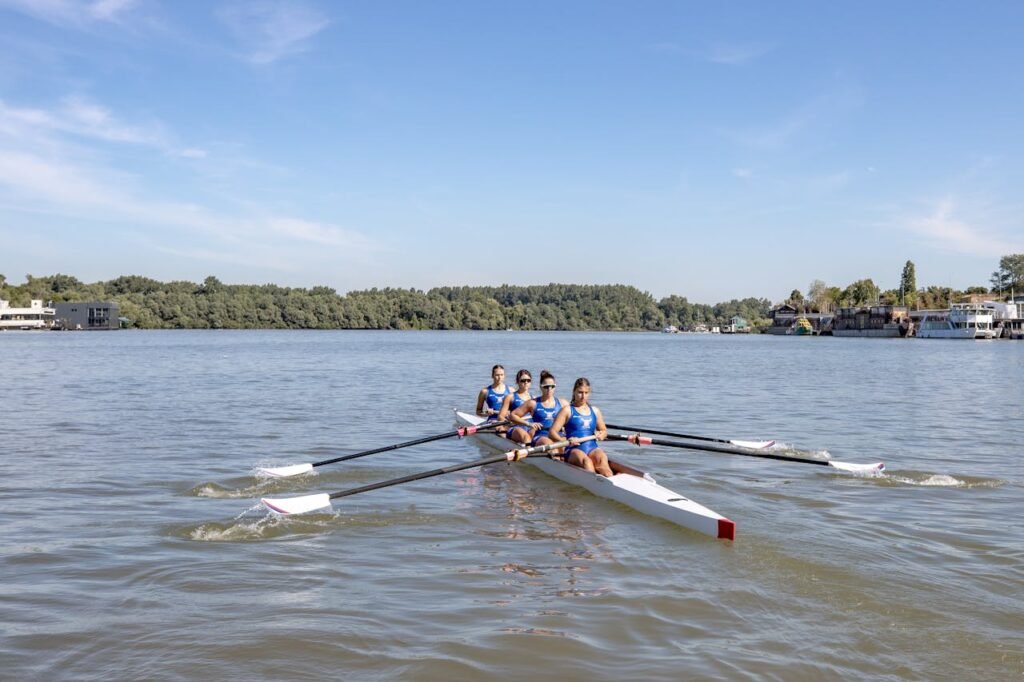
Essential Gear for Your Rowboat Fitness Journey
Embarking on your rowboat fitness adventure requires more than just enthusiasm. Equipping yourself with the right gear ensures safety, comfort, and an optimal experience.
Choosing Your Vessel: Types of Rowboats
The world of rowboats is diverse, offering options for various skill levels and purposes. For beginners in rowboat fitness, understanding the differences is key.
| Rowboat Type | Description | Beginner Friendliness | Stability | Speed Potential | Cost Range (Beginner) |
|---|---|---|---|---|---|
| Recreational Sculls | Single or double sculls designed for stable, smooth rowing. Often wider than racing shells. | High | Medium-High | Medium | Moderate-High |
| Recreational Rowboats | Broader, more stable boats like dories or dinghies, suitable for touring. | High | High | Low-Medium | Low-Moderate |
| Fixed-Seat Rowboats | Traditional rowboats where the rower doesn’t slide. Focus on upper body. | Medium | High | Low | Low-Moderate |
For those just starting, focusing on recreational sculls or stable recreational rowboats is often best. These provide a good balance of stability and performance without the high demands of competitive racing shells. You can learn more about the various types of rowing boats through comprehensive resources.
Personal Safety Equipment
Safety on the water is paramount. Never compromise on these essential items:
- Life Jacket (Personal Flotation Device – PFD): This is non-negotiable. Always wear a properly fitted PFD, even if you are a strong swimmer. The U.S. Coast Guard provides detailed guidance on choosing the right PFD.
- Whistle: Attach a whistle to your PFD. It’s crucial for signaling for help or alerting other vessels to your presence.
- Lighting (for dawn/dusk): If you’re rowing outside daylight hours, navigational lights are legally required and vital for visibility.
- Bailer or Sponge: Essential for removing any water that gets into your boat.
Apparel and Accessories
Comfort and protection from the elements will significantly enhance your rowboat fitness experience.
- Moisture-Wicking Clothing: Opt for athletic wear that wicks sweat away from your body. Avoid cotton, which stays wet and can make you cold.
- Sun Protection: A wide-brimmed hat, sunglasses, and high-SPF waterproof sunscreen are crucial to protect against UV rays.
- Water Bottle: Staying hydrated is key, especially during longer sessions.
- Basic First-Aid Kit: A small, waterproof kit for minor cuts or scrapes.
- Waterproof Bag: To keep your phone, keys, and other essentials dry.
Mastering the Basics: Technique and Safety
A solid foundation in rowing technique and a vigilant approach to safety are the cornerstones of effective and enjoyable rowboat fitness.
Understanding the Rowing Stroke
The rowing stroke is a continuous, fluid motion divided into four main phases:
- The Catch: At the front of the boat, shins vertical, arms extended, core engaged. This is where the blade enters the water.
- The Drive: This is the power phase. Push off with your legs first, then swing your back, and finally pull with your arms. Think of it as an explosion from your legs, driving your body back.
- The Finish: Legs are extended, back is leaning slightly back, and the oar handle is drawn to your lower ribs. The blade exits the water.
- The Recovery: A controlled return to the catch position. Arms extend first, then the body pivots forward, and finally, the legs bend, allowing the seat to slide forward.
Focus on connecting these phases smoothly. The power should primarily come from your legs (60%), followed by your core (20%), and finally your arms (20%). Learning proper rowing technique is vital to prevent injury and maximize efficiency, and resources like those from USRowing can provide excellent visual and textual guidance.
Essential Safety Protocols on the Water
Even on calm waters, vigilance is key.
- Check Weather Conditions: Before heading out, always check the forecast for wind, storms, and water conditions.
- Tell Someone Your Float Plan: Inform a reliable person of your planned route, estimated return time, and location.
- Stay Aware of Your Surroundings: Be mindful of other boats, swimmers, docks, and potential hazards like submerged logs.
- Understand Traffic Patterns: On popular waterways, there might be established traffic rules. Learn and follow them.
- Know Basic Self-Rescue: Practice re-entering your boat if you capsize in a safe, controlled environment.
- Stay Hydrated and Nourished: Bring enough water and a small snack for longer outings.
- General water safety tips are available from organizations like the American Red Cross.
Finding Instruction
While online videos can offer a glimpse into rowing technique, hands-on instruction is invaluable for beginners.
- Local Rowing Clubs: Many clubs offer beginner classes or “learn-to-row” programs. This is often the best way to get started, providing access to equipment and expert coaching.
- Certified Instructors: Look for private instructors who specialize in recreational rowing.
- Community Boathouses: Some communities have public boathouses where you can rent equipment and receive basic instruction.
Crafting Your Beginner Rowboat Fitness Plan
Once you have the gear and a grasp of the basics, it’s time to integrate rowboat fitness into your regular fitness routine.
Starting Slow and Building Endurance
As a beginner, consistency and proper form are more important than speed or distance.
- Frequency: Aim for 2-3 sessions per week.
- Duration: Start with 20-30 minute sessions. This allows you to focus on technique without over-fatiguing.
- Warm-up: Always begin with 5-10 minutes of light cardio and dynamic stretches.
- Cool-down: End with 5-10 minutes of static stretching.
- Focus on Form: Prioritize a smooth, efficient stroke over trying to row fast. Speed will come naturally with improved technique and endurance.
Incorporating Variety
To keep your workouts engaging and continue challenging your body, introduce variety as you progress.
- Vary Your Routes: Explore different waterways or sections of the same body of water.
- Interval Training: Once you have a solid endurance base, incorporate short bursts of higher intensity followed by recovery periods. For example, row hard for 1 minute, then easy for 2 minutes, repeating several times.
- Cross-Training: Supplement your rowing with other activities like strength training, yoga, or cycling to build overall strength and flexibility.
Listening to Your Body
Always pay attention to how your body feels. Rowboat fitness is rewarding, but overtraining can lead to injuries or burnout.
- Rest and Recovery: Allow adequate rest days between sessions for muscle recovery.
- Hydration and Nutrition: Fuel your body properly before and after workouts.
- Don’t Push Through Pain: If you experience sharp or persistent pain, stop and assess. Consult a healthcare professional if necessary. The general guidelines for physical activity from the Centers for Disease Control and Prevention emphasize the importance of listening to your body.
Overcoming Common Beginner Challenges
Starting any new fitness endeavor comes with its hurdles. Rowboat fitness is no exception, but with a little perseverance, these can be easily overcome.
- Balance and Coordination: Initially, the rocking motion of a boat can feel unstable. This improves rapidly with practice. Start in a very stable boat and calm water.
- Muscle Soreness: Expect some initial soreness, especially in your core and legs, as these muscles adapt to new demands.
- Time Commitment: Finding consistent time can be tricky. Try scheduling your sessions like important appointments.
- Finding Accessible Waterways: Depending on your location, finding suitable, safe, and easily accessible water for rowing might be a challenge. Online maps, local parks and recreation departments, and boating communities can help locate ideal spots, allowing you to enjoy the full benefits of outdoor recreation.
Frequently Asked Questions (FAQ)
Q1: Is rowboat fitness suitable for all ages?
Yes, absolutely! Due to its low-impact nature and adaptability, rowboat fitness is suitable for a wide range of ages, from teenagers to seniors. It’s gentle on joints while providing an excellent workout.
Q2: How much does it cost to get started with rowboat fitness?
Initial costs can vary. Joining a local rowing club often includes boat rental and coaching fees, which might range from $50-$200 per month depending on the club and program. Purchasing your own recreational rowboat can be a significant investment, starting from a few hundred dollars for used, basic models to several thousand for new, specialized sculls. Essential safety gear (life jacket, whistle) is a relatively small investment.
Q3: What’s the difference between rowboat fitness and indoor rowing machines?
While indoor rowing machines (ergometers) mimic the rowing motion and provide a fantastic workout, rowboat fitness offers the added dimensions of being outdoors, navigating actual water, and engaging with natural elements. The dynamic environment of outdoor rowing requires more balance, coordination, and awareness of weather and water conditions, providing a different mental and physical challenge.
Q4: How often should a beginner row for fitness?
For beginners, starting with 2-3 sessions per week, each lasting 20-30 minutes, is ideal. This allows your body to adapt to the new movements and build endurance without overtraining. As your fitness improves, you can gradually increase the duration and frequency of your sessions.
Conclusion
Embarking on your journey with rowboat fitness is an investment in a healthier, more adventurous lifestyle. It’s an unparalleled way to build strength, enhance cardiovascular health, and find peace on the water. By understanding the equipment, mastering the fundamentals of technique, prioritizing safety, and gradually building your fitness plan, you’ll soon be confidently gliding across the water, harnessing the power of a full-body workout while immersing yourself in the beauty of nature. So, don’t hesitate – the water awaits. Grab your oars, embrace the challenge, and discover the profound rewards of rowboat fitness.