In an era increasingly focused on holistic well-being, the pursuit of effective yet gentle solutions for chronic discomfort has propelled natural remedies to the forefront of discussion among health professionals and patients alike. While conventional pharmaceuticals offer potent relief, a growing body of evidence supports the integration of time-honored natural approaches for sustainable pain management. Among these, Golden Milk, a vibrant concoction rooted in Ayurvedic tradition, stands out as a powerful candidate, largely owing to the anti-inflammatory prowess of its star ingredient: turmeric.
This article delves into the scientific underpinnings of Golden Milk, exploring how its key components—especially turmeric—contribute to mitigating inflammation and offering a complementary pathway in the broader spectrum of natural remedies for pain. We aim to provide a comprehensive, authoritative perspective for professionals seeking to understand and potentially incorporate this ancient remedy into modern wellness strategies.
The Ancient Elixir: What is Golden Milk?
Golden Milk, also known as turmeric latte, is a warm, soothing beverage typically made with milk (dairy or plant-based), turmeric, and other spices like ginger, cinnamon, and black pepper. Its origins trace back thousands of years to Ayurveda, the traditional Indian system of medicine, where it was revered for its medicinal properties and restorative effects. Traditionally, it was prescribed for a variety of ailments, ranging from colds and coughs to digestive issues and, critically, for its anti-inflammatory and pain-relieving qualities.
The concept of a “turmeric milk drink” has permeated various cultures, adapting to local tastes while retaining its core therapeutic intent. Its recent surge in popularity in Western health circles underscores a renewed appreciation for these potent natural remedies.
Turmeric’s Golden Core: The Science of Curcumin
At the heart of turmeric’s therapeutic potential lies curcumin, a polyphenol responsible for the spice’s distinctive yellow-orange hue. Curcumin is not just a pigment; it’s a potent bioactive compound with a wide array of pharmacological properties, notably its significant anti-inflammatory and antioxidant effects.
Unpacking Curcumin’s Anti-inflammatory Mechanisms
The efficacy of curcumin as an anti-inflammatory agent is well-documented in numerous scientific studies. Unlike many conventional anti-inflammatory drugs that target specific pathways, curcumin appears to act on multiple molecular targets involved in inflammation. Key mechanisms include:
Inhibition of NF-κB: Nuclear factor kappa-light-chain-enhancer of activated B cells (NF-κB) is a protein complex that controls transcription of DNA, cytokine production, and cell survival. It plays a crucial role in regulating the immune response to infection and inflammation. Curcumin has been shown to suppress the activation of NF-κB, thereby reducing the expression of pro-inflammatory genes and proteins. Research published by the National Center for Biotechnology Information (NCBI) consistently highlights curcumin’s ability to modulate this critical pathway.
Modulation of COX-2 and LOX Enzymes: Cyclooxygenase-2 (COX-2) and lipoxygenase (LOX) are enzymes that produce inflammatory mediators like prostaglandins and leukotrienes. Many non-steroidal anti-inflammatory drugs (NSAIDs) work by inhibiting COX enzymes. Curcumin has demonstrated the ability to inhibit both COX-2 and LOX, providing a broad-spectrum anti-inflammatory effect without the gastrointestinal side effects often associated with traditional NSAIDs. A comprehensive review by Examine.com delves deeper into these specific mechanisms.
Suppression of Pro-inflammatory Cytokines: Curcumin also helps to reduce the production of various pro-inflammatory cytokines, such as tumor necrosis factor-alpha (TNF-α), interleukin-1 beta (IL-1β), and interleukin-6 (IL-6). These cytokines are crucial mediators of chronic inflammation and pain.
Bioavailability: The Role of Black Pepper
While curcumin’s benefits are profound, its poor bioavailability has been a significant challenge. Curcumin is not easily absorbed into the bloodstream and is rapidly metabolized. This is where black pepper (specifically piperine, its active compound) becomes a critical component of Golden Milk. Piperine has been shown to significantly enhance the absorption of curcumin by inhibiting various metabolic enzymes, thereby allowing more curcumin to enter systemic circulation and exert its therapeutic effects. This synergistic relationship is a cornerstone of why Golden Milk is more effective than turmeric alone. A detailed explanation of piperine’s mechanism can be found on Wikipedia’s entry for Piperine.
Golden Milk: A Holistic Approach to Pain Management
The collective anti-inflammatory and antioxidant properties of Golden Milk’s ingredients offer a compelling natural strategy for various types of pain.
Addressing Inflammatory Conditions
Many chronic pain conditions, such as arthritis, fibromyalgia, and inflammatory bowel disease, have an underlying inflammatory component. For individuals suffering from these conditions, Golden Milk may offer symptomatic relief by reducing systemic inflammation.
- Osteoarthritis and Rheumatoid Arthritis: Studies have indicated that curcumin can alleviate pain and improve function in patients with osteoarthritis, often comparable to conventional NSAIDs but with fewer side effects. Its anti-inflammatory action targets the joint inflammation responsible for much of the pain and stiffness.
- Muscle Soreness and Exercise-Induced Pain: The anti-inflammatory effects of turmeric can also be beneficial in reducing post-exercise muscle soreness and accelerating recovery, making it an excellent post-workout recovery drink.
Beyond Inflammation: Antioxidant and Analgesic Properties
Beyond direct anti-inflammatory action, turmeric and its companion spices contribute to pain management through other mechanisms:
- Antioxidant Power: Chronic pain is often associated with oxidative stress, which can damage cells and tissues. Turmeric’s potent antioxidant properties help neutralize free radicals, thereby reducing cellular damage and inflammation.
- Mild Analgesic Effects: Some research suggests curcumin may have direct pain-relieving effects, potentially by influencing pain pathways in the central nervous system.
Complementary Ingredients: A Symphony of Healing
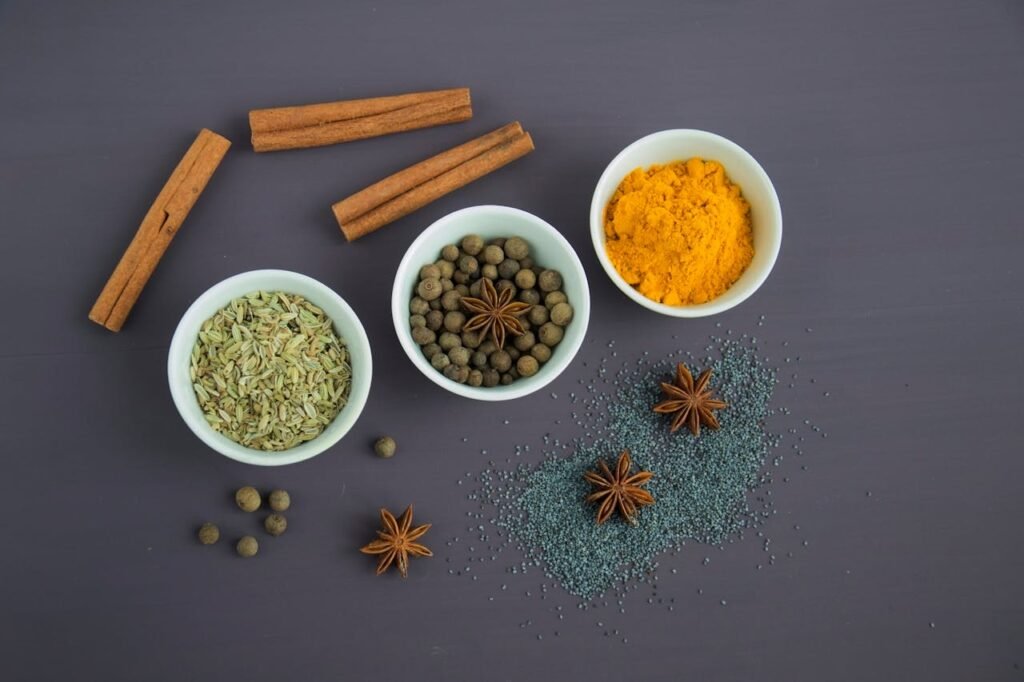
The other common ingredients in Golden Milk are not merely for flavor; they possess their own therapeutic benefits that complement turmeric’s actions:
- Ginger: Another root renowned in natural remedies, ginger contains gingerols and shogaols, compounds with potent anti-inflammatory and analgesic properties. It can further help with digestive comfort and provide additional pain relief, as highlighted by Harvard Health Publishing.
- Cinnamon: Known for its antioxidant and anti-inflammatory properties, cinnamon can help stabilize blood sugar levels and may contribute to overall systemic inflammation reduction. Its potential benefits are explored by authoritative sources like WebMD.
- Milk (Dairy or Plant-Based): Provides a nourishing base and fats that can further aid in the absorption of curcumin, as curcumin is fat-soluble.
Integrating Golden Milk into Your Wellness Routine
Embracing Golden Milk as part of a pain management strategy involves understanding its preparation, consistent consumption, and considerations for individual health profiles.
Preparation and Dosage
A basic recipe for Golden Milk includes:
- 1 cup milk (dairy, almond, coconut, oat)
- 1 teaspoon ground turmeric
- ½ teaspoon ground ginger
- ¼ teaspoon ground cinnamon
- Pinch of black pepper
- Optional: Honey or maple syrup to taste, a dash of coconut oil for extra fat and flavor.
Gently heat all ingredients in a saucepan until warm, but do not boil. Strain if desired. For consistent therapeutic benefits, daily consumption is often recommended, particularly in the evening to aid relaxation and capitalize on its overnight anti-inflammatory effects.
Important Considerations and Precautions
While generally safe for most individuals, Golden Milk (and high-dose turmeric supplements) may not be suitable for everyone.
- Blood Thinners: Turmeric has mild anticoagulant properties, so individuals on blood-thinning medications should consult their physician.
- Gallbladder Issues: Turmeric can stimulate bile production, which may exacerbate symptoms in individuals with gallbladder conditions.
- Pregnancy and Lactation: Consult a healthcare professional before regular consumption.
- Medication Interactions: As with any potent natural remedy, discuss with your doctor if you are on prescription medications to avoid potential interactions.
- Quality of Ingredients: Opt for organic, high-quality spices to minimize exposure to pesticides and ensure maximum potency.
Comparing Anti-inflammatory Natural Remedies
To put Golden Milk’s role into perspective, it’s useful to consider how its primary anti-inflammatory compound, curcumin, stacks up against other well-regarded natural anti-inflammatory agents.
| Natural Compound | Primary Source | Key Mechanism of Action | Best Known For | Role in Pain Management |
|---|---|---|---|---|
| Curcumin | Turmeric | Inhibits NF-κB, COX-2, LOX; antioxidant | Systemic inflammation, arthritis, digestive health | Chronic pain, joint pain, muscle soreness |
| Gingerols | Ginger | Inhibits COX-2, LOX; anti-emetic | Nausea, digestion, inflammation | Arthritis, menstrual pain, muscle pain |
| Omega-3 Fatty Acids | Fatty fish, flaxseed oil | Reduces prostaglandin E2, leukotriene B4 | Heart health, brain function, inflammation | Joint pain, inflammatory diseases |
| Bromelain | Pineapple | Proteolytic enzyme, reduces pro-inflammatory mediators | Swelling, bruising, digestion | Post-surgical pain, arthritis |
| Quercetin | Onions, apples | Antioxidant, stabilizes mast cells, inhibits COX/LOX | Allergies, cardiovascular health, inflammation | Allergic inflammation, joint discomfort |
This table illustrates that while curcumin is a powerhouse, a holistic approach to pain management often benefits from a diverse intake of anti-inflammatory compounds found in various natural remedies.
Frequently Asked Questions (FAQ)
Q1: How long does it take for Golden Milk to show effects for pain management?
A1: The timeline can vary depending on the individual, the severity of the pain, and consistency of consumption. Some individuals may feel subtle relief within a few days, while for chronic conditions, it might take several weeks of regular intake to observe noticeable improvements. It’s often viewed as a long-term supportive therapy rather than an immediate painkiller.
Q2: Can Golden Milk replace my prescribed pain medication?
A2: Golden Milk should generally be considered a complementary therapy, not a substitute for prescribed pain medication without professional medical advice. Always consult your doctor before making any changes to your medication regimen. It can work synergistically with conventional treatments, potentially reducing the need for higher doses or offering additional relief.
Q3: Are there any side effects of drinking Golden Milk daily?
A3: When consumed in moderation as part of a healthy diet, Golden Milk is generally well-tolerated. High doses of turmeric or curcumin supplements can sometimes lead to mild digestive upset (nausea, diarrhea) in sensitive individuals. As mentioned, those on blood thinners or with gallbladder issues should exercise caution and consult a healthcare provider.
Q4: Can children drink Golden Milk for pain or inflammation?
A4: For children, it’s best to consult a pediatrician before incorporating Golden Milk into their regular diet, especially for medicinal purposes. While the ingredients are generally safe, dosages and potential interactions might differ for younger age groups.
Conclusion
Golden Milk represents a remarkable confluence of tradition and scientific validation, positioning itself as a potent tool within the arsenal of natural remedies for pain management. The anti-inflammatory power of turmeric, bolstered by the synergistic effects of black pepper, ginger, and cinnamon, offers a gentle yet effective approach to mitigate chronic pain and inflammation. For professionals and individuals alike, understanding the mechanisms and appropriate integration of Golden Milk can unlock a valuable complementary pathway to holistic wellness and enhanced quality of life. As research continues to unfold, the golden glow of this ancient elixir promises to illuminate new avenues in the pursuit of natural health solutions.