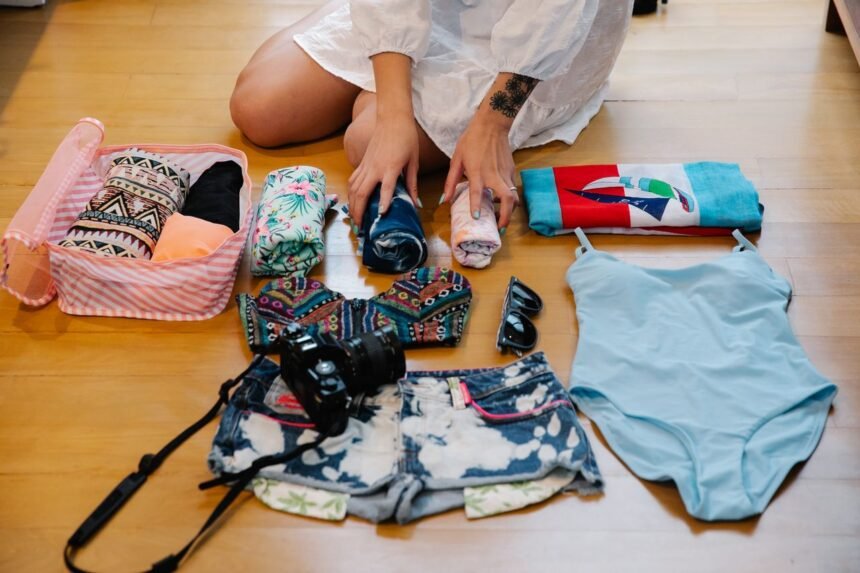
There is nothing quite like the feeling of warm sand between your toes and the rhythmic sound of crashing waves. However, a perfect day at the coast can quickly turn uncomfortable if you realise you have forgotten the basics. Whether you are heading to the British seaside or a tropical getaway, having a comprehensive beach packing list is the key to a relaxing experience.
Preparation isn’t just about convenience; it is about health and safety. From maintaining hydration to ensuring UV protection, what you put in your bag matters. This guide breaks down the beach essentials you need to stay safe, comfortable, and eco-conscious while enjoying the sun.
Sun Protection and Skin Health
Sun safety should be your top priority. According to the NHS, sunburn can increase your risk of skin cancer later in life. When choosing a sunscreen, look for “broad-spectrum” labels to protect against both UVA and UVB rays.
- Broad-spectrum sunscreen: Aim for SPF 30 or higher.
- Lip balm with SPF: Your lips are highly sensitive to sun damage.
- After-sun lotion: Use products with aloe vera to soothe skin after exposure.
- Sunglasses: Ensure they have 100% UV protection to guard your eyes.
The British Skin Foundation recommends applying sunscreen 20 minutes before heading outdoors and re-applying every two hours, especially after swimming. If you plan on entering the water, consider using a reef-safe sunscreen to protect marine ecosystems. Many traditional sunscreens contain chemicals like oxybenzone that can harm coral reefs, as highlighted by the Marine Conservation Society.
Clothing and Comfort Essentials
Choosing the right fabrics can make a significant difference in how you handle the heat. Lightweight, breathable materials like cotton and linen allow air to circulate, keeping your body temperature regulated. The World Health Organization advises staying in the shade during peak hours to prevent heat-related illnesses.
- Sun hat: A wide-brimmed hat offers better protection for your neck and ears than a standard cap.
- Cover-up: A lightweight kaftan or linen shirt is perfect for moving between the sand and the seaside café.
- Flip-flops or water shoes: Protect your feet from scorching sand and sharp shells.
- Change of clothes: Nothing beats the feeling of putting on dry, clean clothes for the journey home.
Towel Comparison: Cotton vs Microfiber
When refining your beach packing list, the type of towel you bring can impact your luggage weight and drying time. Below is a comparison to help you decide.
| Feature | Standard Cotton Towel | Microfiber Towel |
|---|---|---|
| Drying Speed | Slow | Very Fast |
| Sand Resistance | Traps sand in loops | Sand shakes off easily |
| Bulkiness | High (takes up bag space) | Low (compact/foldable) |
| Absorbency | Very high | Moderate to high |
A microfiber towel is often the preferred choice for frequent travellers due to its space-saving properties and ability to dry rapidly.
Electronics and Gear
In the digital age, we often carry expensive gadgets to the shore. Protecting them from salt, sand, and water is vital. National Geographic notes that plastic waste is a growing concern, so try to choose reusable protective gear over single-use plastic bags.
- Waterproof phone case: Allows you to take photos near the water without worry.
- Portable charger: Heat can drain battery life faster than usual.
- Dry bag: Essential for keeping your wallet, keys, and electronics moisture-free.
- Bluetooth speaker: (Please check local beach regulations and respect other visitors).
Health, Hydration, and Safety
Staying hydrated is the most effective way to prevent heatstroke. According to the Mayo Clinic, symptoms of dehydration include extreme thirst, dizziness, and fatigue. An insulated water bottle will keep your drinks cold for hours, even in direct sunlight.
When it comes to snacks for the beach, opt for hydrating fruits like watermelon or oranges, and avoid overly salty foods that can increase thirst. Safety also extends to the water itself; always check for RNLI flags and be aware of rip currents. Understanding ocean safety is just as important as what is in your bag.
Don’t forget a basic first aid kit. The British Red Cross suggests including plasters, antiseptic wipes, and tweezers for stings or splinters. For more detailed sun protection advice, Harvard Health provides an excellent resource on staying safe under the sun.
Eco-Friendly Beach Tips
We all have a responsibility to keep our shorelines clean. Investing in eco-friendly beach gear helps reduce the impact of tourism on natural habitats. The Blue Flag programme promotes sustainable boating and beach management worldwide.
- Carry a reusable mesh bag for collecting litter or seashells.
- Use biodegradable wet wipes.
- Avoid single-use plastics by bringing your own cutlery and containers.
- Check the Met Office UV Index before you leave to plan your shade requirements.
If you are exploring local flora, the National Trust offers guides on how to enjoy the coast without disturbing wildlife. For general swimming safety, the CDC provides guidelines on avoiding recreational water illnesses. If you or someone in your group starts feeling unwell, knowing how to spot heat exhaustion through resources like St John Ambulance is invaluable.
Frequently Asked Questions (FAQs)
What is the most important item on a beach packing list?
While subjective, broad-spectrum sunscreen is arguably the most critical item. It protects your skin from immediate burns and long-term DNA damage. Following sun safety advice from Cancer Research UK is essential for anyone spending the day outdoors.
How do I keep my phone from overheating?
Keep your phone in a dry bag and place it in the shade, such as under a towel or inside a cool bag. Avoid leaving electronics in direct sunlight or in a hot car, as high temperatures can permanently damage the battery.
Why should I use reef-safe sunscreen?
Conventional sunscreens often contain oxybenzone and octinoxate, which can bleach coral reefs and harm marine life. Switching to mineral-based sunscreens (zinc oxide or titanium dioxide) helps preserve our oceans for future generations.
Is it necessary to bring a first aid kit to the beach?
Yes. Minor cuts from shells, stings from jellyfish, or scrapes on rocks are common. Having a first aid kit with antiseptic and bandages ensures small injuries don’t ruin your day.