In an era increasingly focused on holistic wellness and preventative health, the spotlight often turns to natural remedies that have stood the test of time. Among these, Ocimum sanctum, commonly known as Tulsi or Holy Basil, emerges as a plant of profound significance. Revered in Ayurvedic medicine for thousands of years, Tulsi is celebrated not just for its spiritual symbolism but, more importantly, for its robust therapeutic properties. This esteemed herb, frequently consumed as a tulsi leaf chew or brewed into a soothing tea, holds a unique place in the pantheon of adaptogenic herbs, primarily due to its remarkable ability to modulate the immune system.
This comprehensive exploration delves into the scientific underpinnings of Tulsi’s immunomodulatory benefits, examining how this ancient natural remedy fortifies the body’s defenses, mitigates stress, and promotes overall physiological balance. For professionals seeking evidence-based insights into botanical medicine, understanding Tulsi’s complex mechanisms offers a compelling case for its continued integration into modern health protocols.
The Historical Tapestry of Tulsi: From Sacred Herb to Medicinal Powerhouse
Tulsi’s roots are deeply embedded in the cultural and religious fabric of India, where it is considered a sacred plant, often cultivated in household courtyards and worshipped daily. Beyond its spiritual reverence, ancient Ayurvedic texts, dating back over 3,000 years, meticulously document Tulsi’s extensive medicinal applications. It has been traditionally used to address a myriad of ailments, ranging from common colds and coughs to stress and inflammation. The term “elixir of life” or “queen of herbs” often accompanies its mention, underscoring its broad spectrum of health-promoting attributes.
The traditional wisdom surrounding Tulsi’s efficacy laid the groundwork for modern scientific inquiry. Researchers have, in recent decades, begun to systematically unravel the biochemical pathways and active compounds responsible for its time-honored reputation as a potent healing agent. This synergy of ancient wisdom and contemporary science paints a compelling picture of Tulsi as a truly remarkable natural remedy.
Deciphering Tulsi’s Immunomodulatory Actions: A Scientific Perspective
The term “immunomodulatory” refers to an agent’s ability to regulate or normalize the immune system. This does not necessarily mean boosting immunity in a non-specific way, but rather helping the immune system respond appropriately to various challenges, whether internal or external. Tulsi achieves this through a complex interplay of its bioactive compounds, influencing both innate and adaptive immunity.
Adaptogenic Properties and Stress Response Modulation
One of the most significant aspects of Tulsi’s immunomodulatory profile is its status as a potent adaptogen. Adaptogens are unique natural substances that help the body adapt to various stressors, promoting homeostasis. Chronic stress is a known suppressor of immune function, making the body more susceptible to infections and exacerbating inflammatory conditions. Tulsi’s adaptogenic compounds, such as ocimumosides A and B, help normalize physiological processes disrupted by stress.
By mitigating the effects of stress on the adrenal glands and reducing elevated cortisol levels, Tulsi indirectly supports a robust immune response. Research published on the mechanisms of adaptogens highlights their role in enhancing cellular energy production and reducing oxidative stress, both critical for maintaining immune competence. This stress-reducing capacity is a cornerstone of its overall immune-supportive action, preventing the immune system from becoming overtaxed or imbalanced.
Anti-inflammatory Pathways: Quelling Systemic Inflammation
Chronic inflammation is a silent aggressor, contributing to a host of degenerative diseases and debilitating the immune system over time. Tulsi contains a rich array of anti-inflammatory compounds, most notably eugenol, rosmarinic acid, and ursolic acid. Eugenol, a phenolic compound also found in cloves, has been extensively studied for its ability to inhibit cyclooxygenase (COX) enzymes, similar to NSAIDs, but without many of the associated side effects.
Furthermore, rosmarinic acid acts as a powerful antioxidant and anti-inflammatory agent, by suppressing the production of pro-inflammatory cytokines like TNF-α and interleukins. Ursolic acid, another triterpenoid, contributes to reducing inflammation by targeting various signaling pathways involved in inflammatory responses. By effectively modulating inflammatory mediators, Tulsi helps the immune system focus its resources on actual threats rather than being bogged down by chronic, non-specific inflammation. The National Center for Biotechnology Information (NCBI) offers extensive data on the anti-inflammatory properties of various natural compounds.
Antioxidant Powerhouse: Shielding Against Oxidative Stress
Oxidative stress, caused by an imbalance between free radicals and antioxidants, can damage immune cells and impair their function. Tulsi is replete with powerful antioxidants, including flavonoids (e.g., orientin, vicenin), phenolic compounds, and vitamins A and C. These antioxidants actively scavenge free radicals, protecting cellular structures, including DNA, proteins, and lipids, from damage.
This robust antioxidant capacity is vital for maintaining the integrity and optimal function of immune cells. A healthy immune system relies on its cells (lymphocytes, phagocytes, etc.) to communicate and perform their roles effectively. By reducing oxidative burden, Tulsi ensures that these critical components of the immune defense operate at their peak, bolstering the body’s resilience against pathogens and environmental toxins.
Antimicrobial Spectrum: Direct Defense Against Pathogens
Beyond its immunomodulatory effects, Tulsi exhibits direct antimicrobial properties against a wide range of bacteria, viruses, fungi, and parasites. The essential oils present in Tulsi, particularly eugenol, carvacrol, and methyl chavicol, are largely responsible for these effects. Studies have demonstrated Tulsi’s efficacy against various pathogens, including strains of Staphylococcus aureus, Escherichia coli, and Candida albicans.
While not a replacement for conventional antibiotics in severe infections, Tulsi’s antimicrobial action contributes to its overall immune-supportive profile by directly reducing the pathogen load that the immune system needs to contend with. This dual action—strengthening the host’s defense mechanisms while directly combating invaders—underscores its comprehensive approach to immune health. The World Health Organization (WHO) provides valuable information on traditional medicine and its role in global health.
Modulating Lymphocyte Activity and Antibody Production
Emerging research suggests that Tulsi can directly influence specific immune cells. It has been observed to enhance the activity of natural killer (NK) cells, which are crucial for early defense against viral infections and tumor cells. Furthermore, studies indicate that Tulsi can modulate T-lymphocyte and B-lymphocyte activity, leading to improved antibody production and more efficient pathogen clearance. This targeted influence on both innate (NK cells) and adaptive (T and B cells) immunity highlights Tulsi’s sophisticated immunomodulatory capabilities. For further reading on the immune system, the National Institutes of Health (NIH) offers comprehensive resources.
Integrating Tulsi into Modern Wellness: Practical Applications
Tulsi’s versatility allows for various consumption methods, making it an accessible natural remedy for many. The most common forms include:
- Fresh Tulsi Leaf Chew: Traditionally, individuals would chew 2-3 fresh leaves daily, especially during cold and flu season, as a natural way to support immunity and respiratory health.
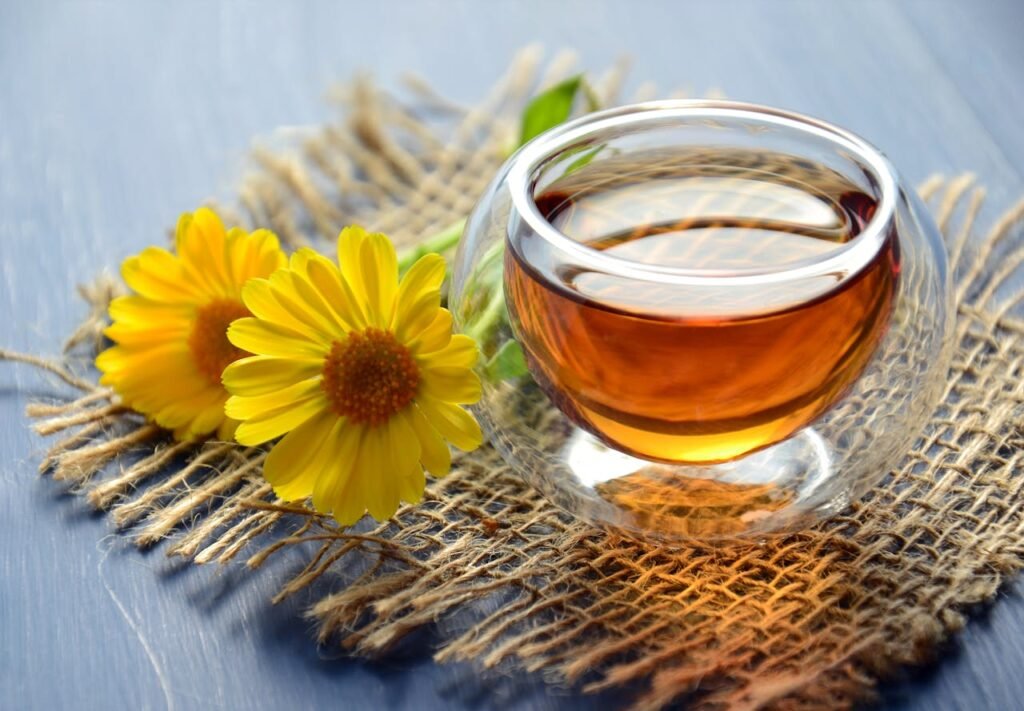
- Herbal Tea: Dried Tulsi leaves are brewed into a soothing and aromatic tea, often combined with ginger or honey for enhanced benefits. This is a popular method for daily immune support and stress reduction.
- Supplements: Standardized extracts in capsule form provide a convenient and concentrated dose of Tulsi’s active compounds, ensuring consistent potency.
- Essential Oil: Tulsi essential oil is used in aromatherapy for its calming and uplifting effects, indirectly supporting immune health by reducing stress.
While generally considered safe, consulting with a healthcare professional before incorporating any new supplement, especially for those with existing medical conditions or on medication, is always advisable. Resources like Forbes Health offer insights into the benefits of various herbal supplements.
Comparative Immunomodulatory Potentials: Tulsi vs. Other Natural Remedies
To better appreciate Tulsi’s unique position, a comparison with other well-known natural remedies with immunomodulatory properties can be illuminating.
| Feature / Remedy | Tulsi (Holy Basil) | Turmeric (Curcuma longa) | Ginger (Zingiber officinale) | Echinacea (Echinacea purpurea) |
|---|---|---|---|---|
| Primary Action | Adaptogenic, Anti-inflammatory, Antioxidant, Antimicrobial, Immune Modulator | Potent Anti-inflammatory, Antioxidant | Anti-inflammatory, Antioxidant, Antiemetic | Immune Stimulant, Antimicrobial |
| Key Bioactive(s) | Eugenol, Rosmarinic Acid, Ursolic Acid, Ocimumosides | Curcuminoids | Gingerols, Shogaols | Alkylamides, Caffeic Acid Derivatives |
| Immune Modulation | Balances and enhances broad immune response, stress reduction | Reduces pro-inflammatory cytokines, supports gut immunity | Modulates inflammation, supports gut health | Stimulates phagocytosis, increases cytokine production |
| Stress Reduction | High (Strong Adaptogen) | Moderate | Low | Low |
| Daily Use Suitability | High (Tea, chew, supplements) | High (Spice, supplements) | High (Tea, culinary, supplements) | Moderate (Often used acutely for illness) |
| Traditional Use | Ayurveda, Siddha | Ayurveda, TCM | Ayurveda, TCM, various | Native American, European herbalism |
| Primary Benefit Area | Stress, Immunity, Respiratory, Digestion | Inflammation, Pain, Digestion, Liver | Digestion, Nausea, Inflammation, Cold | Cold/Flu prevention/treatment, wound healing |
Note: This table provides a general overview and individual responses may vary. Synergistic effects can occur when these remedies are used in combination.
This table highlights Tulsi’s broad-spectrum approach, particularly its potent adaptogenic quality, which is less pronounced in many other singular immune-boosting herbs. This makes Tulsi a unique candidate for long-term, foundational immune and stress support.
Frequently Asked Questions (FAQ)
Q1: Is Tulsi safe for daily consumption?
A1: Yes, Tulsi is generally considered safe for daily consumption for most individuals when taken in appropriate doses, either as a tea, fresh leaf chew, or standardized supplement. Its adaptogenic properties make it suitable for long-term use to support overall well-being and immune balance. However, individuals who are pregnant, breastfeeding, or on specific medications (e.g., blood thinners) should consult a healthcare provider before regular use.
Q2: How quickly can I expect to see the immunomodulatory benefits of Tulsi?
A2: The effects of Tulsi can vary among individuals. While some immediate benefits, such as stress reduction and improved digestion, might be noticed within days, the full immunomodulatory benefits, which involve systemic rebalancing and fortification, typically unfold over several weeks or months of consistent use. Think of it as a long-term strategy for immune resilience rather than an instant fix.
Q3: Can Tulsi replace my flu shot or other conventional immune treatments?
A3: No, Tulsi is a natural remedy that supports and modulates the immune system; it is not a substitute for conventional medical treatments, including vaccinations like the flu shot, or prescribed medications for specific illnesses. It should be seen as a complementary approach to enhance overall health and immune function, working alongside, not replacing, modern medicine. For severe conditions or infections, always seek professional medical advice.
Q4: Are there different types of Tulsi, and do they have different benefits?
A4: Yes, there are three main types of Tulsi commonly used: Rama Tulsi (Green Leaf Tulsi), Krishna Tulsi (Purple Leaf Tulsi), and Vana Tulsi (Wild Leaf Tulsi). While all share similar immunomodulatory and adaptogenic properties, they have slightly different chemical profiles and taste notes. Rama Tulsi is known for its milder taste, Krishna Tulsi is slightly spicier and often considered more potent medicinally, and Vana Tulsi has a more robust, earthy flavor. All are beneficial, and the choice often comes down to personal preference or specific traditional uses.
Q5: Can children use Tulsi?
A5: While Tulsi is generally safe, it’s always best to consult with a pediatrician before giving any herbal remedies or supplements to children. Small doses of Tulsi tea or a very limited tulsi leaf chew might be appropriate for older children for common colds or digestive upsets, but professional guidance is crucial, especially for very young children or those with underlying health conditions.
Conclusion: Embracing the Wisdom of an Ancient Ally
The scientific exploration of Tulsi leaf continually reaffirms the profound wisdom of ancient medicinal practices. As a remarkable natural remedy, Tulsi stands out for its comprehensive approach to immune health, offering not just direct antimicrobial action but also sophisticated immunomodulatory effects. By acting as an adaptogen, reducing inflammation, providing potent antioxidants, and influencing specific immune cell activity, Tulsi helps the body maintain balance and resilience in the face of diverse stressors and pathogens. For professionals and individuals alike, integrating Tulsi into a well-rounded wellness strategy offers a compelling pathway to enhanced vitality and a robust immune system. This ancient plant, revered for millennia, continues to offer relevant and potent solutions for modern health challenges, cementing its legacy as a true “queen of herbs.”