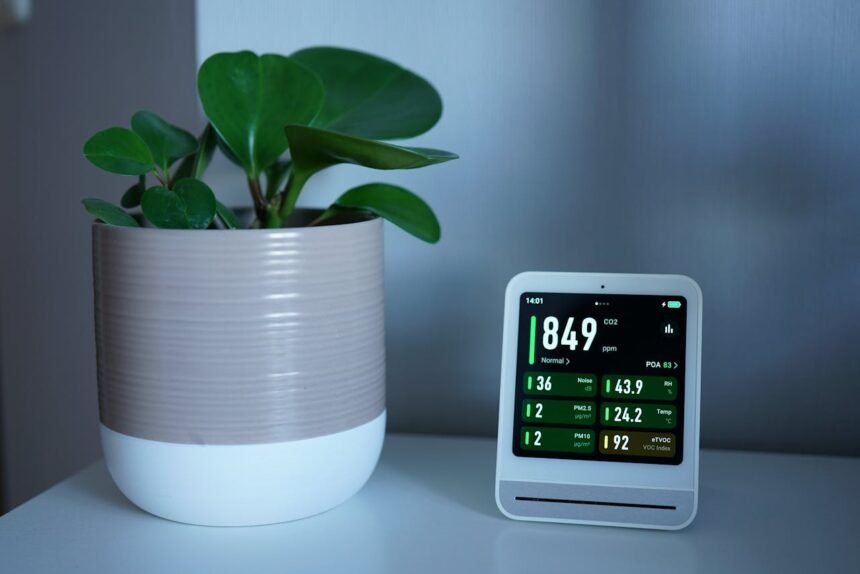
Your bedroom should be a sanctuary. It is the one place where your body resets and your brain processes the day. However, many of us overlook a critical factor in our sleep environment: air quality. Stale air, high carbon dioxide levels, and indoor pollutants can disrupt your rest. This is where nature steps in. Bringing greenery into your room does more than just look nice. The right foliage can filter toxins and boost oxygen levels.
In this article, we will explore the science behind botanical air purification. We will list the top choices for your bedside table. We will also discuss how to build a complete sleep routine around a healthy environment. From humidity control to stress reduction, plants are a versatile tool for better health.
The Connection Between Air Quality and Sleep
We often focus on light and noise when trying to improve our rest. While these are vital, the air we breathe is equally important. Poor ventilation can lead to a buildup of carbon dioxide (CO2) in your bedroom. High CO2 levels have been linked to grogginess and restless nights. Furthermore, volatile organic compounds (VOCs) from paint, carpets, and furniture can irritate your respiratory system.
Plants act as natural bio-filters. They absorb these gases through pores in their leaves. In return, they release fresh oxygen. This exchange creates a cleaner breathing zone around your bed. NASA studies have shown that plants are effective at scrubbing the air in sealed environments. For anyone wondering how to get deep sleep naturally, improving the air you breathe is a foundational step.
Best Plants for Bedroom Air Quality and Sleep
Choosing the right plant is essential. You want varieties that thrive in low light and do not require constant watering. Here are the top contenders for your bedroom.
1. The Snake Plant (Mother-in-Law’s Tongue)
The Snake Plant is arguably the champion of bedroom flora. Unlike most plants, it performs a specific type of photosynthesis that allows it to release oxygen at night. It also filters out formaldehyde and benzene. It is incredibly hardy and requires very little water. If you are looking for the best plants for bedroom air quality and sleep, this should be your first purchase.
2. Lavender
Lavender is not just a pretty purple flower. Its scent has proven sedative properties. Research suggests that inhaling lavender fragrance can lower heart rate and blood pressure. This makes it an excellent aid for those who struggle to relax. If you want to know how to fall asleep in 5 minutes, keeping a pot of fresh lavender on your nightstand might be the secret trick you need.
3. Aloe Vera
Similar to the Snake Plant, Aloe Vera releases oxygen at night. It is also a medicinal powerhouse. The gel inside the leaves can soothe minor cuts and burns. Aloe is a succulent, so it needs bright light but very little water. It is practically effortless to maintain.
4. Peace Lily
The Peace Lily is fantastic for increasing humidity. Dry air can irritate your throat and sinuses, leading to poor sleep. By releasing moisture, the Peace Lily helps keep your airways moist. Read more about respiratory health here. Be aware that this plant can be toxic to pets if eaten, so place it high up.
5. English Ivy
English Ivy is a vigorous climber that is excellent at reducing airborne mould. This is particularly beneficial for allergy sufferers. Keeping your nasal passages clear is crucial for maintaining a steady sleep cycle. Clean air helps you understand the difference between REM and deep sleep by allowing your body to transition smoothly between stages without interruption.
Creating the Ultimate Sleep Sanctuary
Plants are just one piece of the puzzle. To truly transform your nights, you must look at your bedroom holistically. A few changes can turn a chaotic room into a haven of tranquillity.
Checking Your Foundation
Even the freshest air cannot fix a bad back. Your bed is the most important furniture in your home. You should inspect it regularly for lumps or sagging. Waking up with stiffness is one of the classic signs you need a new mattress. If your bed is over seven years old, it might be time for an upgrade. A supportive mattress works in tandem with clean air to reduce physical stress.
Lighting and Circadian Rhythms
Your body’s internal clock is regulated by light. Plants need light to survive, and so do you. Exposure to morning sunlight for better sleep is scientifically proven. It suppresses melatonin and helps you wake up feeling alert. Position your plants near the window where they can soak up the rays, and make a habit of opening the curtains immediately upon rising. Learn more about circadian rhythms at the Sleep Foundation.
Managing Noise Levels
Silence is golden, but sometimes it is too quiet. Sudden noises can jolt you awake. Many people use sound masking to prevent this. There is often a debate about brown noise vs white noise for sleep. White noise is like a untuned radio, while brown noise is deeper, like a rumbling waterfall. Both can block out traffic sounds that might otherwise disturb your rest.

Natural Remedies to Pair with Greenery
Once your environment is set with plants and a good bed, you can look at internal solutions. Diet and routine play massive roles in how well you rest.
Herbal Teas and Hydration
Warm drinks can be very soothing in the evening. While chamomile is popular, you might try a banana tea for sleep recipe. This involves boiling a banana (peel and all) in water. Bananas are rich in magnesium and potassium, which help relax muscles. Sip this while sitting next to your lavender plant for a double dose of relaxation.
Supplements: Magnesium
If tea is not enough, supplements can help. Magnesium is a key mineral for nervous system regulation. However, not all forms are the same. When comparing magnesium glycinate vs citrate for sleep, glycinate is often preferred. It is absorbed well and is less likely to cause digestive issues than citrate. Always consult a GP before starting supplements. Check NHS guidelines on minerals.
Avoid Pollutants
It is counterproductive to have air-purifying plants if you are consuming toxins. We know about the impact of alcohol on sleep quality. While it might help you drift off, it fragments your sleep later in the night. Alcohol prevents you from reaching the restorative stages of rest. Read our guide on alcohol and rest to understand why a dry evening often leads to a better morning.
Troubleshooting Common Sleep Issues
Even with a green bedroom, issues can arise. Understanding why you wake up is the first step to fixing it.
The 4 AM Wake-Up Call
Many people ask, “Why do I wake up at 4am?” This is often due to a drop in blood sugar or a spike in cortisol. It can also be environmental. If your room gets stuffy, your body might wake you up to get oxygen. Your Snake Plant helps here by ensuring oxygen is available right when you need it most. See our tips for staying asleep.
Consistency is Key
Learning how to stay asleep all night often comes down to temperature and comfort. Keep your room cool (around 18°C). Plants thrive in this temperature too. Ensure your bedding is breathable. Some people overlook their pillowcase, but the benefits of silk pillowcases for skin and hair also extend to comfort. Silk regulates temperature better than cotton, preventing you from overheating.
Special Considerations for Shift Workers
Working irregular hours disrupts your biological clock. Sleep hygiene tips for shift workers include using blackout curtains and wearing sunglasses on the commute home. Plants can help shift workers by signalling “home” and “relaxation” regardless of the time of day. The CDC offers resources for shift work.
Gentle Movement and Relaxation
Before you get into bed, try to wind down physically. High-intensity exercise should be avoided late at night. Instead, focus on gentle stretching.
Yoga for Bedtime
Practising simple yoga poses for sleep and relaxation can signal to your body that the day is over. Poses like ‘Legs Up the Wall’ or ‘Child’s Pose’ are excellent. Doing these on a mat next to your greenery can enhance the calming effect. Find our evening yoga sequence here.
The Bottom Line
Improving your sleep is a journey, not a quick fix. Adding plants to your bedroom is a powerful, natural way to enhance your environment. They clean the air, boost humidity, and lower stress. When you combine this with a good mattress, proper nutrition, and a solid routine, you set the stage for success.
Remember to consider all factors. From the impact of alcohol on sleep quality to the type of noise you listen to, everything counts. Start with one or two plants like a Snake Plant or Peace Lily. Observe how the air feels. Over time, you may find that these green companions are exactly what you needed for a restful night.
Additional Resources
- Mind UK: Nature and Mental Health
- Guide to Natural Sleep Aids
- RHS: Caring for Houseplants
- Bedroom Feng Shui Tips
- WebMD Sleep Disorders Guide
- Managing Chronic Insomnia
- Mayo Clinic: 7 Steps to Better Sleep
- Creating a Sleep Routine for Kids
- National Institutes of Health (NIH) Research
- The Pros and Cons of Napping
- Review of Sleep Tracking Tech