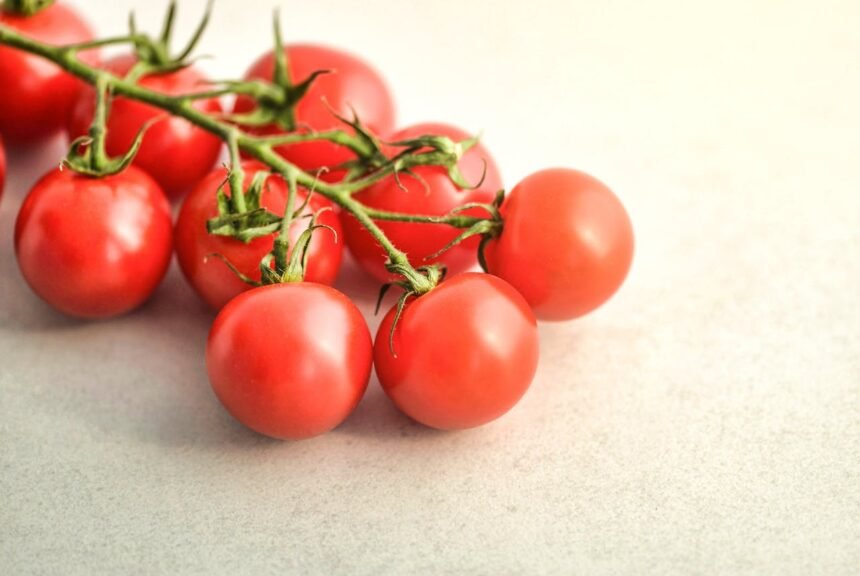
Cherry tomatoes are often dismissed as merely a colourful salad garnish, yet these miniature fruits are a nutritional powerhouse in their own right. Bursting with flavour and vibrant colour, they offer a convenient way to boost your daily intake of essential vitamins and minerals.
Despite their small size, cherry tomatoes pack a dense concentration of nutrients that rival, and in some cases exceed, those of their larger counterparts. Whether you enjoy them raw as a snack, roasted to intensify their sweetness, or tossed into a pasta dish, you are doing your body a favour.
Many people do not realise that the nutritional bioavailability of tomatoes changes depending on how they are prepared. Understanding this can help you maximise the health benefits of every bite.
In this article, we explore the comprehensive nutritional profile of cherry tomatoes, examining their benefits, potential downsides for sensitive individuals, and practical ways to incorporate them into a balanced diet.
Comprehensive Overview
Botanically classified as Solanum lycopersicum var. cerasiforme, cherry tomatoes are believed to be the direct genetic ancestor of most modern cultivated tomatoes. Originating in South America, they have been a dietary staple for centuries before spreading globally.
Unlike standard tomatoes, which can sometimes be watery or mealy, cherry tomatoes are prized for their consistent firm texture and higher sugar content. This makes them particularly palatable for children and adults who might otherwise struggle to eat enough vegetables.
While they are generally treated as vegetables in culinary settings, they are scientifically fruits—specifically berries. This distinction is more than just trivia; it explains their seed structure and nutrient distribution.
Cherry tomatoes come in a vast array of colours, including red, yellow, orange, and even deep purple or almost black. Each colour signifies a slightly different antioxidant profile. For instance, red varieties are high in lycopene, while yellow ones may contain higher levels of varying carotenoids.
Incorporating a variety of these colours into your meals aligns with the advice from the NHS Eatwell Guide to consume a ‘rainbow’ of fruit and vegetables for optimal health.
Nutritional Breakdown and Health Effects
To understand why these tiny fruits are so beneficial, we must look at their specific composition. They are low in calories but high in fibre, vitamins, and unique plant compounds.
Vitamins and Minerals
Cherry tomatoes are an excellent source of Vitamin C, a crucial nutrient for immune function and skin health. A single cup can provide a significant portion of your daily recommended intake.
They are also rich in potassium. According to the British Heart Foundation, potassium helps balance the negative effects of salt and aids in lowering blood pressure. This makes cherry tomatoes a heart-healthy snack choice.
Additionally, they contain Vitamin K1 (phylloquinone), which is essential for blood clotting and bone health. Folate (Vitamin B9) is another key nutrient found in these fruits, vital for normal tissue growth and cell function, particularly during pregnancy.
The Power of Lycopene
Perhaps the most famous compound in tomatoes is lycopene. This plant pigment gives red cherry tomatoes their signature colour.
Lycopene is a potent antioxidant. Research highlighted by Cancer Research UK suggests that antioxidants help protect cells from damage caused by free radicals. Some studies indicate a link between high lycopene intake and a reduced risk of prostate cancer, although research is ongoing.
Interestingly, lycopene is fat-soluble and becomes more bioavailable when cooked. While raw cherry tomatoes are healthy, roasting them with a drizzle of olive oil significantly increases the amount of lycopene your body can absorb.
Skin Health and Ageing
The combination of Vitamin C and lycopene may also offer benefits for your skin. Vitamin C is essential for collagen production, which gives skin its elasticity.
Furthermore, some evidence suggests that dietary lycopene can offer a modest degree of protection against sunburn and UV-induced skin damage. However, this should never replace high-quality sunscreen.
Dietary Fibre and Digestion
Despite their size, cherry tomatoes are a good source of dietary fibre. Fibre is essential for maintaining a healthy digestive system and preventing constipation.
The British Nutrition Foundation emphasizes that most adults in the UK do not eat enough fibre. Adding a handful of cherry tomatoes to your lunch is an effortless way to increase your intake.

Potential Downsides and Sensitivities
While cherry tomatoes are highly nutritious, they may not be suitable for everyone. Certain conditions can be exacerbated by their consumption.
Acid Reflux and GERD
Tomatoes are naturally acidic, containing both citric and malic acid. For individuals suffering from Gastro-oesophageal Reflux Disease (GERD) or frequent heartburn, eating highly acidic foods can trigger symptoms.
If you find that tomatoes cause discomfort, you might need to limit your intake or eat them as part of a larger meal rather than on their own.
Nightshade Sensitivity
Cherry tomatoes belong to the Solanaceae family, commonly known as nightshades. Some people claim to have a sensitivity to nightshade vegetables, linking them to inflammation or joint pain.
However, scientific evidence supporting a widespread nightshade sensitivity is limited. Unless you have a specific intolerance or allergy, there is usually no need to exclude them from your diet.
Oral Allergy Syndrome
In rare cases, individuals with pollen allergies may experience a cross-reaction when eating raw tomatoes. This is known as Oral Allergy Syndrome. Symptoms usually include itching or swelling of the mouth and throat. Cooking the tomatoes often neutralises the proteins responsible for this reaction.
Data: Nutrient Profile Per 100g
The following table outlines the approximate nutritional value of raw red cherry tomatoes (per 100g).
| Nutrient | Amount | % Daily Value (Approx) |
|---|---|---|
| Calories | 18 kcal | – |
| Water | 94% | – |
| Protein | 0.9 g | – |
| Carbohydrates | 3.9 g | – |
| Sugar | 2.6 g | – |
| Fibre | 1.2 g | 4% |
| Fat | 0.2 g | – |
| Vitamin C | 14 mg | 17% |
| Potassium | 237 mg | 7% |
| Vitamin K | 7.9 mcg | 10% |
Note: Percentages are based on general adult dietary guidelines and may vary.
Buying, Storing, and Preparing
To get the most out of your cherry tomatoes, proper selection and storage are key.
Selection
Look for skins that are smooth and taut. Wrinkled skin usually indicates that the tomato has lost moisture and is past its prime. The colour should be vibrant and uniform.
If you are growing your own, the Royal Horticultural Society offers excellent advice on selecting varieties that thrive in the UK climate, such as ‘Gardener’s Delight’ or ‘Sungold’.
Storage
There is a long-standing debate about whether to refrigerate tomatoes. The consensus among food scientists is that refrigeration can degrade the flavour compounds and result in a mealy texture.
Ideally, store them at room temperature away from direct sunlight. If they are very ripe and you cannot eat them immediately, refrigeration is acceptable to prevent spoilage, but bring them back to room temperature before eating for the best flavour.
Always wash fresh produce before eating to remove any potential residues. The Food Standards Agency recommends washing fruits under cold running water.
Preparation Tips
- Roasted: Toss with olive oil, garlic, and herbs, then roast at 200°C for 20 minutes until they burst.
- Salads: Halve them to ensure the dressing coats the inside of the fruit.
- Sauces: Cherry tomatoes create a naturally sweet and chunky pasta sauce without the need for added sugar.
Frequently Asked Questions
Are cherry tomatoes better for you than regular tomatoes?
Nutritionally, they are very similar. However, because cherry tomatoes have a higher skin-to-flesh ratio, they can contain slightly higher concentrations of fibre and antioxidants per gram compared to larger varieties.
Can I eat cherry tomatoes if I have diabetes?
Yes. Cherry tomatoes have a low Glycaemic Index (GI). According to Diabetes UK, low GI foods release glucose more slowly into the bloodstream, making them a safe choice for blood sugar management.
Is the skin of the cherry tomato digestible?
Tomato skin is high in insoluble fibre. While most people digest it without issue, it passes through the digestive system relatively intact. This helps bulk up stool and promote regularity.
Why do some cherry tomatoes taste sweeter than others?
The sugar content varies by variety and ripeness. Yellow and orange varieties, often referred to as ‘sungolds’, tend to be naturally sweeter and less acidic than traditional red varieties.
Do cherry tomatoes contain pesticides?
Like many crops, tomatoes can be treated with pesticides. To minimise exposure, you can choose organic varieties or ensure you wash them thoroughly. You can read more about tomato benefits and safety on Healthline.
The Bottom Line
Cherry tomatoes are a nutrient-dense, versatile ingredient that offers far more than just a burst of colour on your plate. They are rich in heart-healthy potassium, immune-boosting Vitamin C, and potent antioxidants like lycopene.
For most people, they are a safe and healthy addition to a balanced diet. Whether you are snacking on them raw to curb hunger or roasting them to unlock their full antioxidant potential, they are a simple way to support your overall health.
By selecting high-quality produce and storing it correctly, you can enjoy the full range of flavours and benefits these tiny fruits have to offer. For more inspiration on healthy recipes, resources like BBC Good Food provide excellent ideas for incorporating them into your meals.