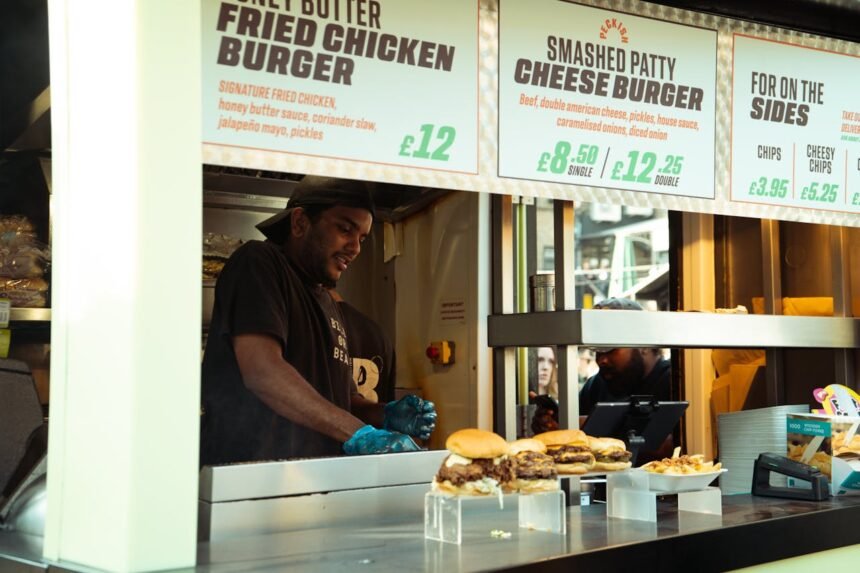
The culinary world is often divided by complex techniques and gourmet innovations, but few things unite food lovers quite like the smash burger. Characterised by its ultra-thin profile, jagged edges, and intense savoury flavour, this burger style has moved from American diners to the home cooking enthusiasts across the UK. But what exactly makes the “smash” technique so superior, and how can you enjoy it while maintaining a nutritional balance?
In this guide, we explore the science behind the crust, the importance of meat selection, and how to master the art of searing for the perfect result every time.
The Science of Sizzle: Why We Smash
At first glance, pressing down on a meat patty might seem counterintuitive to anyone who has been told to “never press the juices out.” However, the smash burger technique relies on chemistry rather than just brute force. When cold beef patties hit a screaming-hot cast iron skillet, the physical act of smashing increases the surface area of the meat in contact with the heat.
This contact triggers the Maillard reaction, a chemical process where amino acids and reducing sugars react to create thousands of different flavour compounds. This is what provides that deep, rich crust formation that defines a great burger. According to research published in Nature, this reaction is crucial for the complex aromas we associate with roasted or grilled foods.
The Golden Rule of Fat Content
To achieve the best results, you cannot utilise lean mince. A traditional smash burger requires a higher fat-to-protein ratio, typically around 20% fat. This is where ground chuck comes into play. The fat acts as the cooking medium, essentially frying the meat in its own juices to create those crispy, lace-like edges.
While the British Heart Foundation notes that we should monitor our intake of saturated fats, choosing high-quality meat and practicing portion control allows for this indulgence within a healthy lifestyle.
How to Make the Perfect Smash Burger at Home
Creating a restaurant-quality smash burger requires the right tools and a specific sequence of events. Follow these steps to ensure success:
- Prepare your meat: Roll 80g to 100g of cold ground chuck into loose balls. Do not overwork the meat or season it yet, as salt can change the protein structure.
- Heat the surface: Use a heavy-duty cast iron skillet or flat-top griddle. You need high heat to ensure the meat sears instantly upon contact.
- The Smash: Place the meat ball on the hot surface. Place a piece of parchment paper over the ball to prevent sticking, then press down firmly with a heavy spatula or a dedicated burger press for about 10 seconds.
- Seasoning: Once smashed thin, season liberally with salt and pepper. This is the moment to add your burger toppings like thinly sliced onions directly onto the raw side.
- The Flip: After about 2 minutes, once a dark brown crust has formed, use a sharp metal spatula to scrape every bit of that crust off the pan and flip. Add a slice of cheese immediately.
Comparing Burger Styles
Understanding the difference between a traditional pub-style burger and a smash burger helps in making informed dietary choices. While both provide protein, their preparation affects the texture and calorie density.
| Feature | Smash Burger | Traditional Burger |
|---|---|---|
| Cooking Surface | Flat-top/Cast iron | Grill or BBQ |
| Meat Texture | Thin, crispy, and lacy | Thick, juicy, and tender |
| Internal Temperature | Usually well-done due to thickness | Can be cooked to preference |
| Flavour Profile | Intense caramelisation | Smoky and beefy |
Balancing Flavour and Health
While a smash burger is often seen as a “treat” food, you can make adjustments to improve its nutritional balance. For instance, swapping a standard white roll for a toasted brioche bun adds flavour, but choosing a wholemeal option can increase fibre intake. The British Nutrition Foundation suggests that starchy carbohydrates should form a key part of our meals, preferably in their higher-fibre forms.
Furthermore, focus on your burger toppings. Adding fresh lettuce, tomatoes, and gherkins increases micronutrient intake without adding significant calories. If you are monitoring your blood sugar, Diabetes UK provides excellent resources on how different buns and condiments can impact your glucose levels.
Food Safety First
When working with raw meat at high heat, it is vital to follow strict Food Standards Agency guidelines. Ensure your internal temperature reaches a safe level to eliminate harmful bacteria. While thin patties cook quickly, checking for doneness is essential for food safety. Use a digital meat thermometer to reach the recommended temperature as advised by Academy of Nutrition and Dietetics.
The Role of Red Meat in Your Diet
Beef is a significant source of vitamin B12, zinc, and iron. According to WebMD, these nutrients are essential for energy levels and immune function. However, the World Health Organization advises moderation in red meat consumption. Balancing your smash burger night with plant-based meals throughout the week is a sustainable approach to eating.
For those looking for a lighter version, Mayo Clinic suggests choosing leaner cuts or even experimenting with ground turkey, though the crust formation may differ due to the lower fat content.
Choosing the Right Tools
If you are serious about your home cooking, investing in the right equipment is key. A seasoned cast iron skillet is the preferred choice for chefs because it retains heat exceptionally well. This allows for consistent searing across the entire patty. To learn more about the benefits of different cooking materials, you can consult Medical News Today for their take on how cookware impacts health.
Additionally, the smash burger technique requires a sturdy, flat-edge spatula. This ensures you can scrape the patty off the pan without losing that precious, flavourful crust. As BBC Science Focus explains, the physics of heat transfer is what makes certain kitchen tools more effective than others.
Frequently Asked Questions (FAQs)
Can I make a smash burger with lean beef?
Technically, yes, but you will miss out on the signature crust formation. Fat is what allows the meat to fry against the metal surface. If you use lean meat, consider adding a small amount of oil to the pan first. You can find more about healthy cooking oils through the NHS Eat Well guide.
Why do I need parchment paper?
Parchment paper acts as a non-stick barrier between your smashing tool and the raw meat. Without it, the meat often sticks to the spatula, tearing the patty apart before it has a chance to sear properly.
Is a smash burger healthier than a deep-fried burger?
In general, pan-searing is preferable to deep-frying. However, the overall health profile depends on the portion control and the quality of ingredients used. For evidence-based health outcomes, the Cochrane Library offers extensive reviews on dietary habits and long-term health.
What is the best bun for a smash burger?
A brioche bun is the gold standard because its high egg and butter content allows it to stand up to the juices of the meat without falling apart. For a lower-calorie option, a toasted sourdough or a “naked” burger in a lettuce wrap are excellent alternatives often recommended by Harvard Health.