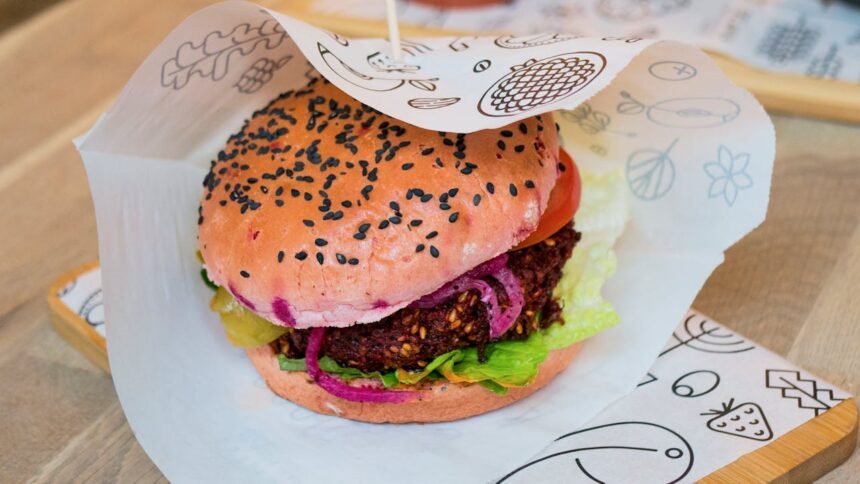
Whether you are a lifelong vegetarian or a “flexitarian” looking to cut down on red meat, the veggie burger has likely earned a spot on your dinner plate. Gone are the days of dry, tasteless hockey pucks; today’s market offers everything from bleeding “bleeding” meat alternatives to chunky, vegetable-forward discs that celebrate real food.
But as these patties become a staple in the vegan diet, a question remains: are they actually better for you than a traditional beef burger? The answer isn’t a simple yes or no—it depends entirely on what is inside the bun. In this guide, we will break down the nutritional profile, the environmental impact, and how to choose the best option for your health.
What Exactly Is in a Veggie Burger?
A veggie burger is a patty made from non-meat ingredients designed to mimic the shape and experience of a hamburger. However, the ingredients vary wildly. Generally, they fall into four main categories:
- Legumes: Often the base for black bean burgers or chickpea patties, providing high amounts of plant-based protein.
- Whole Grains: Ingredients like brown rice, quinoa, and oats add bulk and a satisfying chew.
- Vegetables: Mushroom patties, carrots, and courgettes add moisture and essential micronutrients.
- Processed Proteins: Modern store-bought options often utilise concentrated soya protein or pea protein to replicate a “meaty” texture.
The Nutritional Face-Off
When comparing a veggie burger to a beef patty, the most significant differences usually lie in the fat and fibre content. While beef is naturally high in saturated fat, most plant-based options are significantly lower, which is a win for heart health. According to the British Heart Foundation, swapping red meat for plant proteins can help manage cholesterol levels.
| Nutrient (per 100g) | Standard Beef Burger | Processed Plant-Based Burger | Whole-Food Veggie Burger |
|---|---|---|---|
| Protein | 17g – 20g | 15g – 19g | 8g – 12g |
| Dietary Fibre | 0g | 2g – 5g | 6g – 10g |
| Saturated Fat | 6g – 9g | 4g – 8g | 0.5g – 2g |
| Sodium (Salt) | High (variable) | Very High | Moderate |
The Benefits of Going Plant-Based
Choosing a veggie burger isn’t just about avoiding meat; it’s about what you are adding to your diet. Here are the primary reasons to make the switch:
1. Heart Health and Fibre
Unlike meat, plants are packed with dietary fibre. Fibre is essential for a healthy gut microbiome and can help stabilise blood sugar levels. For those managing conditions like type 2 diabetes, a veggie burger made from legumes and whole grains can be a nutrient-dense choice.
2. Lower Environmental Impact
The environmental impact of plant-based eating is significantly lower than livestock farming. Producing a veggie burger requires less water, less land, and emits fewer greenhouse gases compared to beef production.
3. Weight Management
Many homemade recipes focus on vegetables and grains, which are generally lower in calories but high in volume. This means you can feel full and satisfied without the heavy calorie load of animal fats.
The Pitfalls: Not All Patties Are Created Equal
It is easy to assume that “plant-based” automatically means “healthy,” but that isn’t always the case. Some store-bought options are highly processed. To achieve a grillable texture and savoury flavour, manufacturers often add high amounts of salt and coconut oil (which is high in saturated fat).
The Mayo Clinic suggests that while these ultra-processed burgers are great for transitioning away from meat, they shouldn’t necessarily be daily staples if they are loaded with sodium.
How to Choose the Best Veggie Burger
When you are perusing the supermarket aisles, follow these tips to ensure you’re picking a nutrient-dense option:
- Check the Protein Source: Look for soya protein, pea protein, or legumes (like lentils or beans) near the top of the ingredient list.
- Mind the Sodium: Aim for patties with less than 400mg of sodium per serving. The World Health Organization recommends limiting salt intake to reduce blood pressure risks.
- Watch the Fats: If coconut oil or cocoa butter is a primary ingredient, the saturated fat content might be higher than you expect.
- Look for “Whole”: The best veggie burger options will list recognisable ingredients like “quinoa,” “sweet potato,” or “black beans.”
If you have the time, homemade recipes are almost always the healthiest route. You can control the salt and oil, ensuring your burger is truly heart-healthy. Experimenting with plant-based protein at home allows you to tailor the flavour to your preference.
Tips for the Perfect Grill
One common complaint about the veggie burger is that it can crumble or go mushy. To get that perfect grillable texture:
- Partial Drying: If using beans, dry them in the oven for 15 minutes before mashing to remove excess moisture.
- Binding Agents: Use flax eggs, oats, or breadcrumbs to hold the ingredients together.
- Chill Before Cooking: Let your patties rest in the fridge for at least 30 minutes to help them firm up.
For more advice on building a balanced plate, check out the British Dietetic Association’s guide on plant-based diets.
The Bottom Line
A veggie burger can be a fantastic addition to a healthy, balanced diet. Whether you choose mushroom patties for their earthy flavour or high-tech meat alternatives for their realistic texture, you are likely reducing your intake of red meat and helping the planet. Just remember to read the labels and prioritise whole-food ingredients whenever possible. For a truly healthy meal, pair your patty with a wholemeal bun and plenty of fresh salad. As the American Heart Association points out, small shifts toward plant-forward eating can lead to big long-term health gains.
Frequently Asked Questions (FAQs)
Are veggie burgers more processed than meat?
It depends. Many store-bought options designed to mimic meat are ultra-processed and contain additives. However, veggie burger options made from whole legumes, whole grains, and vegetables are considered minimally processed and very healthy. Always check the label for long lists of chemical ingredients.
Do veggie burgers provide enough protein?
Yes. Most patties utilise soya protein, pea protein, or beans, which provide ample protein for most people. If you are an athlete, look for brands specifically fortified with extra plant proteins to meet your higher requirements.
Can I eat a veggie burger every day?
While you can, variety is key to a healthy diet. The Harvard School of Public Health emphasizes that a healthy diet should include a wide range of plant foods. If you do eat them daily, try to rotate between different types—like a bean-based burger one day and a grain-based one the next—to ensure you get a broad spectrum of nutrients.