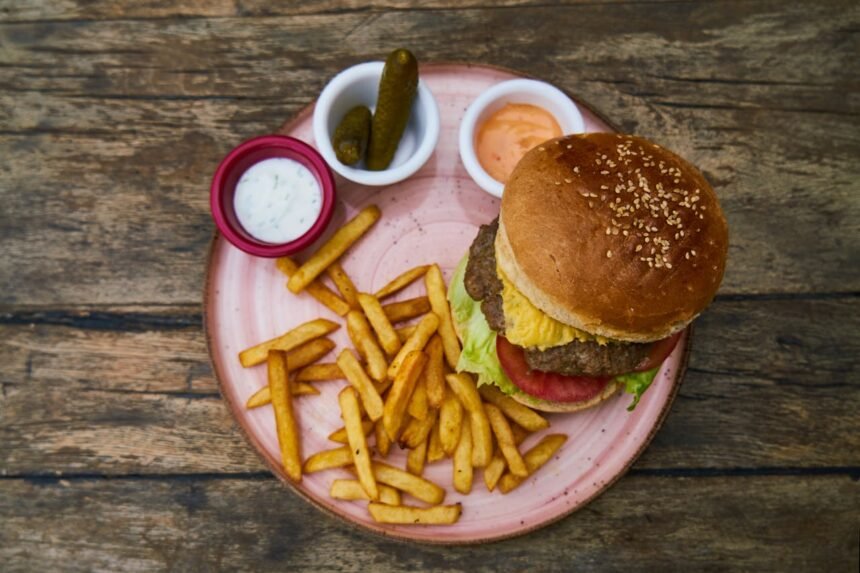
Whether you are firing up the grill for a summer barbecue or visiting your local gourmet bistro, one element often defines the experience: the burger sauce. This iconic, creamy texture condiment acts as the bridge between a charred patty and a soft brioche bun, providing that essential umami profile that keeps us coming back for more.
While we often associate this mayo-based condiment with indulgence, understanding what goes into your favourite fast food flavours can help you make more informed dietary choices. In this guide, we will explore the anatomy of the perfect sauce, its nutritional impact, and how to create a healthier version at home without sacrificing taste.
What Exactly Is Burger Sauce?
At its core, most variations of burger sauce are an emulsion. Traditionally, it is a blend of mayonnaise, ketchup, and mustard, elevated with seasonings and acids. This combination targets all the primary taste receptors: sweet, salty, sour, and savoury. According to research on taste science, the balance of these elements is what creates a “craveable” food profile.
Common ingredients found in a classic secret sauce recipe include:
- Mayonnaise: The base that provides richness.
- Gherkin relish: Adds crunch and acidity.
- Smoked paprika: Provides a subtle depth and flavour enhancer quality.
- Vinegar or lemon juice: Cuts through the richness of the meat.
- Garlic and onion powder: Essential for savoury complexity.
The Nutritional Reality of Condiments
While condiments are often an afterthought, they can significantly contribute to your daily intake of saturated fats and added sugars. A single serving (approximately two tablespoons) of standard shop-bought sauce can contain upwards of 100 calories.
The NHS guidelines suggest that monitoring your intake of saturated fats is crucial for long-term heart health. Furthermore, many commercial sauces utilise high-fructose corn syrup, which can impact blood sugar levels. For those managing conditions like type 2 diabetes, consulting resources from Diabetes UK can provide better context on hidden sugars in condiments.
Nutritional Comparison: Standard vs. Light Options
To help you make a better choice at the supermarket, consider this comparison of typical nutritional values per 30g serving:
| Nutrient | Standard Burger Sauce | Low-Calorie Alternative |
|---|---|---|
| Calories | 110 – 130 kcal | 35 – 50 kcal |
| Total Fat | 12g | 3g |
| Saturated Fat | 1.5g | 0.5g |
| Sugars | 4g | 1.5g |
| Sodium | 250mg | 180mg |
Healthier Swaps and Low-Calorie Alternatives
If you are looking to reduce your calorie density while maintaining that signature taste, there are several low-calorie alternatives you can utilise. Swapping full-fat mayonnaise for a base of 0% fat Greek yogurt is a popular hack among nutritionists. This not only reduces the fat content but also adds a boost of protein and probiotics, which support gut health.
You can also experiment with plant-based options. Vegan mayonnaise, often made from aquafaba (chickpea water) or soya, provides a similar creamy texture with a different fat profile. Experts at the Mayo Clinic highlight that replacing animal fats with plant-based fats can be beneficial for cholesterol management.
DIY Healthy Burger Sauce Recipe
- Mix 100g of fat-free Greek yogurt with 1 tablespoon of tomato purée.
- Add 1 teaspoon of American mustard and 1 teaspoon of finely chopped gherkin relish.
- Stir in a pinch of smoked paprika and garlic powder.
- Season with a small amount of salt and pepper to taste.
This homemade version significantly cuts down on processed oils and preservatives. For more inspiration on balanced meals, BBC Good Food offers excellent pairings for your homemade condiments.
Sodium and Heart Health
One often overlooked aspect of burger sauce is the salt content. Excessive salt intake is a primary driver of high blood pressure. The American Heart Association notes that even small reductions in daily sodium can have profound effects on cardiovascular health. When choosing a sauce, look for “reduced salt” labels or balance the meal by choosing a low-sodium side dish like a fresh green salad instead of salted chips.
High sodium levels can also lead to water retention. Organisations like HEART UK provide resources on how to flavour foods using herbs and spices instead of relying solely on salt.
Food Safety and Storage
Because most burger sauces contain eggs (in the mayo) and acids, condiment storage is vital for preventing foodborne illnesses. Always keep your sauce refrigerated after opening. According to Food Standards Agency guidelines, you should strictly adhere to “use by” dates on commercial products.
If you are making a fresh sauce at home, it generally lasts for 3 to 5 days in an airtight container. Practising proper food safety guidelines ensures that your summer cookout remains a healthy and happy event for everyone involved.
The Culinary Traditions of Sauces
Sauces are more than just toppings; they are part of global culinary traditions. From the “Fry Sauce” of Utah to the “Marie Rose” sauce of the UK, the evolution of the burger sauce reflects our shared love for emulsified fats and tangy flavours. The science of how fat carries flavour is well-documented in journals like ScienceDirect, explaining why these sauces make lean meats taste more succulent.
Modern gourmet burgers often move away from standard ketchup, opting instead for complex umami profile enhancers like truffle-infused aioli or fermented chilli pastes. However, the nostalgic appeal of the classic “special sauce” remains unmatched.
Balancing Portions
Enjoying your favourite condiments is perfectly fine as part of a balanced diet. The key is portion control. The Academy of Nutrition and Dietetics suggests using a tablespoon to measure servings rather than pouring directly from the bottle. This simple habit can prevent you from accidentally consuming hundreds of extra calories.
For more personalised nutritional advice, the British Nutrition Foundation provides evidence-based resources to help you navigate food labels and healthy eating patterns.
Frequently Asked Questions (FAQs)
Is burger sauce gluten-free?
Most traditional burger sauces are naturally gluten-free as they are made from mayo, ketchup, and mustard. However, some commercial brands may use thickeners or malt vinegar derived from barley. Always check the label for allergen information. You can find more details on gluten-containing ingredients via Coeliac UK.
Can I make burger sauce without mayonnaise?
Yes. You can utilise alternatives like mashed avocado, silken tofu, or thick Greek yogurt to achieve a similar creamy texture. These options often provide more vitamins and minerals than standard oil-based mayonnaise.
How can I make my sauce spicier?
To give your sauce a kick, try adding sriracha, finely diced jalapeños, or a dash of cayenne pepper. Spices like capsaicin found in chillies have been studied by researchers at WebMD for their potential metabolism-boosting properties.
How long does homemade burger sauce last?
Because it lacks the preservatives found in shop-bought versions, homemade sauce should be consumed within 3 to 5 days and must be kept in the refrigerator at all times to ensure it remains safe to eat.