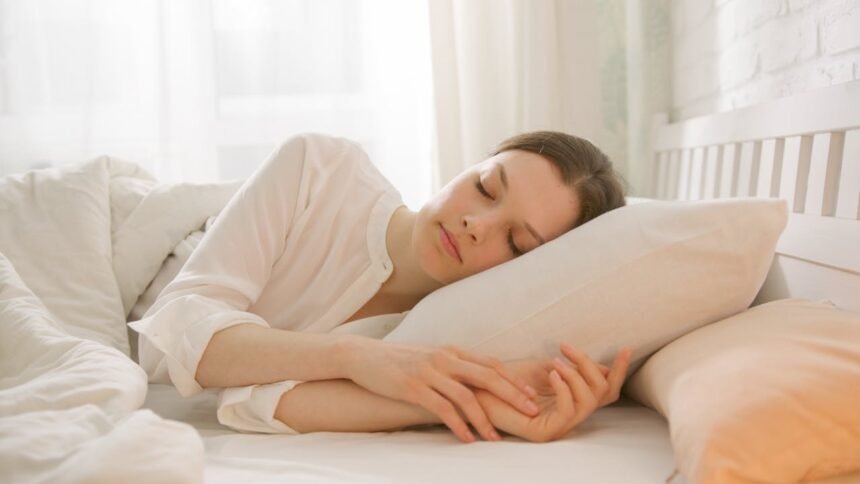
Sleep apnoea is often considered a condition that primarily affects older men. However, this is a dangerous misconception. Obstructive sleep apnoea (OSA) is surprisingly common in women, yet it remains significantly underdiagnosed. Research suggests that women present different symptoms than men, which leads to confusion in medical offices.
While men often display the classic loud snoring and gasping, women may experience subtler signs. These can range from morning headaches to mood disturbances. Because these symptoms overlap with other conditions, many women go untreated for years. Understanding the unique presentation of this disorder is the first step toward better health.
If you have looked at a common sleep disorders list and felt that nothing quite matches your experience, you are not alone. Sleep apnoea in women is a distinct health challenge. This article explores the signs, risks, and management strategies tailored specifically for women.
Why Symptoms Differ in Women
Biological differences play a massive role in how sleep apnoea manifests. Men tend to have structural differences in their upper airways that predispose them to loud airway collapse. Women, however, often have different muscle tone in the upper airway. This may prevent the loud, choking sounds often associated with the condition.
Furthermore, hormonal fluctuations throughout a woman’s life impact sleep quality. Progesterone, for example, is a respiratory stimulant. As levels drop during perimenopause and menopause, the airway becomes more prone to collapsing. This helps explain why the condition becomes more prevalent with age.
These biological nuances mean that standard screening questionnaires, often designed for male patterns, may fail to catch the condition in women. It is essential to look beyond the stereotype.
The Primary Signs You Might Miss
Unexplained Fatigue
One of the most pervasive symptoms in women is a deep sense of exhaustion. You might get a full night’s rest but still wake up feeling drained. This often leads people to ask, “why do i feel tired after 8 hours of sleep?”
In sleep apnoea, the quantity of sleep does not equal quality. Micro-awakenings occur dozens of times an hour as your breathing pauses. You may not remember waking up, but your brain never reaches the deep, restorative stages of rest. This results in excessive daytime sleepiness that coffee cannot fix.
Subtle Snoring
While not every woman with apnoea snores, many do. However, it is often described as “ladylike” or light snoring, rather than the roof-shaking noise men produce. Because it isn’t disruptive to a partner, it is frequently dismissed.
If you do snore, you might have tried to find out how to stop snoring naturally at home. You may have adjusted your pillows or changed positions. If these simple fixes do not work, it could indicate a mechanical obstruction in your airway that requires medical attention. See this guide from the British Lung Foundation for more on airway health.
Morning Headaches and Mood Changes
Waking up with a headache is a hallmark sign of sleep apnoea in women. This is often caused by low oxygen levels and high carbon dioxide retention during the night. The pain usually fades within an hour or two of waking.
Mood swings are another major indicator. Irritability, anxiety, and depressive symptoms are common. Because sleep deprivation affects emotional regulation, doctors may treat the mood disorder without investigating the underlying sleep issue. Consult Mind UK for more on the link between sleep and mental health.
Other Subtle Indicators
Vivid Dreams and Nightmares
Women with sleep apnoea often report intense dreaming or nightmares. When your breathing stops, your body surges with adrenaline to wake you up. This can interrupt REM sleep, leading to fragmented and memorable dream states.
If you are investigating the causes of vivid dreams every night, consider your breathing patterns. Frequent awakenings can make you recall dreams more vividly than someone who sleeps soundly through the night. This is a stress response from your body fighting for air.
Insomnia-like Symptoms
Many women describe their issue as “trouble falling asleep” or “trouble staying asleep.” This looks like classic insomnia. Doctors might suggest natural remedies for insomnia in elderly patients, assuming it is just an age-related sleep change. However, for many women, the inability to stay asleep is actually the body waking itself up to breathe.
Risk Factors for Women
Menopause and Age
As mentioned, menopause is a significant turning point. The decline in oestrogen and progesterone relaxes the throat muscles. Post-menopausal women are two to three times more likely to have sleep apnoea compared to pre-menopausal women. You can read more about hormonal changes on the NHS Menopause page.
Lifestyle and Diet
Weight gain is a well-known risk factor, but it is not the only one. Alcohol consumption and smoking can exacerbate symptoms. Additionally, diet plays a role. We know the effect of caffeine on sleep cycle stability is profound. Caffeine relaxes the throat muscles and delays sleep onset, creating a perfect storm for apnoea episodes if consumed too late in the day.
Managing Symptoms and Improving Sleep Hygiene
While medical treatment like CPAP therapy is the gold standard, lifestyle adjustments can support your treatment. Building a robust sleep routine is vital for anyone suffering from sleep disturbances.
Relaxation Techniques
Anxiety about not sleeping can make apnoea symptoms feel worse. To calm the nervous system, you might try the military sleep method step by step. This involves progressive muscle relaxation and visualization to shut down the body quickly. It can help you return to sleep faster after an apnoea event.
Mental preparation is also key. Using affirmations for sleep and anxiety can shift your mindset from panic to peace. Repeating phrases like “I am safe and relaxed” helps lower cortisol levels before bed. Learn more about relaxation from our guide on anxiety management.
Sleep Aids and Tools
Creating a sanctuary for rest is essential. Many women find relief using specific tools. For example, weighted eye mask benefits include gentle pressure that stimulates the vagus nerve, promoting relaxation. This can be particularly soothing if you are restless.
Aromatherapy is another popular addition. Research supports lavender oil for sleep benefits, noting it lowers heart rate and blood pressure. A few drops on your pillow might help you drift off. Furthermore, drinking herbal tea to help you sleep better, such as chamomile or valerian root, can act as a mild sedative.
If you want to track your snoring or sleep cycles, technology can help. There are many options when looking for the best sleep apps for free. These apps can record sounds at night, providing evidence you can show your GP.
Dealing with Co-occurring Issues
Nasal Congestion
Breathing difficulties are often compounded by allergies or colds. If you cannot breathe through your nose, your mouth opens, which increases the likelihood of airway collapse. Learning how to sleep with a stuffy nose is crucial. Elevating your head with an extra pillow and using saline sprays can keep the nasal passages clear. Check out Allergy UK for advice on managing night-time allergies.
Circadian Rhythm Disruption
Sometimes, apnoea messes up your internal clock so badly that your schedule flips. You might find yourself awake all night and sleepy all day. Knowing how to fix a reversed sleep schedule takes time and discipline. It involves rigorous light therapy and strictly controlling wake-up times. Read more about resetting your body clock here.
When to See a Doctor
Self-help strategies are useful, but they do not cure sleep apnoea. It is a serious medical condition. You should see a GP if your partner notices pauses in your breathing or if your fatigue affects your daily life.
When you research signs of sleep apnea in women, remember that the internet offers general advice. Only a sleep study can confirm the diagnosis. In the UK, this is often done through a referral to a sleep clinic. The Sleep Foundation offers excellent resources on what to expect during a study.
If diagnosed, treatments like CPAP (Continuous Positive Airway Pressure) or Mandibular Advancement Devices (MAD) are highly effective. NICE Guidelines provide the framework for how these treatments are administered in the UK.
The Bottom Line
Sleep apnoea in women is not just about snoring; it is about overall health. The symptoms are often overlooked or attributed to stress and aging. From recognizing why you wake up tired to understanding the impact of hormones, awareness is your best defence.
Do not dismiss your exhaustion. By tracking your symptoms, improving your sleep hygiene, and seeking professional help, you can reclaim your rest. Sleep is not a luxury; it is a biological necessity.
For more information on women’s health, visit The Royal College of Obstetricians and Gynaecologists or read our articles on heart health, menopause signs, stress reduction, healthy aging, nutrition for energy, and mental wellness.