
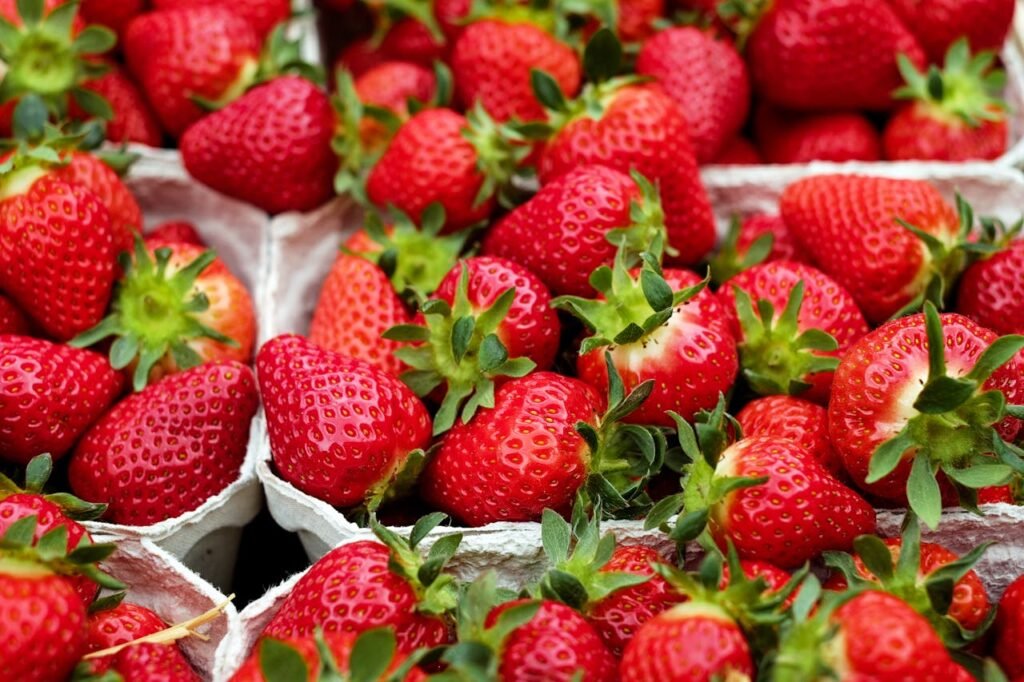
Strawberries are a quintessential part of the British summer. From Wimbledon courts to garden picnics, these bright red berries are a staple of the season. However, for some individuals, a simple bowl of strawberries can lead to an unexpected and unpleasant reaction.
While strawberries are widely celebrated for their vitamin C content and antioxidant properties, they can also trigger allergic reactions ranging from mild oral irritation to severe systemic responses. If you have noticed an itchy mouth or a skin rash after consuming this fruit, you are not alone.
Understanding the nuances of strawberry allergy symptoms is the first step towards managing the condition effectively. It is important to distinguish between a true food allergy, a food intolerance, and cross-reactivity issues like Oral Allergy Syndrome (OAS).
This article explores the science behind strawberry allergies, identifies the key warning signs, and provides actionable advice on how to navigate your diet safely. We will also look at how to secure a proper diagnosis through the UK healthcare system.
What Is a Strawberry Allergy?
A strawberry allergy occurs when your immune system mistakenly identifies proteins found in strawberries as harmful invaders. When you consume the fruit, your immune system responds by creating specific antibodies known as Immunoglobulin E (IgE).
These antibodies attach themselves to immune cells called mast cells. The next time you eat a strawberry, the proteins bind to the IgE antibodies, causing the mast cells to release chemicals such as histamine. It is this release of histamine that causes the classic symptoms of an allergic reaction.
According to a comprehensive guide on food allergies provided by the NHS, these reactions can happen within minutes of eating the offending food. However, the severity can vary significantly from person to person.
The Role of Genetics and Biology
The primary allergen in strawberries is a protein named Fra a 1. Interestingly, this protein shares a very similar structure to the proteins found in birch pollen. This is why many people who suffer from hay fever (seasonal allergic rhinitis) during the spring also experience reactions to strawberries.
This phenomenon is known as cross-reactivity. Your body struggles to tell the difference between the pollen it reacts to and the fruit protein. Understanding these immune system responses helps in determining whether you have a primary strawberry allergy or a secondary reaction driven by pollen sensitivity.
Symptoms, Signs, and Features
Recognising the symptoms early is crucial for effective management. Symptoms can manifest in various parts of the body, including the mouth, skin, digestive tract, and respiratory system. They typically appear within a few minutes to two hours after consumption.
Oral and Skin Symptoms
The most common immediate reactions involve the skin and the mouth. You might experience:
- Tingling or itching: A prickly sensation in the mouth, tongue, or throat.
- Swelling (Angioedema): Puffiness of the lips, tongue, face, or throat.
- Urticaria (Hives): Raised, red, itchy welts that can appear anywhere on the body.
- Eczema flare-ups: If you suffer from atopic dermatitis, eating strawberries might worsen your condition.
Digestive Distress
When the allergen reaches your stomach, it can cause gastrointestinal issues. These symptoms are easily confused with food intolerance but are part of the immune response:
- Stomach cramps and abdominal pain.
- Nausea and vomiting.
- Diarrhoea.
Respiratory Issues
In some cases, the reaction can affect your breathing. This is more concerning and requires immediate attention:
- Sneezing and a runny or blocked nose.
- Coughing or wheezing.
- Tightness in the chest.
Severe Reactions: Anaphylaxis
Although rare with strawberries compared to peanuts or shellfish, severe reactions can occur. Anaphylaxis is a medical emergency. Anaphylaxis UK highlights the critical signs of anaphylaxis to watch for:
- Difficulty breathing or noisy breathing.
- Swelling of the tongue or throat that restricts airflow.
- Sudden drop in blood pressure (hypotension).
- Dizziness, confusion, or loss of consciousness.
- A sense of impending doom.
If you suspect anaphylaxis, dial 999 immediately and ask for an ambulance.
Oral Allergy Syndrome (OAS)
Many people who think they are allergic to strawberries actually have Oral Allergy Syndrome (OAS). This condition, also known as Pollen-Food Syndrome, is rarely life-threatening but can be uncomfortable.
OAS is directly linked to the birch pollen cross-reactivity mentioned earlier.
Key Characteristics of OAS:
- Localised symptoms: The reaction is usually limited to the lips, mouth, and throat.
- Raw vs. Cooked: You may react to raw strawberries but be fine with strawberry jam or cooked desserts. Heat often breaks down the proteins that mimic pollen.
- Seasonal variance: Symptoms might be worse during the birch pollen season (spring).
Information from Guy’s and St Thomas’ NHS Foundation Trust suggests that peeling or cooking the fruit can often prevent pollen-food syndrome symptoms, as the allergens are heat-labile.
Diagnosis and Management
If you experience symptoms, self-diagnosis is not recommended. It is essential to see your General Practitioner (GP). They may refer you to an allergy clinic for further testing.
Diagnostic Tests
- Skin Prick Test: A tiny amount of the allergen is placed on your skin, which is then pricked. If a red bump appears, it indicates an allergy. You can read more about skin prick testing on Patient.info.
- Specific IgE Blood Test: Formerly known as a RAST test, this measures the amount of antibody in your blood.
- Oral Food Challenge: Under strict medical supervision, you eat small amounts of the fruit to observe reactions.
Dietary Management
The primary treatment is avoidance. However, this can be tricky. You must become vigilant about checking labels.
- Read Labels: Under UK allergen labelling regulations, 14 major allergens must be highlighted. Unfortunately, strawberries are not one of the top 14, so you must read the full ingredients list carefully.
- Be Careful When Dining Out: Always inform restaurant staff of your allergy.
- Find Alternatives: Raspberries or blueberries might be safe alternatives, but check with your doctor first. For dietary management strategies, the British Dietetic Association offers excellent resources.
Comparison: Allergy vs. Intolerance vs. OAS
Understanding the difference between these conditions is vital for determining the level of caution required. The table below breaks down the key distinctions.
| Feature | True Strawberry Allergy | Oral Allergy Syndrome (OAS) | Strawberry Intolerance |
|---|---|---|---|
| Cause | Immune system reaction (IgE antibodies). | Cross-reaction with pollen (usually birch). | Digestive system inability to process compounds. |
| Onset | Immediate (minutes to 2 hours). | Immediate (upon contact with mouth). | Delayed (hours later). |
| Key Symptoms | Hives, swelling, breathing issues, anaphylaxis. | Itchy mouth, throat tingling, mild swelling. | Bloating, gas, diarrhoea, stomach pain. |
| Systemic Risk | High (can affect whole body). | Low (usually localised to mouth). | None (digestive discomfort only). |
| Response to Cooking | Reaction persists (proteins are stable). | Often tolerated (heat destroys proteins). | Intolerance persists regardless of cooking. |
| Treatment | Strict avoidance, antihistamines, EpiPen. | Avoid raw fruit, antihistamines. | Limit intake, manage digestive symptoms. |
Frequently Asked Questions
Can you suddenly develop a strawberry allergy?
Yes. Adults can develop food allergies at any time, even to foods they have eaten safely for years. BBC News has reported on the rising rates of allergies in the UK adult population.
Is strawberry allergy rare?
True strawberry allergy is relatively uncommon compared to milk, egg, or nut allergies. However, adverse reactions due to Oral Allergy Syndrome are frequently reported.
Can I eat strawberry flavouring?
It depends. Artificial strawberry flavouring does not contain the Fra a 1 protein and is usually safe. However, natural flavourings might contain real fruit extracts. Always check the label.
Will washing strawberries remove the allergen?
No. The allergen is a protein inside the fruit’s flesh, not a pesticide or chemical on the surface. Washing will not make them safe for an allergic person.
The Bottom Line
While strawberries are a delicious symbol of summer, they pose a genuine risk for some. Whether you are dealing with a mild case of Oral Allergy Syndrome or a potential true allergy, recognising the strawberry allergy symptoms is the key to safety.
If you suspect you have an allergy, do not rely on guesswork. Consult a healthcare professional to get a clear diagnosis. For those with severe allergies, carrying two adrenaline auto-injectors is a non-negotiable precaution.
By understanding your body’s reactions and planning your diet carefully with healthy alternatives from trusted sources like BBC Good Food, you can enjoy a varied diet without the fear of an allergic reaction. Always prioritise your health and seek medical advice if you are unsure.