
As a parent, you likely spend a lot of time thinking about what goes into your child’s lunchbox. While we often focus on vitamins, minerals, and “five-a-day” targets, there is a hidden world inside your child that deserves just as much attention: the healthy gut microbiome. This complex ecosystem of trillions of bacteria plays a pivotal role in everything from digestion to mental well-being.
One of the most effective ways to support this internal “garden” is through the regular inclusion of fermented foods. Once a staple of traditional diets, these “living” foods are making a massive comeback as we discover more about their impact on immune system health and overall development. In this comprehensive guide to Fermented Foods for Children: A Parent’s Guide to Gut Health, we’ll explore how to safely introduce these powerhouses to your little ones and why they are the ultimate natural digestive support.
What Exactly Are Fermented Foods?
Fermentation is an ancient process where natural bacteria, yeasts, or fungi break down the sugars and starches in food. This process creates lactic acid or alcohol, which acts as a natural preservative and, more importantly, creates probiotics for kids. These beneficial bacteria travel to the large intestine, where they help balance the gut flora.
According to the NHS, maintaining a diverse range of gut bacteria is essential for healthy digestion and preventing issues like bloating or constipation. For children, whose microbiomes are still maturing, these foods act as a foundation for lifelong health.
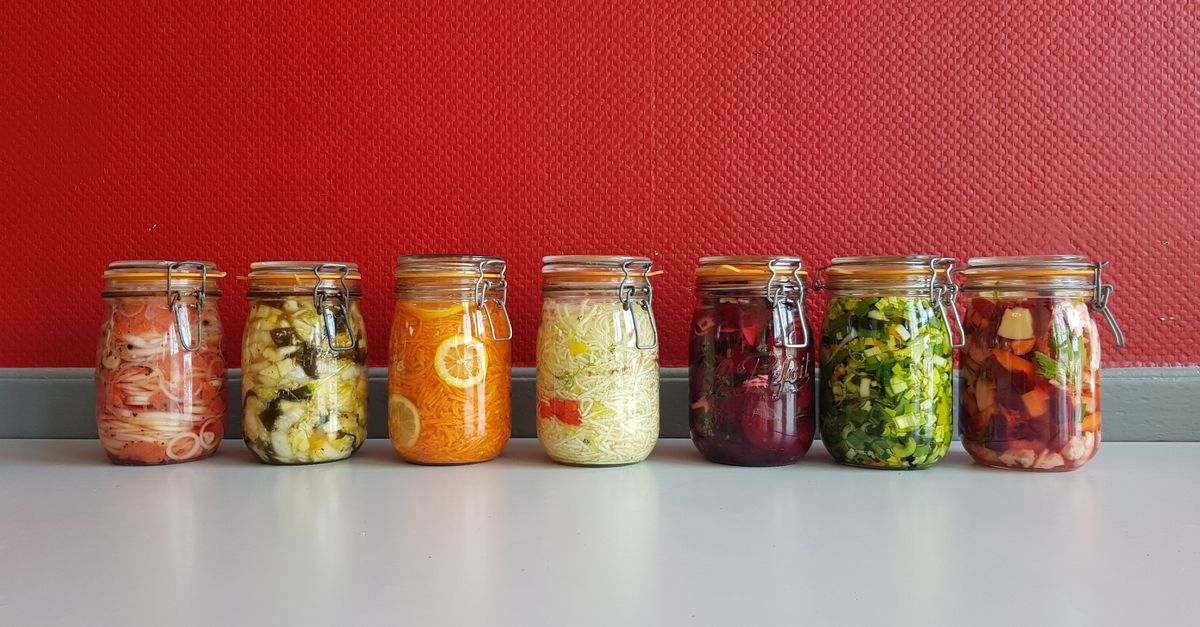
The Benefits of Fermentation for Growing Bodies
Why should you bother swaping a standard snack for a fermented one? The benefits extend far beyond just an easier time on the potty.
- Enhanced Nutrient Absorption: Fermentation “pre-digests” certain components of food, making it easier for the body to absorb nutrients like B vitamins, magnesium, and iron.
- Immune Support: Approximately 70-80% of the immune system resides in the gut. By introducing beneficial bacteria, you are essentially training your child’s immune system to recognise and fight off pathogens.
- Mood Regulation: The gut-brain axis is a two-way communication line. A healthy gut can lead to better mood stability and improved focus, as much of the body’s serotonin is produced in the digestive tract.
- Reduced Sensitivity: Exposure to diverse bacteria early in life may help reduce the risk of allergies and eczema.
The Best Fermented Foods for Children
Not all fermented foods are created equal, and some may be a bit too “adventurous” for a toddler’s palate. Here are the most kid-friendly options to start with.
1. Yogurt and Fermented Dairy
The most accessible entry point is fermented dairy. Traditional yogurt contains live cultures like Lactobacillus bulgaricus. When shopping, always look for “live and active cultures” on the label and choose “plain” versions to avoid the massive amounts of sugar found in kids’ dessert-style yogurts. You can sweeten it at home with mashed banana or a drizzle of honey (if the child is over one year old).
2. Kefir for Toddlers
If yogurt is the entry-level option, kefir for toddlers is the gold standard. Kefir is a fermented milk drink that contains significantly more strains of beneficial bacteria and yeast than standard yogurt. Its thin consistency makes it perfect for smoothies or as a “special milk” in a cup. Research published in Nature suggests that the diverse microbial profile of kefir can significantly impact gut health diversity.
3. Sauerkraut and Pickles
While the sour tang might be surprising at first, many children actually enjoy the “crunch” of fermented vegetables. Ensure you are buying “raw” or “unpasteurised” versions from the refrigerated section. Canned or shelf-stable pickles are usually made with vinegar and heat, which kills the beneficial probiotics.
4. Miso
Miso is a Japanese paste made from fermented soybeans. It is mild, salty, and incredibly versatile. A warm (not boiling) miso soup can be a comforting gut-friendly snack on a cold afternoon. Because it is high in sodium, use it sparingly for younger children.
Comparing Fermented Options for Kids
Use the table below to decide which fermented food is the best fit for your child’s current eating habits.
| Food Type | Probiotic Punch | Child Appeal | Best Way to Serve |
|---|---|---|---|
| Plain Yogurt | Moderate | High | With fresh berries or granola. |
| Milk Kefir | Very High | Medium | Blended into a fruit smoothie. |
| Raw Sauerkraut | High | Low/Medium | Small amount on a cheese sandwich. |
| Tempeh | Moderate | Medium | Stir-fried in small cubes. |
Tips for Introducing Fermented Foods to Picky Eaters
Introducing new textures and flavours can be a challenge. The key is to start small and stay consistent. The Mayo Clinic emphasizes that it can take up to 15 tries for a child to accept a new food.
- The “Micro-Dose” Method: Start with just a teaspoon of kefir mixed into their regular milk or a tiny piece of fermented pickle on the side of their plate.
- Keep it Cool: Don’t cook fermented foods! High heat kills the live bacteria. If you’re adding miso to soup or sauerkraut to a hot dog, wait until the food has cooled to eating temperature first.
- Be a Role Model: Children are far more likely to try something if they see you enjoying it. Let them see you eating your gut-friendly snacks with enthusiasm.
- Flavour Pairing: Mix tangy fermented vegetables with fats. For example, a little sauerkraut mixed into mashed avocado (guacamole) can mask the sharpness while providing a nutritional boost.
Safety and Considerations
When discussing Fermented Foods for Children: A Parent’s Guide to Gut Health, safety is paramount. According to the British Dietetic Association, probiotics are generally safe for healthy children, but there are a few rules to follow:
Check the Label: Avoid “unpasteurised” honey in ferments for children under one. Also, keep an eye on salt content, especially in miso and pickles, as children’s kidneys are still developing.
Watch for Bloating: If your child is new to fermented foods, introducing too much too quickly can cause temporary gas or bloating. Start with one serving every few days and gradually increase to daily portions.
Consult a Professional: If your child is immunocompromised or has a serious underlying health condition, always speak with a GP or paediatrician before introducing therapeutic levels of fermented foods.
For more detailed scientific insights into how different bacterial strains affect the body, you can explore resources on PubMed to see the latest clinical trials regarding paediatric gut health.
Frequently Asked Questions (FAQs)
At what age can children start eating fermented foods?
Most children can begin eating mild fermented foods like plain yogurt or kefir as soon as they start solids, typically around 6 months. For more complex ferments like sauerkraut, wait until they are comfortable with textures, usually around 12 months, and ensure the salt content is minimal.
Can fermented foods replace probiotic supplements?
In many cases, yes. Fermented foods often provide a wider variety of bacterial strains than a single supplement. However, if a doctor has prescribed a specific probiotic for a condition like post-antibiotic recovery, follow their medical advice. Think of fermented foods as daily maintenance and supplements as targeted therapy.
My child hates the sour taste. What should I do?
Focus on “invisible” ferments. You can use kefir as a base for salad dressings or dip, or blend it with frozen fruit to make healthy “ice cream.” The goal isn’t to force the flavour, but to integrate the benefits into meals they already love.
Is kombucha safe for kids?
Kombucha can be tricky. Some varieties contain small amounts of caffeine and trace amounts of alcohol (as a natural byproduct of fermentation). Additionally, many commercial kombuchas are very high in sugar. For younger children, stick to yogurt, kefir, and fermented vegetables instead.
The Bottom Line
Nurturing your child’s healthy gut microbiome is a long-term investment in their health. By introducing fermented dairy, kefir for toddlers, and other probiotics for kids early on, you are helping them build a resilient immune system and a happy digestive tract. Remember, it doesn’t have to be complicated—a simple dollop of yogurt or a crunchy pickle can make a world of difference. Start small, be patient, and watch your child thrive from the inside out.