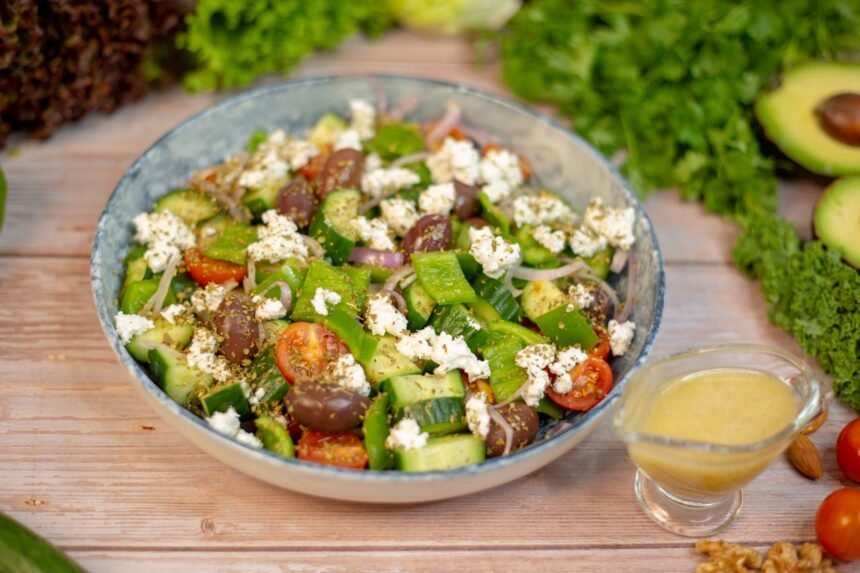
Finding a midday meal that satisfies your hunger without causing an afternoon energy crash can be a significant challenge. We have all experienced the dreaded ‘3pm slump’—that heavy, lethargic feeling that sets in shortly after a carbohydrate-heavy lunch.
For many, the standard sandwich or pasta salad simply does not provide the sustained fuel required for a busy afternoon. This is where low-carb paleo lunch ideas can revolutionise your daily routine. By focusing on whole, unprocessed foods and eliminating grains, legumes, and refined sugars, you can stabilise your blood sugar levels and maintain mental clarity throughout the day.
Navigating dietary changes can feel overwhelming, especially when you are trying to balance work, family, and health. However, adopting a Paleo-style approach to lunch does not mean spending hours in the kitchen. It is about making smarter choices that prioritise nutrient density over empty calories.
In this article, we will explore 10 delicious, easy-to-prepare lunch options that adhere to Paleo principles while keeping carbohydrate counts low. Whether you are looking to lose weight, improve your metabolic health, or simply feel more vibrant, these meals are designed to support your goals.
What Is a Low-Carb Paleo Lunch?
A low-carb Paleo lunch combines the core tenets of the Palaeolithic diet with a focus on limiting carbohydrate intake. The Paleo framework encourages eating foods that our hunter-gatherer ancestors might have consumed, while a low-carb approach specifically targets metabolic efficiency.
The Core Principles
To construct the perfect plate, you need to focus on specific food groups while strictly avoiding others. A balanced low-carb Paleo meal typically includes:
- High-Quality Protein: Grass-fed meats, free-range poultry, fish, and eggs.
- Healthy Fats: Avocados, olive oil, coconut oil, nuts, and seeds.
- Non-Starchy Vegetables: Leafy greens, broccoli, cauliflower, courgettes, and peppers.
Conversely, you will need to eliminate:
- Grains: Wheat, rice, oats, and barley.
- Legumes: Beans, lentils, peanuts, and soy.
- Processed Sugar: High-fructose corn syrup, artificial sweeteners, and refined table sugar.
- Dairy: Most strict Paleo protocols exclude dairy, though some variations allow grass-fed butter or ghee.
Why It Boosts Energy
The primary benefit of this dietary approach is the stabilisation of blood glucose. High-carbohydrate meals often lead to a rapid spike in blood sugar, followed by a sharp decline. This crash is what triggers fatigue and cravings.
By prioritising fats and proteins, you provide your body with a slow-burning fuel source. This can help you avoid the rollercoaster of energy peaks and troughs. For more information on how diet affects energy levels, you can consult resources from the NHS.
Furthermore, focusing on whole foods ensures you are consuming essential micronutrients rather than empty fillers. It is a strategy often used to improve metabolic flexibility, which is the body’s ability to switch between burning carbs and burning fat for fuel.
10 Low-Carb Paleo Lunch Ideas for Sustained Energy
Here are ten actionable, delicious lunch ideas that are perfect for meal prepping or quick assembly. These recipes prioritise flavour and nutrition to keep you satisfied until dinner.
1. Smoked Salmon and Avocado Salad
This meal is a powerhouse of healthy fats. Oily fish is an excellent source of Omega-3 fatty acids, which are crucial for heart health and brain function. Pair high-quality smoked salmon with half a sliced avocado, a handful of peppery rocket, and a drizzle of extra virgin olive oil.
- Why it works: The combination of protein and monounsaturated fats provides high satiety.
- Tip: Ensure you check the label on smoked salmon to avoid brands with added sugar.
2. Bunless Turkey Burgers
Burgers do not need a bun to be enjoyable. Prepare turkey patties using minced turkey, chopped herbs, and onion. Serve them atop a large Portobello mushroom or wrapped in crisp iceberg lettuce leaves.
- Why it works: Turkey is a lean protein that contains tryptophan, a precursor to serotonin. You can read more about healthy protein choices from the British Nutrition Foundation.
- Tip: Add a dollop of homemade guacamole for extra creaminess.
3. Courgetti with Pesto and Chicken
‘Courgetti’ (spiralised courgette) is a fantastic low-carb alternative to pasta. Toss raw or lightly sautéed courgette noodles with a dairy-free basil pesto and grilled chicken breast slices.
- Why it works: You get the comfort of a pasta dish without the heavy carbohydrate load.
- Tip: If you are looking for varied ways to cook vegetable noodles, BBC Food offers excellent preparation tips.
4. Hard-Boiled Egg and Spinach Pots
Perfect for eating on the go, these protein pots are simple yet effective. Layer baby spinach, cherry tomatoes, cucumber slices, and two hard-boiled eggs. Top with pumpkin seeds for a crunch.
- Why it works: Eggs are a complete protein source. The seeds add magnesium and texture.
- Tip: Batch cook your eggs at the start of the week to save time.
5. Tuna and Cucumber ‘Boats’
Scoop out the seeds of a cucumber halve to create a hollow ‘boat’. Fill it with a mixture of tinned tuna, dairy-free mayonnaise, and spring onions. It is hydrating and protein-rich.
- Why it works: This meal requires no cooking and is incredibly hydrating. Always try to choose sustainable seafood; look for the blue label from the Marine Stewardship Council.
- Tip: Add a sprinkle of chilli flakes for a metabolism-boosting kick.
6. Cauliflower Fried Rice
Replace traditional white rice with grated cauliflower. Sauté it in coconut oil with diced carrots, peas (in moderation), cooked prawns, and scrambled egg. Season with coconut aminos instead of soy sauce.
- Why it works: Cauliflower is a cruciferous vegetable high in fibre and Vitamin C.
- Tip: Food processors can grate a head of cauliflower in seconds.
7. Leftover Roast Beef with Horseradish
Utilise leftovers from your Sunday roast. Slice cold roast beef thinly and serve with steamed asparagus and a side of fresh radish. Use a high-quality horseradish sauce (check for sugar).
- Why it works: Red meat provides haeme iron, which is vital for preventing fatigue.
- Tip: Understanding the glycaemic index of your sides is key; read more at Diabetes UK.
8. Prosciutto-Wrapped Asparagus Spears
Wrap distinct spears of asparagus in high-quality prosciutto and bake until crisp. Serve this with a side of mixed nuts and olives for a tapas-style lunch.
- Why it works: It feels indulgent but keeps carbs very low. The saltiness satisfies cravings.
- Tip: This can be eaten cold, making it perfect for office lunches.
9. Spicy Pumpkin and Coconut Soup
While pumpkins are higher in carbs than leafy greens, they are Paleo-friendly. Blend roasted pumpkin with coconut milk, ginger, and turmeric for an anti-inflammatory soup.
- Why it works: Liquid meals can be easier on digestion. Turmeric adds potent antioxidant properties.
- Tip: Add collagen peptides for an invisible protein boost.
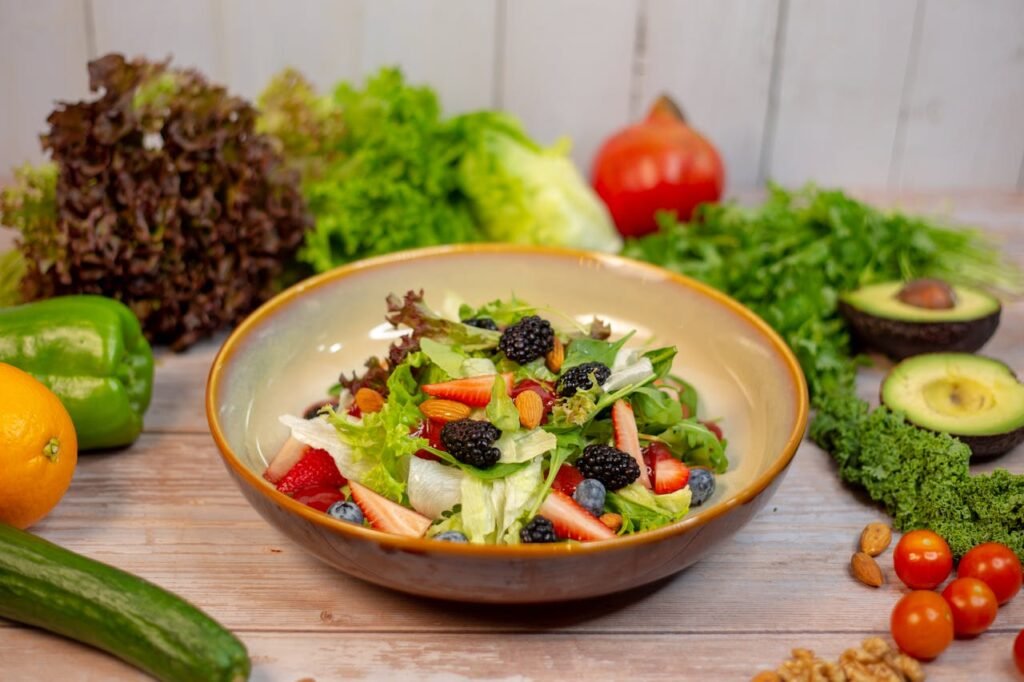
10. Chicken and Berry Salad with Walnuts
Fruit can be part of a low-carb lunch if you choose wisely. Mix mixed greens with grilled chicken, a small handful of blueberries, and crushed walnuts. Dress with apple cider vinegar.
- Why it works: Berries are low-glycaemic fruits packed with polyphenols.
- Tip: To understand the broader benefits of this diet, check out the comprehensive guide on Healthline.
Nutritional Comparison
To understand why these swaps matter, look at the difference between a standard ‘Meal Deal’ and a Low-Carb Paleo lunch.
| Nutrient Factor | Standard Sandwich Meal Deal | Low-Carb Paleo Lunch | Impact on Body |
|---|---|---|---|
| Primary Fuel | Refined Carbohydrates | Healthy Fats & Protein | Fats provide longer-lasting energy compared to sugar. |
| Fibre Content | Low (often white bread) | High (vegetables) | Fibre aids digestion and fullness. |
| Processed Sugar | High (drinks/snacks) | Negligible | Less sugar means stable insulin levels. |
| Energy Crash | High Risk | Low Risk | Stable blood glucose prevents the 3pm slump. |
Practical Tips for Success
Switching your lunch routine requires a bit of planning. Here are three tips to ensure you stick to your new habits.
1. Invest in Glass Storage Containers
Plastic containers can stain and retain odours. Glass is durable, eco-friendly, and keeps food tasting fresh. Proper storage is also vital for food safety; always follow guidelines from the Food Standards Agency.
2. Prep Components, Not Just Meals
Instead of making five identical meals, prep ingredients separately. Roast a tray of vegetables, boil six eggs, and cook a batch of chicken. This allows you to mix and match throughout the week to avoid boredom.
3. Listen to Your Body
If you feel tired, you may need more salt or water. Low-carb diets can have a diuretic effect. Ensure you are drinking enough fluids. Keeping active is also part of the energy equation—check GOV.UK for activity guidelines to pair with your diet.
Frequently Asked Questions
Can I eat fruit on a low-carb Paleo diet?
Yes, but in moderation. Stick to low-sugar fruits like berries (strawberries, raspberries, blueberries) and avoid high-sugar tropical fruits like mangoes or bananas if you are strictly watching carb counts.
Is the Paleo diet the same as Keto?
Not exactly. While both can be low-carb, Paleo focuses on food quality (no processed foods/grains), whereas Keto focuses strictly on macronutrient ratios (high fat, very low carb) to induce ketosis. Many Paleo meals are naturally Keto-friendly.
What if I am still hungry?
If you find yourself hungry, you likely need to increase your intake of healthy fats. Add half an avocado or a handful of macadamia nuts to your meal.
The Bottom Line
Adopting low-carb paleo lunch ideas is a powerful strategy to reclaim your afternoon energy and support long-term health. By removing processed grains and sugars, you allow your body to function on cleaner, more sustainable fuel.
Remember, nutrition is highly individual. It is about finding what works for your unique physiology and lifestyle. Start with one or two of these recipes this week and observe how your energy levels shift.
Taking care of your physical health often has positive knock-on effects for your mental wellbeing. For support on how food affects your mood, resources like Mind offer valuable insights. Small changes to your lunchbox can lead to significant changes in your life.