Dealing with digestive discomfort is never a pleasant experience. Whether it is the sluggish feeling of constipation, the unpredictability of irregularity, or the general discomfort of bloating, gut health significantly impacts your quality of life. When your digestive system is out of sync, it can affect your energy levels, your mood, and your overall sense of wellbeing. Many people instinctively turn to over-the-counter remedies to alleviate these symptoms quickly.
However, diet plays a much more fundamental role in maintaining long-term digestive health. You might have heard that certain fruits act as effective natural laxatives, providing a gentler alternative to pharmaceutical options. Mangoes, frequently referred to as the ‘king of fruits’, are often mentioned in this conversation due to their fibrous texture and high water content. But is this tropical delight actually effective for moving things along, or is it just a sweet treat?
In this detailed guide, we explore the scientific connection between mango and digestion. We will analyse the specific nutritional components that may aid bowel movements, such as fibre types and phytochemicals. We will also provide actionable tips on how to incorporate this fruit into your diet safely. Our goal is to help you understand if adding mango to your daily routine can genuinely help alleviate the frustrating symptoms of constipation and improve your gut motility.
What Makes Mango Good for Digestion?
To understand why mangoes might help with constipation, we must first look at their impressive nutritional profile. Mangoes are not just sugary treats; they are complex fruits packed with bioactive compounds, vitamins, and minerals that support various bodily functions. The primary reason nutritionists often recommend mango for gut health revolves around two key factors: dietary fibre and water content. However, recent research suggests there is more to the story than just roughage.
The Role of Dietary Fibre
Mangoes contain both soluble and insoluble fibre. Insoluble fibre adds bulk to your stool, which helps food pass more quickly through the stomach and intestines. Soluble fibre, on the other hand, absorbs water and forms a gel-like substance, which can help soften stools. According to the British Nutrition Foundation, a healthy adult should aim for 30g of dietary fibre per day, yet many people in the UK fall short of this target.
A medium-sized mango can provide approximately 3 to 5 grams of fibre. While this might not seem like a massive amount compared to beans or bran, it is a significant contribution when consumed as part of a balanced diet. The combination of fibre types makes mango a versatile tool for digestive maintenance, potentially helping to prevent the dry, hard stools associated with constipation.
Digestive Enzymes
Unlike many other fruits, mangoes contain a group of digestive enzymes known as amylases. These enzymes break down complex carbohydrates into sugars like glucose and maltose. These enzymes are more active in ripe mangoes, which is also why the fruit becomes sweeter as it ripens. By aiding the breakdown of food in the stomach, these enzymes may facilitate smoother digestion and prevent the heavy feeling often felt after large meals.
Polyphenols and Gut Inflammation
Mangoes are rich in polyphenols, which are plant compounds that function as antioxidants. Some studies suggest that these polyphenols can help reduce inflammation in the digestive tract. A calmer gut is often a more efficient one. The unique combination of fibre and polyphenols has been the subject of various health benefits of mango studies, some of which indicate that mangoes might be more effective than fibre powder supplements alone for relieving constipation.
Actionable Steps: Using Mango for Gut Health
Simply eating a mango every now and then might not cure chronic constipation instantly. To see real results, consistency and context are key. Below, we break down exactly how to utilise mango effectively within a diet plan that follows the principles of The Eatwell Guide.
1. Choose the Right Ripeness
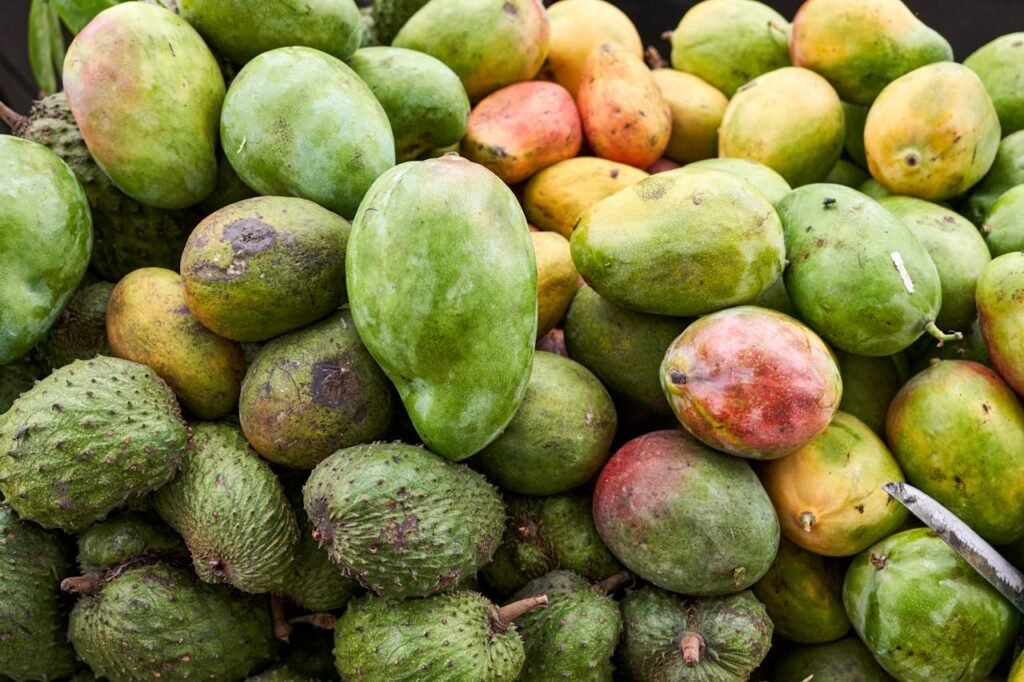
Ripe Mangoes: These contain higher levels of amylase enzymes and digestible sugars. They are generally easier to digest and provide quick energy. If you are feeling bloated or sluggish after a meal, a ripe mango might be the better choice.
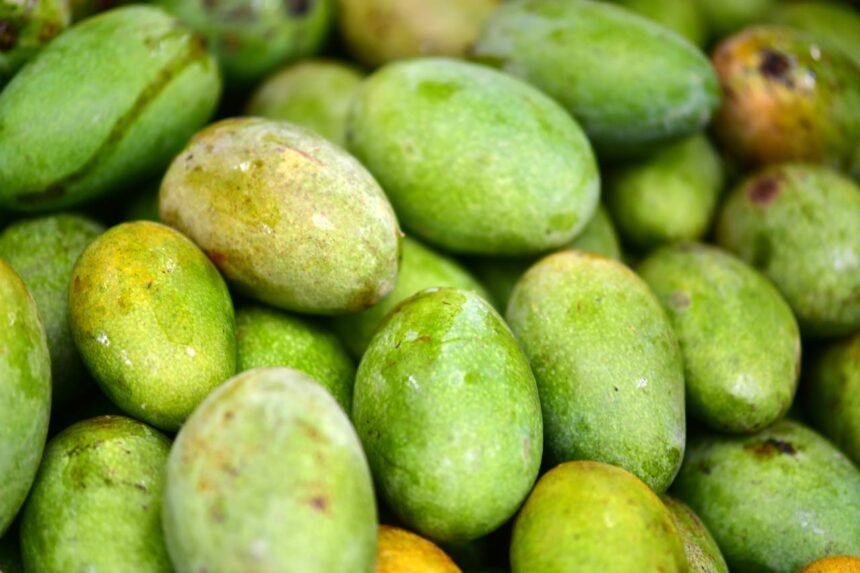
Unripe (Green) Mangoes: These are higher in pectin and resistant starch. Resistant starch functions similarly to soluble fibre, feeding the beneficial bacteria in your gut. However, be cautious; eating too much unripe mango can sometimes lead to acid indigestion or further irritation in sensitive stomachs.
2. Hydration is Critical
Fibre acts like a sponge; it needs water to work. If you increase your fibre intake by eating more mangoes but do not drink enough fluids, you may actually worsen your constipation. The fibre can become hard and dry in the colon. The BDA (The Association of UK Dietitians) emphasizes the importance of hydration alongside fibre intake. Ensure you are drinking plenty of water throughout the day to help the fibre move through your system efficiently.
3. Timing Matters
Some people find that eating fruit on an empty stomach helps with bowel movements, while others prefer it as a dessert. For constipation relief, try eating a portion of mango as a mid-morning snack. This allows the digestive system to process the fibres and sugars without the heavy load of a full meal, potentially stimulating the gastrocolic reflex which encourages a bowel movement.
Comparison: Mango vs. Other Digestive Aids
It is helpful to see how mango stacks up against other common natural remedies for constipation. While prunes are the gold standard due to their sorbitol content, mangoes offer a different set of benefits that might be preferable for those who dislike the taste of dried plums.
| Feature | Mango | Prunes | Kiwi Fruit | Psyllium Husk |
|---|---|---|---|---|
| Primary Mechanism | Fibre + Amylase Enzymes | Fibre + Sorbitol | Fibre + Actinidin Enzyme | Pure Soluble Fibre |
| Taste Profile | Sweet, Tropical | Sweet, Concentrated | Tart, Sweet | Bland, Chalky |
| Fibre Content (per 100g) | ~1.6g | ~7.1g | ~3.0g | ~78g |
| Water Content | High (~83%) | Low (~30%) | High (~83%) | Very Low |
| Best For | Mild constipation & Bloating | Moderate to severe constipation | Regularity & IBS | Supplementation |
| Risk of Gas | Moderate (Fructose) | High (Sorbitol) | Low | High (Initial) |
Note: Data represents average values. Individual tolerance varies.
Frequently Asked Questions
When making dietary changes to manage specific symptoms like bloating and wind, it is natural to have questions. Here are some common queries regarding mangoes and digestion.
Is mango high in sugar?
Yes, mangoes are relatively high in natural sugars compared to berries or tart fruits. However, because they contain fibre, the sugar is absorbed more slowly into the bloodstream than refined sugar. If you are managing blood sugar levels, it is best to stick to smaller portions, perhaps half a mango, and pair it with a source of protein or healthy fat, like yoghurt or nuts.
Can mango cause diarrhoea?
For most people, mango promotes healthy regularity. However, because mangoes contain fructose, eating them in very large quantities can cause loose stools, especially in individuals with fructose malabsorption. If you have a sensitive stomach, start with a small amount to test your tolerance.
Should I eat the skin?
While mango skin contains high concentrations of phytochemicals, it also contains urushiol, a compound found in poison ivy, which can cause allergic reactions in some people. Furthermore, the skin is tough and difficult to digest. For the purpose of relieving constipation effectively without irritation, it is generally recommended to peel the fruit. The flesh is a sufficiently versatile ingredient for smoothies, salads, or snacking.
Is fresh or dried mango better for constipation?
Dried mango is a more concentrated source of fibre, which can be good for constipation. However, it is also much higher in sugar and calories by weight, and it lacks the hydration of fresh fruit. Fresh mango provides the water necessary to help the fibre do its job. If you choose dried mango, ensure you drink extra water to compensate.
The Bottom Line
Mango is more than just a delicious addition to a fruit salad; it is a scientifically supported aid for digestion. Thanks to its combination of soluble fibre, water, and amylase enzymes, it can help soften stools and increase bowel movement frequency. It serves as a gentler alternative to harsh laxatives and offers a nutrient-dense profile that supports overall health, including a heart-healthy diet.
While it may not be as potent as prunes for severe cases, mango helps improve stool consistency and reduces the inflammation often associated with constipation. Incorporating it into a balanced diet is a safe strategy for most people.
If you are struggling with chronic constipation, rely on mango as part of a broader approach that includes high fluid intake and regular physical activity. Enjoy the tropical flavour, and let nature help keep your digestive system moving smoothly.