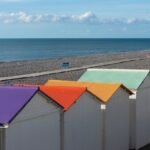
Have you ever noticed that after a day spent wandering along the shoreline, you fall into a slumber so profound it feels transformative? This phenomenon, often referred to as salt air sleep, isn’t just a figment of your imagination. There is a fascinating intersection of biology, physics, and psychology that explains why coastal environments seem to hold the key to the ultimate night of rest.
Whether it’s the microscopic sea spray or the rhythmic sound of waves, the seaside offers a unique cocktail of sensory inputs that can optimise our internal recovery systems. In this guide, we’ll explore the science of seaside slumber and how you can replicate those benefits at home.
The Science of Negative Ions and Coastal Air
One of the primary reasons salt air sleep is so effective involves the presence of negative ions. These are oxygen atoms charged with an extra electron, created by the energy of breaking waves. When we breathe in this air, these ions are thought to reach our bloodstream and produce biochemical reactions.
Research published in Nature suggests that high concentrations of these ions can help regulate serotonin production, the chemical linked to mood and stress. By balancing serotonin, the body can more easily transition into a relaxed state, making it easier to fall asleep and stay asleep.
Furthermore, the air quality at the coast is generally superior to that of urban centres. Coastal breezes help disperse pollutants, providing a cleaner environment for respiratory health. According to the NHS, clean air is fundamental to preventing nighttime coughing and congestion, which frequently disrupt the sleep cycle.
How the Ocean Environment Influences Your Body
It isn’t just about what you breathe; it’s about how your entire body reacts to the beach. Beach holidays offer several physiological advantages:
- Magnesium Absorption: Sea water is rich in minerals. Some experts suggest that magnesium absorption through the skin (transdermal) while swimming can promote muscle relaxation, a claim often discussed in ScienceDirect.
- Circadian Rhythm Alignment: Exposure to natural sunlight by the sea helps regulate your circadian rhythm. The Mayo Clinic highlights that natural light exposure is crucial for setting your internal clock.
- Melatonin Levels: As the sun sets over the horizon, the natural transition from bright day to dark night triggers the healthy release of melatonin levels, the hormone responsible for sleep.
A Comparison: Urban vs. Coastal Sleep Environments
To understand why salt air sleep is superior, let’s look at how the coastal environment compares to a typical city bedroom.
| Feature | Urban Environment | Coastal Environment |
|---|---|---|
| Air Quality | High in particulates/CO2 | Rich in negative ions and oxygen |
| Sound Profile | Intermittent, jarring noise | Rhythmic “white noise” (waves) |
| Stress Triggers | High (Artificial lights, sirens) | Low (Natural vistas, blue space) |
| Sleep Depth | Often fragmented | Likely deeper sleep and REM |
The Psychological Impact: Blue Space and Stress Reduction
The term “Blue Space” refers to the psychological benefits of being near water. A study highlighted by the Mental Health Foundation notes that coastal proximity is linked to significant stress reduction. The vastness of the ocean encourages a cognitive state known as “soft fascination,” which allows the brain to recover from the “directed attention fatigue” of modern life.
When our minds are less cluttered, our melatonin levels can do their work more effectively. This mental clarity is a cornerstone of salt air sleep. Furthermore, the sound of waves acts as a natural form of pink noise. Unlike white noise, pink noise has a frequency that slows down brain waves, as explored in Psychology Today, leading to a more stable and restful sleep state.
Halotherapy and Respiratory Benefits
Many people find that their breathing becomes clearer at the coast. This is essentially natural halotherapy (salt therapy). The tiny particles of salt in the ocean breeze act as an expectorant, clearing the airways. For those with minor respiratory health issues, this can mean less snoring and fewer apnoeas during the night.
Organisations like the Asthma + Lung UK (formerly the British Lung Foundation) often discuss how humidity and air purity affect breathing. The moist sea spray keeps the nasal passages from drying out, which is a common cause of sleep disruption in centrally heated homes.
Can You Replicate “Salt Air Sleep” at Home?
If you aren’t lucky enough to live by the shore, you can still take steps to optimise your bedroom environment to mimic the seaside effect:
- Use a Pink Noise Machine: Download an app or buy a device that specifically plays the sound of waves to steady your heart rate.
- Introduce Salt Lamps: While the evidence on negative ions from lamps is still emerging on Cochrane, many find the warm orange glow helps with relaxation.
- Cool Your Room: Coastal air is often cooler at night. According to the Sleep Foundation, the ideal temperature for sleep is around 18°C.
- Improve Air Circulation: Open a window to allow fresh air to circulate, reducing CO2 buildup which can cause morning grogginess.
For more detailed insights into environmental health, you can consult reports from the World Health Organization regarding indoor air quality and its impact on long-term wellness.
Final Thoughts
The concept of salt air sleep is more than just a holiday luxury; it is a testament to how our bodies are biologically tuned to the natural world. By combining the power of negative ions, the calming effect of blue space, and the respiratory benefits of halotherapy, the seaside provides the perfect conditions for restorative rest. Even if you are miles from the coast, understanding these principles can help you make small changes to your routine to achieve a deeper sleep tonight.
For further reading on the intersection of climate and health, the Met Office and The BMJ offer extensive resources on how our environment dictates our physical well-being. Always remember that while environmental factors help, consistent sleep hygiene is the foundation of health, as noted in The Lancet.
Frequently Asked Questions (FAQs)
Does salt air actually make you tired?
Yes, but in a positive way. The negative ions in the air increase your ability to absorb oxygen and help balance serotonin. This, combined with the physical activity often associated with beach holidays and the relaxing sound of waves, makes you feel ready for deep rest.
Is sleeping near the ocean better for your lungs?
Generally, yes. The sea spray contains salt particles that can help clear mucus from the lungs and moisturise the airways, improving respiratory health. This natural halotherapy can be particularly beneficial for those living in highly polluted urban areas.
How can I get the benefits of salt air if I live inland?
While you can’t perfectly replicate the ocean breeze, you can use a saline nasal spray before bed, utilise a high-quality air purifier to improve air quality, and use a sound machine to mimic the rhythmic sounds of the coast to optimise your sleep environment.