For many people living in the United Kingdom, the local pub is far more than just a place to consume alcohol. It acts as a community hub, a ‘third place’ between work and home where friendships are forged, business is discussed, and relaxation is prioritised.
However, navigating pub culture can be challenging when you are trying to moderate your alcohol intake or improve your overall health. The social pressure to participate in ’rounds’, the association of celebration with drinking, and the simple habit of a post-work pint can derail even the best intentions.
Finding a balance does not mean you have to exile yourself from your social circle. It simply requires a shift in mindset and a few strategic tools. By understanding the guidelines and planning ahead, you can enjoy the social benefits of the pub without compromising your physical or mental well-being.
This article explores practical, evidence-based strategies to help you maintain a healthy relationship with alcohol while still enjoying the unique atmosphere of the British pub.
What Is UK Pub Culture?
To successfully moderate your intake, it is helpful to understand the environment you are stepping into. In the UK, pub culture is historically rooted in social bonding.
Unlike in some other cultures where alcohol is primarily consumed with meals, the British tradition often centres on drinking as a standalone activity. This can lead to what is known as ‘binge drinking’, defined by the NHS as drinking lots of alcohol in a short space of time or drinking to get drunk.
The ‘Round’ System
Perhaps the most significant barrier to moderation is the custom of buying rounds. If you are in a group of four, there is an implicit social contract that you will consume four drinks—one bought by each member—regardless of your thirst or tolerance.
This system removes your autonomy over your own pacing. It forces the fastest drinker to set the tempo for the entire group. Recognising this dynamic is the first step toward changing your behaviour.
The Health Implications
While moderate alcohol consumption is socially acceptable, it is important to remember that alcohol is a toxin. According to official guidance from Gov.uk, there is no completely safe level of drinking, but sticking to under 14 units a week keeps health risks low.
Exceeding these limits regularly increases the risk of cardiovascular issues, liver disease, and at least seven types of cancer. Understanding these risks can provide the motivation needed to make different choices next time you approach the bar.
Strategies for Navigating Pub Culture
Moderation does not require willpower alone; it requires a strategy. Here are effective ways to manage your intake without missing out on the fun.
1. Opt Out of Rounds
The simplest way to regain control is to politely decline entering a round.
You can say, “I’m pacing myself tonight, so I’ll just get my own,” or “I’m sitting this round out.” While it might feel awkward initially, most friends will respect your decision.
By buying your own drinks, you dictate the speed of consumption. It also allows you to switch to soft drinks or water without drawing attention to the fact that you have skipped an alcoholic beverage.
2. Embrace the ‘No and Low’ Revolution
The market for non-alcoholic beverages has exploded in recent years. Pubs are no longer limited to sugary colas or fruit juices for non-drinkers.
Many establishments now stock high-quality alcohol-free (AF) beers, botanical spirits, and sophisticated mocktails. These drinks mimic the taste and ritual of drinking without the ethanol.
BBC Good Food reviews suggest that modern alcohol-free beers are virtually indistinguishable from their full-strength counterparts, allowing you to participate in the social ritual of ‘having a pint’ without the intoxication.
3. Understand Your Units
Many people underestimate how much they are drinking because glass sizes have increased. A standard glass of wine in a pub is often 175ml or even 250ml, which can contain up to three units of alcohol in a single serving.
To stay within the low-risk guidelines set by the NHS, try to:
- Choose smaller measures: Opt for a small glass (125ml) of wine or a half-pint of beer.
- Check the ABV: Beers can range from 3.5% to over 6% ABV. Choosing a lower-strength lager can significantly reduce your unit intake over the course of an evening.
- Use a tracker: Apps provided by organisations like Drinkaware can help you log your drinks in real-time.
4. Alternating and Hydration
Alcohol is a diuretic, meaning it removes fluids from your blood through your renal system. This dehydration is a major contributor to hangovers.
A classic but effective rule is to drink a glass of water or a soft drink between every alcoholic drink. This serves two purposes: it rehydrates you and it slows down your rate of intoxication.
Furthermore, sipping your drink slowly rather than gulping can help your liver cope. The liver can generally process about one unit of alcohol per hour. Drinking faster than this leads to a buildup of acetaldehyde, a toxic byproduct of alcohol metabolism.
5. Eat Before You Drink
Never drink on an empty stomach. Having food in your system slows the rate at which alcohol is absorbed into the bloodstream.
When you drink on an empty stomach, alcohol passes quickly from the stomach into the small intestine, where it is absorbed rapidly. NHS Inform Scotland explains that eating a meal rich in carbohydrates or protein before you go out can provide a buffer, helping you stay in control.

Alcohol Content Comparison
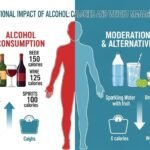
Understanding what is in your glass is vital for moderation. The following table compares common pub orders based on average Alcohol by Volume (ABV), units, and caloric content.
Note: Calories in alcohol are ’empty calories’, meaning they provide no nutritional value.
| Drink Type | Standard Serving | Average ABV (%) | Approximate Units | Approx. Calories |
|---|---|---|---|---|
| Premium Lager | Pint (568ml) | 5.0% | 2.8 | 240 |
| Standard Ale | Pint (568ml) | 4.0% | 2.3 | 180 |
| Large Wine | Glass (250ml) | 13.0% | 3.3 | 228 |
| Gin & Tonic | Single (25ml + mixer) | 40.0% | 1.0 | 55 (with slime) |
| Cider | Pint (568ml) | 4.5% | 2.6 | 210 |
| Alcohol-Free Beer | Bottle (330ml) | 0.5% | <0.2 | 50-70 |
Awareness of these numbers helps you make informed decisions. For example, choosing a gin and slimline tonic over a large glass of wine saves you over 2 units and nearly 175 calories.
Frequently Asked Questions
Is it safe to have one drink every day?
While one drink a day may keep you under the weekly 14-unit limit, it is vital to have drink-free days. The British Heart Foundation suggests that spreading your intake over three days or more is better than bingeing, but having consecutive days off allows your liver to recover.
Does alcohol affect mental health?
Yes. Alcohol is a depressant. While it may provide a temporary feeling of relaxation, it alters the brain’s chemistry. Long-term use is linked to anxiety and depression. Resources from Mind highlight that cutting down can significantly improve mood and sleep patterns.
How can I stop peer pressure in a pub?
Be firm but friendly. You do not owe anyone an explanation for your health choices. However, if you feel pressured, having a ‘prop’ drink (like a soda water with lime) often stops people from offering you a fresh drink.
Are there long-term risks to ‘social drinking’?
Even social drinking carries risks if it consistently exceeds guidelines. Cancer Research UK states that alcohol causes 7 types of cancer, including breast and bowel cancer. The risk increases with the amount consumed.
The Bottom Line
Navigating pub culture while moderating your intake is entirely possible with the right mindset.
The UK’s social scene is evolving. It is becoming increasingly acceptable to prioritise your health over the temporary buzz of alcohol. By understanding units, opting out of rounds, and utilising the growing range of alcohol-free options, you can enjoy the camaraderie of the pub without the negative consequences.
Remember that small changes can yield significant health benefits. Healthline notes that reducing alcohol intake can improve sleep, weight management, and mental clarity.
If you find it difficult to cut down, or if alcohol is affecting your daily life, consider using tools from Alcohol Change UK or speaking to your GP for support. You can enjoy the pub on your own terms.