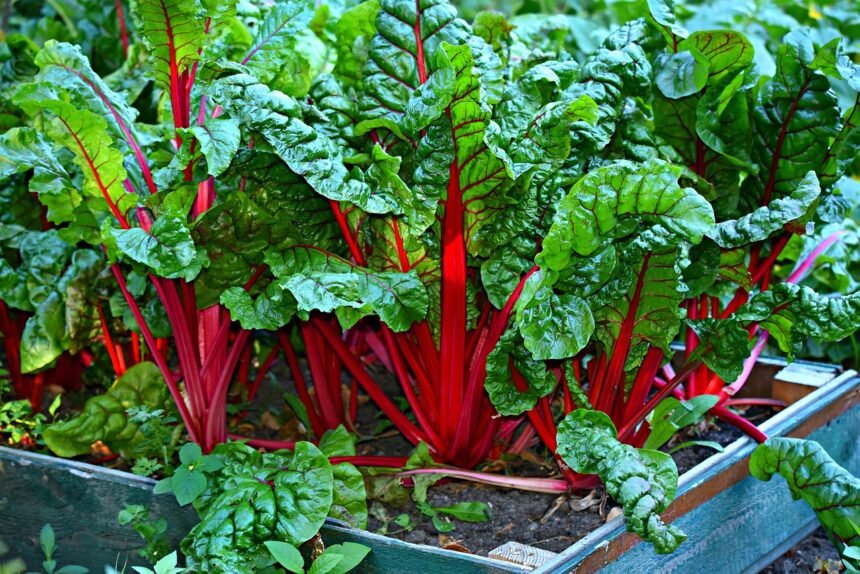
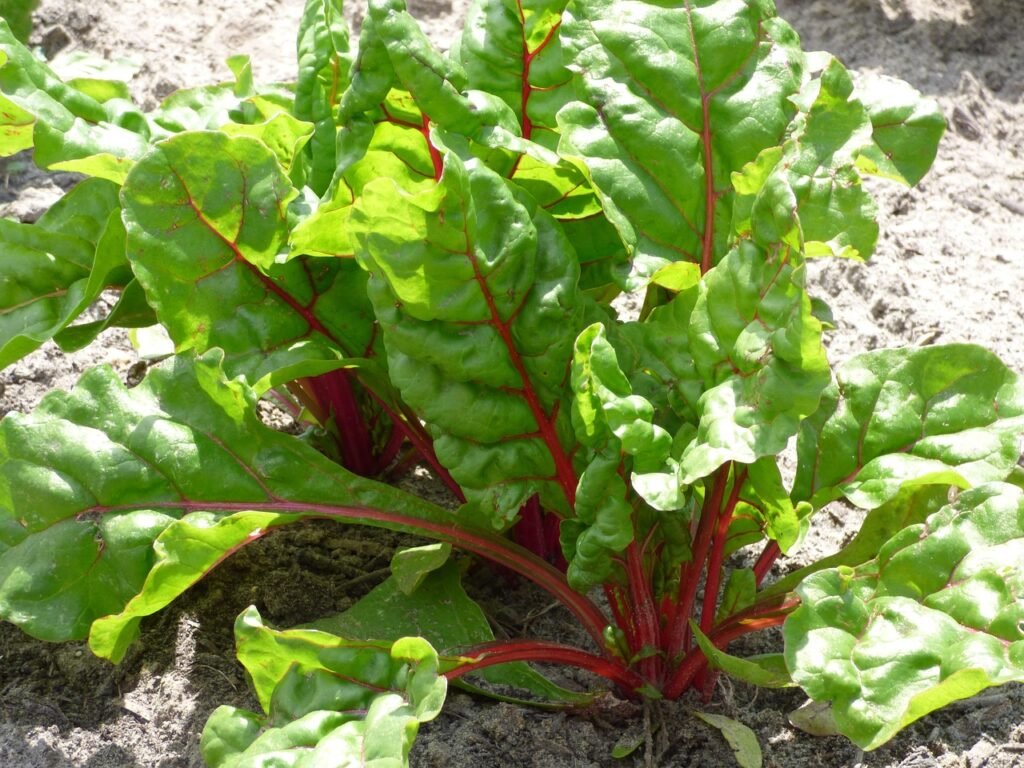
Swiss chard is a nutritional powerhouse known for its vibrant stems and dark leafy greens, packed with vitamins K, A, and C, as well as essential minerals like magnesium and iron. However, for individuals living with Chronic Kidney Disease (CKD), incorporating this vegetable into a daily meal plan requires careful consideration due to its high potassium and oxalate content. While it is not always strictly prohibited, understanding how to prepare Swiss chard safely and moderate portion sizes is critical to avoiding complications such as hyperkalemia. This article explores the nutritional profile of Swiss chard, its impact on renal health, and specific preparation methods—such as leaching—that can make it a safer option for those managing kidney function.
The Nutritional Profile of Swiss Chard
Swiss chard belongs to the chenopod family, which also includes beets and spinach. It is celebrated in the general wellness community for its ability to regulate blood sugar and provide antioxidants. However, when viewed through the lens of a renal diet, the mineral content becomes the primary focus. A single cup of cooked Swiss chard contains a significant amount of potassium—often exceeding 960 milligrams—which classifies it as a very high-potassium food. For context, foods with over 200 milligrams per serving are generally considered high potassium.
Despite the mineral load, Swiss chard offers beneficial nutrients that are sometimes lacking in restrictive diets. It is rich in antioxidants like beta-carotene and flavonoids, which help combat inflammation. For patients with early-stage CKD who do not yet require potassium restriction, Swiss chard can be a valuable addition. However, as kidney function declines, the kidneys lose the ability to filter excess minerals from the blood efficiently. You can learn more about general renal nutrition by visiting our guide on understanding chronic kidney disease to see where you fall on the spectrum of dietary needs.
The Potassium Concern in Renal Diets
Potassium is an essential mineral that helps maintain proper nerve and muscle function, including the heartbeat. In healthy individuals, the kidneys automatically filter excess potassium and excrete it through urine. However, in patients with CKD, this regulation mechanism is compromised. When potassium levels in the blood rise too high, a dangerous condition known as hyperkalemia can occur. Symptoms of hyperkalemia can range from nausea and weakness to life-threatening cardiac arrhythmias.
According to the National Kidney Foundation, managing potassium intake is often one of the most challenging aspects of a renal diet. Because Swiss chard is so dense in this mineral, eating it in its raw form or without proper portion control can cause a rapid spike in serum potassium levels. This is particularly true for patients on hemodialysis, who must be vigilant about their intake between treatments. Recognizing the signs of high potassium is vital; read more about hyperkalemia symptoms to stay informed.
Oxalates and Kidney Stones
Beyond potassium, Swiss chard is also high in oxalates. Oxalates are naturally occurring compounds found in many plants that can bind with calcium in the urine to form kidney stones, specifically calcium oxalate stones. For individuals with a history of nephrolithiasis (kidney stones), reducing high-oxalate foods is a standard preventative measure. The National Institute of Diabetes and Digestive and Kidney Diseases (NIDDK) suggests that pairing oxalate-rich foods with calcium-rich foods during a meal can help bind the oxalate in the gut before it reaches the kidneys, though reduction is often the safer strategy.
If you are prone to stones, you may need to strictly limit Swiss chard regardless of your potassium restrictions. It is important to consult with a healthcare provider to determine if a low-oxalate diet is necessary for your specific condition. You can find more details on stone prevention in our article on the kidney stone diet.
Swiss Chard Across CKD Stages
Stages 1 and 2
In the early stages of CKD (Stages 1 and 2), kidney function is generally sufficient to handle normal amounts of potassium, provided that lab results remain stable. At this stage, the anti-inflammatory benefits of Swiss chard may outweigh the risks. The focus here is often on managing comorbidities like hypertension and diabetes. The fiber content in chard can assist in blood sugar control, which is beneficial for preserving remaining kidney function. However, moderation is still key.
Stages 3, 4, and 5 (Non-Dialysis)
As the disease progresses to Stage 3 and beyond, dietary restrictions typically tighten. Many patients in these stages are advised to limit daily potassium intake to under 2,000 to 3,000 milligrams. Since one cup of Swiss chard can take up nearly half of a daily allowance, it is often placed on the “avoid” or “limit severely” list. Instead, patients might be directed toward low potassium vegetables like cabbage or cauliflower. Monitoring your blood work is essential here; understanding your specific levels can be easier with our guide on lab results explained.
End-Stage Renal Disease (ESRD) and Dialysis
Patients on dialysis have unique needs. While dialysis filters the blood, it is an intermittent process, meaning potassium builds up between sessions. Consequently, high-potassium foods like Swiss chard are risky. However, some dialysis patients may have more flexibility depending on their specific type of dialysis (peritoneal vs. hemodialysis) and their residual urine output. Always defer to your renal dietitian’s advice.
Preparation Techniques: The Leaching Method
If you love Swiss chard and want to include it in your diet despite restrictions, the preparation method makes a massive difference. Cooking techniques can significantly reduce potassium content. The most effective method is known as “leaching” or double-boiling.
According to research published in the Journal of Renal Nutrition, boiling leafy greens in large amounts of water can reduce potassium content by 30% to 50%. Here is the recommended process for making Swiss chard safer:
- Wash and Chop: Wash the chard thoroughly and chop the stems and leaves into small pieces. Smaller pieces create more surface area, allowing more potassium to escape.
- Soak (Optional but Recommended): Soak the chopped vegetable in warm water for at least two hours prior to cooking. Change the water halfway through.
- The Boil: Fill a pot with a large ratio of water to vegetables (ideally 5:1). Bring the water to a boil, add the chard, and boil for 10 minutes.
- Drain and Rinse: Drain the water (do not use it for soup or sauce, as it contains the leached minerals). Rinse the boiled chard under warm water.
- Final Cook: Sauté the boiled chard with garlic, olive oil, and herbs to add flavor back in.
While this process reduces nutrients, it allows you to enjoy the texture and variety of the vegetable with reduced risk. For more culinary tips, explore our section on kidney-friendly cooking methods.
Portion Control and Frequency
Even with leaching, Swiss chard should be consumed in small portions. A “renal serving” of high-potassium vegetables is typically half a cup. By sticking to a half-cup serving of leached chard, you might lower the potassium load to a manageable 200–300 mg range, though exact numbers vary. It is crucial to count this toward your daily total.
Using a kitchen scale is the most accurate way to ensure safety. Eye-balling portions of leafy greens can be deceptive because they shrink significantly when cooked. One cup of raw chard looks substantial but cooks down to a tiny amount, leading people to eat more than intended. To master portion sizes, review our tips on managing fluid and food intake.
Frequency is also important. If you choose to eat Swiss chard, avoid other high-potassium foods (like potatoes, avocados, or bananas) on the same day. This balancing act helps keep your overall daily intake within safe limits. The Centers for Disease Control and Prevention (CDC) emphasizes that tracking nutrient intake is a cornerstone of CKD management.
Substitutes and Alternatives
If the preparation for Swiss chard feels too laborious or the risk too high, there are excellent alternatives that provide similar textures with less potassium. Arugula, for example, is a peppery green that is significantly lower in potassium than chard or spinach. Cabbage and onions are also staples of the renal diet that can be sautéed to provide a savory side dish.
Kale is another popular green, but like chard, it is moderately high in potassium and should be treated with caution, though it is generally lower in oxalates than chard. For salads, iceberg or romaine lettuce are safer bases. You can find comprehensive lists of safe swaps in our article on CKD Stage 3 diet planning.
Ultimately, variety is healthy for the gut microbiome. Rotating greens ensures you aren’t accumulating too much of one specific mineral or anti-nutrient. The Academy of Nutrition and Dietetics suggests working with a specialized dietitian to create a rotation plan that works for your taste buds and your labs.
Medication Interactions and Potassium Binders
Some patients with advanced CKD are prescribed potassium binders. These medications work in the digestive tract to bind excess potassium and prevent it from entering the bloodstream. If you are taking a potassium binder, you may have slightly more freedom to enjoy foods like Swiss chard. However, this should never be assumed; it must be discussed with a nephrologist.
Conversely, certain blood pressure medications, such as ACE inhibitors or ARBs, can cause potassium retention. If you are on these drugs, adding Swiss chard to your diet could be doubly dangerous. The American Heart Association provides detailed information on how these heart medications interact with diet. Always align your diet with your current medication list. For more on how medications influence nutrition, see our post on phosphorus binders and other renal meds.
Reading Nutrition Labels
When buying frozen or canned Swiss chard, reading the nutrition label is imperative. Canned vegetables often contain added salt, which is detrimental to blood pressure control in CKD. Always look for “no salt added” versions and rinse canned vegetables thoroughly. Furthermore, checking the label for potassium content is becoming easier as the FDA now requires potassium to be listed on Nutrition Facts labels. Learning to decipher these labels is a skill that saves lives; start by reading our guide on the benefits of a renal dietitian who can teach you these skills.
Takeaway
Swiss chard is a nutrient-dense vegetable that poses specific challenges for individuals with Chronic Kidney Disease due to its high potassium and oxalate content. While it is not strictly impossible to eat, it requires significant modification—specifically leaching through boiling and strict portion control—to be consumed safely. For those in late-stage CKD or on dialysis, safer low-potassium alternatives like arugula or cabbage are often recommended. Always consult with your healthcare team before making significant changes to your vegetable intake, and monitor your lab results closely to ensure your potassium levels remain in a safe range.