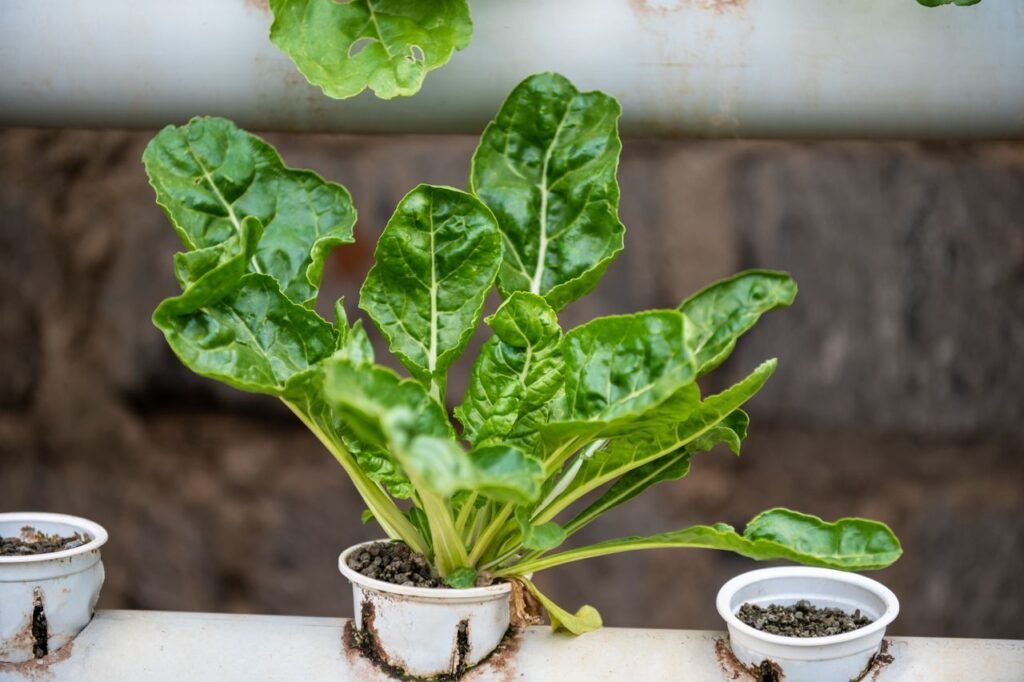
Swiss chard is a colorful leafy green known for its bright red, yellow, orange, and white stems. Beyond its attractive appearance, it is packed with vitamins, minerals, fiber, and powerful plant compounds called phytonutrients. One of the most important groups of phytonutrients in Swiss chard is betalains.
Betalains are natural pigments that give Swiss chard its rich color. These compounds are also studied for their antioxidant, anti-inflammatory, and cell-protective effects. Including Swiss chard in a balanced diet may support heart health, digestion, bone strength, and overall wellness. For more healthy eating topics, visit Food & Diet.
What Are Phytonutrients?
Phytonutrients are natural compounds found in plant foods. They help plants protect themselves from sunlight, pests, and environmental stress. When we eat plant-based foods, these compounds may also support human health.
Swiss chard contains many phytonutrients, including betalains, flavonoids, carotenoids, chlorophyll, and phenolic compounds. These nutrients work together with vitamins and minerals to protect cells from damage.
A scientific review on Swiss chard’s nutritional and bioactive compounds explains that this vegetable contains valuable nutrients and plant chemicals. This makes Swiss chard a smart choice for people who want to eat more natural, nutrient-rich foods.
What Are Betalains?
Betalains are water-soluble pigments found in plants such as beetroot, amaranth, cactus fruit, and Swiss chard. They are divided into two main types: betacyanins and betaxanthins.
Betacyanins give red and purple colors, while betaxanthins create yellow and orange shades. The colorful stems of Swiss chard are a clear sign that betalains are present.
Researchers are interested in betalains because they may help reduce oxidative stress and inflammation in the body. A review on the biological properties of betalains shows that these compounds may have useful health-supporting effects.
Main Nutrients in Swiss Chard
Swiss chard is low in calories but rich in essential nutrients. It contains vitamin K, vitamin A, vitamin C, magnesium, potassium, iron, and dietary fiber. These nutrients support many body functions, including immunity, bone health, nerve function, and digestion.
According to USDA FoodData Central, leafy greens like Swiss chard can be useful in a healthy diet because they offer many nutrients without adding many calories.
Swiss chard may be especially helpful for people who want to improve their vegetable intake. It can be added to soups, salads, omelets, curries, and stir-fries. For more wellness-focused nutrition ideas, explore Nutrition & Fitness.
Table: Key Phytonutrients in Swiss Chard
| Phytonutrient | Found In | Possible Health Support |
|---|---|---|
| Betalains | Red, yellow, and orange stems | Antioxidant and anti-inflammatory support |
| Flavonoids | Leaves and stems | Heart and cell protection |
| Carotenoids | Green leaves | Eye and immune health |
| Chlorophyll | Green leaves | General cellular support |
| Phenolic compounds | Leaves and stems | Protection from oxidative stress |
Antioxidant Benefits of Betalains
One of the most important medical properties of betalains is their antioxidant activity. Antioxidants help protect cells from damage caused by unstable molecules called free radicals. Too many free radicals can lead to oxidative stress.
Oxidative stress is linked with aging, inflammation, and several chronic health problems. Eating antioxidant-rich foods may help the body maintain better cellular balance.
The Harvard T.H. Chan School of Public Health explains that antioxidants are best consumed through whole foods rather than high-dose supplements. Swiss chard is a good example because it contains betalains along with vitamin C, fiber, and minerals.
Anti-Inflammatory Properties
Inflammation is a normal part of the immune response. However, long-term inflammation may affect the heart, joints, digestion, metabolism, and general health. Diet plays an important role in managing inflammatory balance.
Betalains may help reduce inflammation by supporting antioxidant defenses and influencing inflammatory pathways. A review on the therapeutic application of betalains discusses their possible role in reducing oxidative and inflammatory stress.
Swiss chard should not be treated as medicine, but it can be part of an anti-inflammatory diet. It works well with other healthy foods such as lentils, olive oil, garlic, turmeric, beans, and whole grains.
Swiss Chard and Heart Health
Swiss chard may support heart health in several ways. It contains potassium and magnesium, two minerals involved in healthy blood pressure and muscle function. It also provides fiber, which supports cholesterol balance and digestion.
The betalains and other antioxidants in Swiss chard may help protect blood vessels from oxidative stress. This can be useful for people who want to maintain cardiovascular wellness through diet.
People interested in metabolic health can also read Is Your Blood Sugar Spiking? Simple Habits for Stable Glucose Levels. Swiss chard is naturally low in carbohydrates, making it easy to include in meals focused on stable energy.
Digestive Health Benefits
Swiss chard contains fiber, which supports healthy digestion and regular bowel movements. Fiber also helps feed beneficial gut bacteria. A healthy gut can improve nutrient absorption and overall wellness.
However, some people with sensitive digestion may need to eat Swiss chard in moderate portions. Cooking the leaves can make them easier to digest compared with eating them raw.
If vegetables often cause bloating or discomfort, this article on 6 Low-FODMAP Vegetables for Sensitive Digestion may help. Everyone’s digestive system is different, so it is best to introduce high-fiber foods slowly.
Bone Health and Vitamin K
Swiss chard is especially rich in vitamin K. This vitamin plays an important role in blood clotting and bone metabolism. It helps activate proteins that support calcium use in the bones.
A balanced intake of vitamin K may help maintain bone strength over time. Swiss chard, kale, spinach, broccoli, and green beans are all good sources of this nutrient.
For more information, read Green Beans for Bone Health: The Essential Role of Vitamin K. People taking blood-thinning medicines should speak with a doctor before suddenly increasing vitamin K-rich foods.
Possible Medical Properties of Betalains
Betalains in Swiss chard are studied for several possible medical properties. These effects are not the same as a medical cure, but they may support health when included in a balanced lifestyle.
Possible benefits include:
- Helping reduce oxidative stress
- Supporting inflammatory balance
- Protecting cells from free radical damage
- Supporting heart and blood vessel health
- Contributing to liver and metabolic wellness
- Supporting healthy aging through plant-based nutrition
These benefits are strongest when Swiss chard is eaten as part of a varied diet rich in vegetables, fruits, legumes, nuts, seeds, and whole grains.
How to Add Swiss Chard to Your Diet
Swiss chard is easy to cook and can be used in many dishes. The stems take longer to soften than the leaves, so cook the stems first and add the leaves later.
Healthy ways to eat Swiss chard include:
- Sautéing it with garlic and olive oil
- Adding it to lentil soup or vegetable stew
- Mixing it into omelets or scrambled eggs
- Using young leaves in salads
- Adding chopped chard to rice, pasta, or grain bowls
- Cooking it with beans and spices
For budget-friendly meal ideas, you may also like Budget Meal Prep: How to Eat Healthy Without Breaking the Bank.
Safety and Precautions
Swiss chard is healthy for most people, but some precautions are important. It is high in vitamin K, so people taking warfarin or similar blood thinners should keep their intake consistent.
Swiss chard also contains oxalates. People with a history of kidney stones may need to limit high-oxalate foods or speak with a healthcare provider. Cooking Swiss chard and drinking enough water may help reduce some concerns.
Like any food, Swiss chard works best as part of a balanced diet. It should not replace medical treatment, prescribed medicine, or professional health advice.
Final Thoughts
Swiss chard is a powerful leafy green with impressive nutrition. Its colorful stems contain betalains, which are plant pigments studied for antioxidant and anti-inflammatory properties. Along with betalains, Swiss chard provides vitamin K, vitamin C, magnesium, potassium, fiber, and other beneficial phytonutrients.
Eating Swiss chard regularly may support heart health, digestion, bones, cellular protection, and overall wellness. It is affordable, easy to cook, and suitable for many healthy meals.
The best way to enjoy its benefits is simple: include Swiss chard in a varied diet with other colorful vegetables and whole foods. It is not a cure, but it is a valuable food for long-term health.