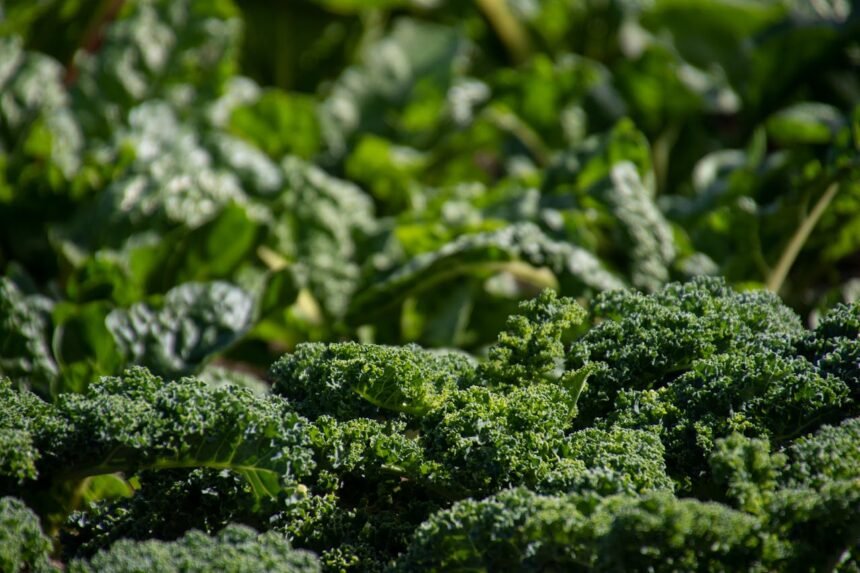
Kale has earned a reputation as a nutritional powerhouse, often labeled a “superfood” due to its high concentration of vitamins A, K, and C, as well as antioxidants and fiber. However, for a small percentage of the population, consuming this leafy green can lead to adverse reactions ranging from mild discomfort to severe allergic responses.
While true kale allergies are relatively rare compared to common allergens like peanuts or shellfish, they are a genuine concern for those affected. More commonly, individuals may experience food intolerance or digestive distress related to the high fiber and complex sugar content found in cruciferous vegetables.
Understanding the distinction between an immune-system-mediated allergy and a digestive intolerance is crucial for managing symptoms effectively. This comprehensive guide explores the symptoms, biological causes, diagnostic methods, and safe, nutrient-dense alternatives for those who must eliminate kale from their diets. If you suspect you have an issue with this vegetable, understanding the nuances of understanding food sensitivities is the first step toward reclaiming your digestive health.
What Is a Kale Allergy?
A kale allergy occurs when your immune system mistakenly identifies specific proteins within the plant as harmful pathogens. In response, the body releases antibodies (specifically Immunoglobulin E, or IgE) and chemicals like histamine to fight off the “invader.” This reaction can happen within minutes or up to a few hours after consumption.
Kale belongs to the Brassica oleracea species, which also includes broccoli, cauliflower, cabbage, and Brussels sprouts. Consequently, individuals allergic to kale may also experience cross-reactivity with these other cruciferous vegetable benefits and risks. The primary allergens in kale are often Lipid Transfer Proteins (LTPs), which are resistant to digestion and heat, meaning even cooked kale can trigger reactions in sensitive individuals.
Kale Allergy vs. Intolerance
It is vital to distinguish between an allergy and an intolerance. An allergy involves the immune system and can be life-threatening. An intolerance, however, usually occurs in the digestive tract. It happens when the body lacks the enzymes needed to break down food or reacts to compounds like raffinose—a complex sugar found in kale that causes bloating and gas. According to the Mayo Clinic on Food Intolerance, while intolerances can be uncomfortable, they are not life-threatening.
Symptoms of Kale Allergy
Symptoms can vary significantly from person to person. They usually manifest in the skin, the digestive system, or the respiratory tract.
1. Oral Allergy Syndrome (OAS)
One of the most common manifestations is Oral Allergy Syndrome (OAS), also known as Pollen-Food Allergy Syndrome. This occurs because the proteins in kale mimic the proteins found in certain pollens, such as mugwort pollen. Symptoms include:
- Itching or tingling in the mouth, tongue, or lips.
- Mild swelling of the lips or throat.
- A scratchy throat immediately after eating raw kale.
For more specific details on how pollen relates to food triggers, the American Academy of Allergy, Asthma & Immunology (AAAAI) provides extensive resources on OAS.
2. Skin Reactions
Histamine release can lead to dermatological issues. You might notice redness, hives (urticaria), or eczema flare-ups shortly after consumption. Contact dermatitis—itching or rash upon touching the leaves—is also possible, though less common.
3. Digestive Distress
While often associated with intolerance, gastrointestinal symptoms can also signal an allergy. These may include:
- Nausea and vomiting.
- Stomach cramping.
- Diarrhea.
If these symptoms are accompanied by hives or swelling, it is more likely an allergy than a simple intolerance. For those struggling with chronic stomach issues, reading about gut health and bloating can help differentiate between fiber overload and an allergic response.
4. Severe Reactions (Anaphylaxis)
Although extremely rare for kale, anaphylaxis is a medical emergency. Symptoms include constriction of the airways, a rapid drop in blood pressure, dizziness, and loss of consciousness. Recognizing the signs is critical; our guide on identifying anaphylaxis outlines what to look for in emergency situations.
Causes and Risk Factors
The Mugwort-Kale Connection
Cross-reactivity is a major cause of kale allergies. If you are allergic to mugwort pollen (a common weed), you are at a higher risk of reacting to kale, broccoli, and cabbage. This is due to the structural similarity in their proteins. Data from NCBI research on Mugwort-Mustard triggers suggests that a significant portion of patients with mugwort pollinosis may develop hypersensitivity to Brassica vegetables.
Goitrogens and Thyroid Health
While not an allergy, some people avoid kale due to goitrogens—compounds that can interfere with thyroid function by blocking iodine uptake. For individuals with hypothyroidism, consuming raw kale in massive quantities could theoretically exacerbate the condition. However, cooking kale neutralizes most of these compounds. The National Institute of Diabetes and Digestive and Kidney Diseases (NIDDK) notes that for most people, moderate consumption is safe, but those on medication should consult their doctor. Learn more about dietary adjustments in our article on hypothyroidism diet tips.
Histamine Intolerance
Kale is generally considered low in histamine, but leftovers can accumulate histamine over time. Individuals with Histamine Intolerance (HIT) might react to older cooked kale. Symptoms of HIT often mimic allergies, including headaches and flushing.
Diagnosing a Kale Allergy
Self-diagnosis can be dangerous. If you suspect an allergy, consult an allergist. Common diagnostic tools include:
- Skin Prick Test: A tiny amount of kale extract is pricked into the skin. If a wheal (raised bump) appears, it indicates an IgE-mediated allergy.
- Specific IgE Blood Test: This measures the amount of antibodies in your blood fighting specific kale proteins. You can read more about these procedures at MedlinePlus: Allergy Blood Testing.
- Oral Food Challenge: Done under strict medical supervision, you consume small amounts of kale to observe reactions.
- Elimination Diet: This involves removing kale and related vegetables for a period, then reintroducing them. Our low FODMAP diet explained post offers a similar framework for identifying triggers through elimination.
Treatment and Management
The primary treatment for a confirmed kale allergy is strict avoidance. Because kale is trendy, it frequently appears in smoothies, salads, chips, and even pasta sauces. Always read labels carefully.
Medical Interventions
For mild reactions (like itching), over-the-counter antihistamines usually suffice. For severe allergies, carrying an epinephrine auto-injector (EpiPen) is mandatory. The CDC Food Allergies Overview emphasizes the importance of having an emergency plan in place.
Cooking Methods
For those with Oral Allergy Syndrome, cooking kale (boiling, steaming, or sautéing) can often denature the heat-labile proteins, making the vegetable safe to eat. However, this does not apply to Lipid Transfer Proteins (LTP) allergies, which are heat-stable. Read more about how preparation changes food chemistry in our article on cooking methods and nutrient retention.
Best Alternatives to Kale
If you must eliminate kale, you don’t have to sacrifice nutrition. Many leafy greens offer similar, if not better, vitamin profiles.
1. Spinach
Spinach is milder in flavor and packed with iron and folate. However, it is high in oxalates, which can be an issue for those prone to kidney stones. For a direct comparison, see our breakdown of spinach vs. kale.
2. Swiss Chard
Swiss Chard belongs to the beet family (Chenopodioideae), making it an excellent alternative for those allergic to the Brassica family. It is rich in magnesium and Vitamin K. According to the USDA FoodData Central, Swiss chard provides an impressive nutrient profile that rivals kale without the same allergic risks.
3. Collard Greens
While related to kale, some people with mild sensitivities tolerate cooked collard greens better. They are exceptionally high in calcium. Always introduce related vegetables cautiously if you have a confirmed Brassica allergy.
4. Arugula (Rocket)
Arugula offers a peppery bite similar to kale but often sits lighter on the digestive system. It contains glucosinolates, which have protective properties. Check out our list of Vitamin K rich foods to see how arugula stacks up.
5. Bok Choy
A staple in Asian cuisine, Bok Choy provides the crunch of kale stems with a much higher water content, making it hydrating and easier to digest. It is also rich in Vitamin A and C.
When to See a Doctor
You should seek medical advice if:
- You experience swelling of the lips, tongue, or throat.
- You have difficulty breathing or wheezing after eating.
- You have consistent digestive pain that interferes with daily life.
- You suspect a cross-reaction with other pollens or latex.
According to the American College of Allergy, Asthma & Immunology, seeing a board-certified allergist is the only way to confirm a food allergy and receive a prescription for epinephrine if needed. Don’t rely on home testing kits alone; for guidance, read when to consult an allergist.
The Bottom Line
While kale is celebrated for its health benefits, it is not indispensable. A kale allergy, though rare, requires careful management and avoidance. Often, symptoms attributed to allergy are actually signs of intolerance or Oral Allergy Syndrome, both of which are manageable with dietary adjustments and cooking techniques.
By swapping kale for alternatives like Swiss chard, spinach, or arugula, you can maintain a nutrient-dense diet without compromising your well-being. Always listen to your body—no food is “healthy” if it makes you sick. For a broader approach to managing dietary restrictions, explore our resources on holistic allergy management.
Disclaimer: This article is for informational purposes only and does not constitute medical advice. Always consult with a healthcare professional regarding food allergies.
For further reading on global food safety standards and allergy protocols, visit the World Health Organization (WHO) Food Safety Fact Sheet or the UK Food Standards Agency.