Imagine you accidentally cut your finger while chopping vegetables. Almost immediately, the area turns red, swells up, feels hot, and starts to throb. This is acute inflammation. It is your body’s emergency response team rushing to the scene to fight bacteria and repair tissue. It is healthy, necessary, and temporary.
Now, imagine that same “emergency response” happening inside your body—in your arteries, your joints, and your gut—but it never stops. The fire alarm is ringing, but there is no fire to put out. So, the immune system gets confused and starts attacking healthy tissue.
This is chronic inflammation.
Often called the “Silent Killer,” chronic inflammation is the root cause of 7 of the top 10 leading causes of death, including heart disease, Type 2 diabetes, Alzheimer’s, and cancer. It is also the primary driver behind daily miseries like arthritis, constant fatigue, stubborn weight gain, and brain fog.
The good news? You have the power to turn off the alarm. The most potent drug to fight inflammation isn’t found in a pharmacy; it’s found in the produce aisle.
This guide will walk you through the anti-inflammatory diet, revealing the foods that fuel the fire, the foods that extinguish it, and how to build a lifestyle that keeps you pain-free.
The Science: How Food Turns On (or Off) the Fire
To understand the diet, you have to understand the mechanism.
When you eat, your body breaks food down into information.
- Pro-Inflammatory Foods stimulate the production of “Cytokines”—messenger proteins that tell the immune system to attack.
- Anti-Inflammatory Foods inhibit these cytokines and reduce oxidative stress (damage to cells caused by free radicals).
For the average person eating a modern Western diet, the balance is broken. We are consuming massive amounts of Omega-6 fatty acids (pro-inflammatory) and very few Omega-3 fatty acids (anti-inflammatory). This creates a body that is constantly on high alert.
By shifting this ratio, you can lower your C-Reactive Protein (CRP) levels—the medical marker for inflammation—often within just a few weeks.
The “Fire Starters”: 3 Foods to Eliminate Immediately
You cannot heal inflammation if you keep feeding it. Before you buy any superfoods, you must remove the biggest offenders.
1. Refined Carbohydrates & Added Sugar
When you eat white bread, pastries, or drink soda, your blood sugar spikes rapidly. Your body releases insulin to manage the sugar. High insulin levels are a direct trigger for inflammation.
- The Swap: Replace white flour with complex carbs like quinoa, oats, or sweet potatoes, which release energy slowly.
2. Industrial Seed Oils (The Omega-6 Trap)
Soybean oil, corn oil, cottonseed oil, and sunflower oil are everywhere—in salad dressings, mayonnaise, and almost all processed snacks. These oils are chemically extracted and highly unstable. They are incredibly high in Omega-6s. While we need some Omega-6s, we are currently eating about 20 times more than we should.
- The Swap: Cook with heat-stable fats like avocado oil, coconut oil, ghee, or butter. Use extra virgin olive oil for cold dressings.
3. Processed Meats
Bacon, sausages, hot dogs, and deli meats are often cured with nitrates and are high in saturated fats that can disrupt the gut barrier. When the gut barrier is compromised (“Leaky Gut”), toxins escape into the bloodstream, causing systemic inflammation.
- The Swap: Choose fresh, unprocessed meats like roasted chicken breast, grass-fed beef, or fresh turkey.
The “Fire Extinguishers”: Top 5 Anti-Inflammatory Powerhouses
Now that you’ve stopped fueling the fire, it’s time to call in the cleanup crew.
1. Fatty Fish (The Omega-3 Kings)
Salmon, mackerel, sardines, anchovies, and herring are the best sources of EPA and DHA. These specific Omega-3 fatty acids are converted by the body into compounds called resolvins—which literally “resolve” inflammation.
- Dosage: Aim for 3 servings a week. If you hate fish, a high-quality Fish Oil supplement is non-negotiable.
2. Turmeric (The Golden Spice)
Turmeric contains a compound called Curcumin. Studies have shown that Curcumin matches the effectiveness of some anti-inflammatory drugs (like ibuprofen) for treating rheumatoid arthritis, without the stomach-damaging side effects.
- Important Tip: Curcumin is poorly absorbed on its own. You must eat it with Black Pepper (which contains Piperine) to boost absorption by 2,000%.
3. Berries (The Antioxidant Army)
Strawberries, blueberries, raspberries, and blackberries get their deep colors from Anthocyanins. These are powerful antioxidants that trap free radicals before they can damage your cells.
- Science Check: One study found that overweight adults who ate strawberries daily saw a significant drop in inflammatory markers associated with heart disease.
4. Leafy Greens & Cruciferous Veggies
Spinach, kale, and collard greens are high in Vitamin E, which protects the body from cytokines. Meanwhile, broccoli and cauliflower contain Sulforaphane, which blocks enzymes that cause joint destruction.
5. Extra Virgin Olive Oil (Liquid Gold)
Olive oil is the cornerstone of the Mediterranean Diet. It contains Oleocanthal, an antioxidant that has a similar effect on the body as anti-inflammatory drugs like NSAIDs. It literally lowers pain pathways.
The Ultimate “Swap This for That” Table
Making these changes doesn’t mean your food has to be boring. Use this cheat sheet to make effortless upgrades to your pantry.
| The “Fire Starter” (Avoid) | The “Fire Extinguisher” (Choose) | Why Make the Swap? |
| Vegetable / Canola Oil | Avocado Oil | Avocado oil is heat-stable and low in inflammatory Omega-6s. |
| Margarine | Grass-Fed Butter or Ghee | Margarine is often highly processed; grass-fed butter contains butyrate (good for gut health). |
| White Potato Chips | Roasted Chickpeas or Nuts | Removes the refined carbs and bad oils; adds fiber and protein. |
| Grain-Fed Beef | Grass-Fed Beef | Grass-fed cows have a significantly better Omega-3 to Omega-6 ratio. |
| Iceberg Lettuce | Spinach or Arugula | Darker leaves contain significantly more vitamins and antioxidants. |
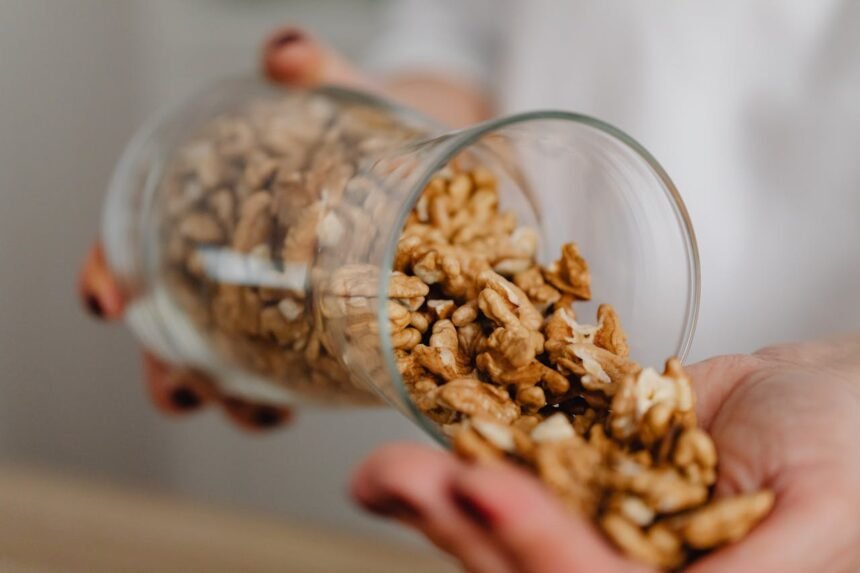
| Croutons | Walnuts or Pumpkin Seeds | Adds crunch without the refined flour; walnuts are high in Omega-3s. |
| Soda | Sparkling Water with Lime | Eliminates the massive sugar spike that triggers inflammation. |
A Sample Day of Anti-Inflammatory Eating
Does this diet taste like cardboard? Absolutely not. Here is what a delicious, pain-fighting day looks like.
Breakfast: “Golden” Oatmeal
- Rolled oats cooked with water or almond milk.
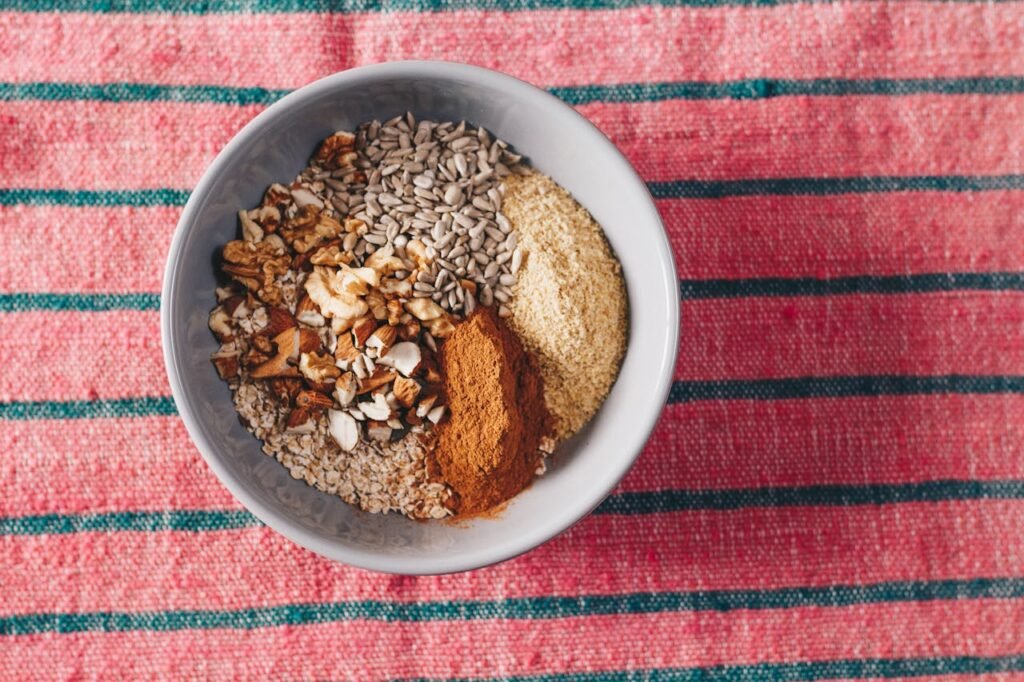
- Stir in: 1 tsp turmeric, pinch of black pepper, cinnamon.
- Top with: Walnuts and fresh blueberries.
Lunch: The “Big Salad”
- Base of spinach and arugula.
- Protein: 1 can of wild-caught sardines or grilled chicken.
- Fats: 1/2 avocado and a dressing made of Extra Virgin Olive Oil and Apple Cider Vinegar.
- Crunch: Sunflower seeds.
Snack:
- A green tea (rich in EGCG) and an apple.
Dinner: Sheet Pan Salmon
- Wild-caught salmon filet seasoned with lemon and dill.
- Roasted broccoli and sweet potato cubes tossed in avocado oil.
Lifestyle Factors: It’s Not Just About Food
While diet is 80% of the battle, you cannot out-eat a stressful lifestyle. Stress triggers the release of Cortisol. While cortisol actually reduces inflammation in short bursts, chronic stress leads to “Cortisol Resistance,” where your body stops listening to the signal, and inflammation runs wild.
To truly heal, combine the diet with:
- Sleep: Aim for 7–8 hours. Sleep is when your brain “cleans” itself of inflammatory toxins.
- Movement: Sedentary behavior promotes inflammation. A simple 30-minute walk daily is enough to get lymphatic fluid moving.
Conclusion
Chronic inflammation is a warning light on your body’s dashboard. You can choose to ignore it—masking the pain with pills and caffeine—or you can pop the hood and fix the engine.
The Anti-Inflammatory Diet is not a temporary “detox.” It is a return to the way humans were designed to eat. By prioritizing whole, unprocessed foods and healthy fats, you aren’t just reducing joint pain or losing weight; you are protecting your long-term future against disease.
Your Next Step: Go to your kitchen. Find one bottle of vegetable/canola/soybean oil and throw it in the trash. Replace it with Olive Oil or Avocado Oil. That one simple switch is your first victory in the fight against inflammation.