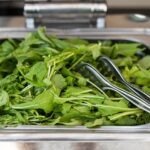
Mustard greens (Brassica juncea) are often the unsung heroes of the vegetable patch. Offering a distinct, peppery flavour that ranges from mildly spicy to intensely pungent, these leafy greens are a nutritional powerhouse.
For home gardeners, growing mustard greens is an incredibly rewarding endeavour. They are fast-growing, relatively low-maintenance, and thrive in the cool, damp climate often found in the UK. Whether you enjoy them raw in salads to add a zesty kick or wilted into stir-fries, having a fresh supply just outside your back door is a culinary game-changer.
Beyond their culinary versatility, mustard greens are packed with vitamins A, C, and K, as well as essential antioxidants. Cultivating them at home ensures you harvest them at their peak nutritional density.
This article explains everything you need to know about planting, caring for, and harvesting mustard greens, ensuring a bountiful crop for your table.
Overview: The nutritional and botanical profile
Before digging into the soil, it is helpful to understand exactly what you are growing. Mustard greens belong to the Brassica genus, making them cousins to broccoli, cauliflower, kale, and cabbage. However, unlike some of their slow-growing relatives, mustard greens are prized for their speed and efficiency.
From a health perspective, these greens are rich in glucosinolates, sulfur-containing compounds that have been studied for their potential anti-inflammatory and cancer-fighting properties.
Research highlights that cruciferous vegetables are essential for a balanced diet. Just one cup of raw mustard greens provides significant amounts of Vitamin K, which is vital for bone health and blood clotting.
Choosing your variety
One of the joys of growing mustard greens is the sheer diversity of varieties available. They come in various textures, colours, and heat levels. Selecting the right variety depends on your palate and your garden’s aesthetic.
Here are some popular cultivars to consider:
| Variety | Appearance | Flavour Profile | Best Use |
|---|---|---|---|
| Green Wave | Frilly, bright green leaves | Spicy and hot | Cooked dishes, soups |
| Red Giant | Large, purple-tinted leaves | Sharp, mustardy kick | Stir-fries, ornamental use |
| Mizuna | Serrated, feathery leaves | Mild and subtle | Raw in salads |
| Southern Giant Curled | heavily crumpled edges | Robust and pungent | Braising, pickling |
It is often recommended to plant a mix of varieties to enjoy a range of textures and flavours throughout the season.
Ideal growing conditions
To ensure success when growing mustard greens, you must mimic their preferred natural environment. These plants are cool-season crops, meaning they perform best in spring and autumn. The intense heat of high summer can cause them to ‘bolt’ (go to seed prematurely), which turns the leaves bitter.
Soil requirements
Mustard greens are not overly fussy, but they do prefer well-draining, loamy soil rich in organic matter. A soil pH between 6.0 and 7.5 is ideal. Before planting, it is beneficial to amend your soil with well-rotted compost or manure.
Healthy soil structure allows for proper root development and moisture retention without becoming waterlogged. You can learn more about managing soil health to ensure your garden foundation is solid.
Sunlight and temperature
While they tolerate partial shade—which is actually beneficial if you are growing them as the weather warms up—mustard greens generally prefer full sun (at least 6 hours a day).
In the UK, early spring and late summer are the sweet spots for sowing. They germinate quickly in soil temperatures as low as 4°C (40°F), though they prefer a range between 10°C and 24°C (50–75°F).
Step-by-step planting guide
Once you have selected your location and prepared the soil, planting is a straightforward process. You can start seeds indoors, but because they grow so rapidly, direct sowing into the garden bed is usually the most efficient method.
1. Sowing the seeds
Sow seeds approximately 1 cm (½ inch) deep. If you are planting in rows, space the rows about 30 to 45 cm (12–18 inches) apart. Scattering seeds broadcast-style (scattering them loosely over a patch of soil) also works well for growing baby greens.
2. Thinning the seedlings
This is a crucial step often overlooked by beginners. Once seedlings have developed their first set of true leaves (usually when they are 5–7 cm tall), you must thin them out.
- For baby greens: Thin to 10 cm (4 inches) apart.
- For full-sized plants: Thin to 30 cm (12 inches) apart.
Do not discard the thinnings; these are essentially microgreens and are delicious added to a lunchtime salad.
3. Watering and mulching
Mustard greens need consistent moisture to grow tender leaves. If the soil dries out, the plant becomes stressed, the growth stunts, and the flavour becomes unpleasantly strong. Aim to keep the soil consistently moist but not sodden.
Applying a layer of organic mulch, such as straw or shredded leaves, helps retain soil moisture and suppresses weeds. According to the Royal Horticultural Society, consistent watering is key to preventing bolting.

Care and management
Fertilising
If you amended your soil with compost before planting, your mustard greens may not need heavy feeding. However, they are heavy nitrogen feeders because they produce so much leafy growth.
If the leaves look pale or growth slows, apply a balanced, water-soluble organic fertiliser. Avoid excessive nitrogen late in the season, as this can make the leaves susceptible to frost damage.
Pests and diseases
While mustard greens are robust, they are attractive to certain pests. The most common culprit is the flea beetle. These tiny, jumping black beetles chew small ‘shot holes’ in the leaves. While older plants can tolerate some damage, heavy infestations can kill seedlings.
Management:
- Floating row covers: The most effective prevention is to cover your crop with horticultural fleece immediately after planting.
- Companion planting: Planting strong-smelling herbs like mint or catnip nearby can confuse pests.
- Slugs and snails: In the damp UK climate, slugs are inevitable. Use organic slug pellets or beer traps to keep numbers down.
For detailed identification of brassica pests, resources like the University of Minnesota Extension offer excellent visual guides.
Clubroot is a soil-borne disease affecting brassicas, causing swollen, distorted roots. If your soil is infected with clubroot, you may need to improve drainage and raise the soil pH by adding lime, as the fungus thrives in acidic, damp conditions.
Harvesting your crop
One of the best aspects of growing mustard greens is the harvest flexibility. You can begin harvesting baby greens in as little as 20 to 30 days after sowing. Full-sized leaves take about 45 to 50 days.
The ‘Cut-and-Come-Again’ method
This is the most efficient way to harvest. Using clean scissors or a sharp knife, harvest the outer, larger leaves, leaving the inner, central growing point intact. The plant will continue to produce new leaves from the centre, providing a continuous harvest for several weeks.
Alternatively, you can cut the entire plant at the base if you want to clear the bed for a different crop.
It is best to harvest in the cool of the morning when the leaves are most crisp. If you harvest during the heat of the day, the leaves may wilt quickly.
Practical tips for success
- Succession planting: To ensure a constant supply, sow a small batch of seeds every two to three weeks. This prevents a glut where you have too much produce at once.
- Bolting management: If you see a flower stalk emerging from the centre of the plant, pinch it off immediately. Once the plant flowers, the leaf production stops, and the existing leaves become bitter.
- Container gardening: Mustard greens thrive in pots. A window box or a 10-litre pot is sufficient. Ensure the container has drainage holes and check water levels daily, as pots dry out faster than the ground.
- Frost tolerance: Mustard greens are hardy. A light frost can actually improve their flavour, converting starches into sugars and making the leaves sweeter. You can read more about frost-hardy vegetables at the Old Farmer’s Almanac.
Culinary uses and storage
Once harvested, mustard greens should be stored in the refrigerator. Wrap the unwashed leaves in a damp paper towel and place them in a perforated plastic bag. They will keep for about 3 to 5 days.
Cooking ideas:
- Sautéed: Heat olive oil, garlic, and red pepper flakes, then toss in the greens until wilted. The heat mellows the peppery bite.
- Soups: Add chopped greens to soups or stews in the last few minutes of cooking.
- Raw: Use baby greens to add texture and spice to a mesclun mix.
For more inspiration on the health benefits and uses of these greens, Healthline provides a comprehensive overview of their nutritional profile.
The bottom line
Growing mustard greens is an accessible, high-yield project for gardeners of all skill levels. These plants offer a rapid return on investment, providing nutrient-dense, flavourful leaves in a matter of weeks.
By choosing the right variety, maintaining consistent moisture, and managing pests like flea beetles, you can enjoy this versatile vegetable almost year-round. Whether you have a sprawling allotment or a few pots on a balcony, mustard greens are a worthy addition to your horticultural repertoire.
Start small with a packet of seeds this season, and you will likely find yourself making them a permanent fixture in your garden rotation. For further reading on specific varieties, the North Carolina State Extension offers detailed data sheets.
References and further reading
- RHS: Grow Your Own Mustard Greens
- Healthline: Mustard Greens: Nutrition, Benefits, and Uses
- Harvard T.H. Chan School of Public Health: The Nutrition Source – Vegetables
- Soil Association: Save Our Soil
- University of Minnesota Extension: Growing Mustard Greens
- The Old Farmer’s Almanac: Mustard Greens Planting Guide
- Garden Organic UK: Pest and Disease Control
- USDA FoodData Central: Mustard Greens, Raw
- Cornell University: Vegetable Growing Guides
- NC State Extension: Brassica juncea (Mustard Greens)