In the relentless hustle of modern life, “burnout” has become more than just a buzzword; for many, it is a daily reality. We often attribute fatigue and brain fog to a lack of sleep or caffeine, but the root cause frequently lies deep within our endocrine system. Specifically, the adrenal glands—two small, walnut-sized organs sitting atop your kidneys—bear the brunt of our chronic stress. While stress management techniques like meditation and exercise are vital, nutritional support is the unsung hero of resilience. Enter Vitamin B5, also known as pantothenic acid, a crucial nutrient often nicknamed the “anti-stress vitamin.”
Understanding pantothenic acid adrenal support is essential for anyone looking to optimize their energy levels, regulate their mood, and fortify their body against the physiological costs of stress. This article delves into the science of B5, its critical role in hormone production, and how you can harness it to keep your adrenals healthy.
The Adrenal Glands: The Body’s Shock Absorbers
To understand why B5 is so important, we must first appreciate the workload of the adrenal glands. These glands are responsible for producing several vital hormones, including adrenaline, aldosterone, and, most notably, cortisol.
Cortisol is often vilified as the “stress hormone,” but it is essential for life. It regulates blood pressure, metabolism, and the immune response. However, the modern world triggers the “fight or flight” response far more often than nature intended. When you are under constant stress—whether from a demanding job, financial worry, or intense physical training—your adrenals must work overtime to pump out cortisol.
According to the Endocrine Society, chronic overstimulation of the adrenal glands can lead to dysregulation in the Hypothalamic-Pituitary-Adrenal (HPA) axis. This is where nutrition becomes a limiting factor. The adrenals cannot manufacture these hormones out of thin air; they require specific raw materials. This is where pantothenic acid enters the picture.
What is Pantothenic Acid (Vitamin B5)?
Pantothenic acid is a water-soluble vitamin from the B-complex family. Its name is derived from the Greek word pantothen, meaning “from everywhere,” reflecting its ubiquitous presence in small amounts across nearly all plant and animal foods.
The Power of Coenzyme A
The primary biological function of Vitamin B5 is to serve as a precursor for the synthesis of Coenzyme A (CoA). CoA is a cofactor in over 70 enzymatic pathways, making it indispensable for life. It is vital for:
- Energy Production: Breaking down fats, carbohydrates, and proteins into usable energy (ATP).
- Fatty Acid Synthesis: Building essential fats and cholesterol.
- Neurotransmitter Synthesis: Helping create acetylcholine, which is vital for memory and muscle control.
However, regarding stress, CoA’s role in synthesizing cholesterol is paramount, as cholesterol is the precursor to all steroid hormones produced by the adrenal cortex.
The Mechanism: Pantothenic Acid Adrenal Support
The connection between pantothenic acid adrenal support and stress resilience is biochemical. The adrenal glands have one of the highest concentrations of pantothenic acid in the body, second only to the brain. This high concentration is not accidental; it is necessary.
1. Fueling Cortisol Production
When the brain signals stress, the adrenals need to convert cholesterol into pregnenolone, which is then converted into cortisol. This conversion process is heavily dependent on Coenzyme A (derived from B5). Without adequate B5, the adrenals cannot efficiently produce the cortisol required to manage the stress response.
2. Preventing the “Crash”
In a state of deficiency or suboptimal B5 levels, the adrenals may struggle to meet the demand for hormones. This can lead to what is colloquially termed “adrenal fatigue” (though medically referred to as HPA axis dysfunction). The result is a reduced ability to tolerate stress, leading to exhaustion, irritability, and a weakened immune system. By ensuring sufficient B5 intake, you provide the machinery required to sustain hormone output during high-pressure periods without depleting the body’s reserves.
3. Regulating Inflammation
Cortisol is the body’s natural anti-inflammatory. If B5 levels are low and cortisol production stutters, inflammation can go unchecked. This is why joint pain and allergies are sometimes associated with prolonged stress and nutritional depletion. B5 supports the modulation of this inflammatory response by ensuring cortisol levels remain balanced.

Signs You May Need More B5
While frank deficiency (known as burning feet syndrome) is rare in developed nations due to food fortification, suboptimal levels are common, especially among those with high-stress lifestyles, high alcohol consumption, or digestive issues.
Common indicators that your adrenals might be craving more B5 include:
- Chronic Fatigue: Waking up tired even after a full night’s sleep.
- Low Tolerance to Stress: Feeling overwhelmed by small tasks.
- Hypoglycemia: Irritability or shakiness when meals are delayed.
- Sleep Disturbances: Difficulty falling asleep or waking up at 3:00 AM.
- Digestive Issues: B5 is essential for maintaining the health of the digestive tract lining.
It is important to note that these symptoms can overlap with various medical conditions. As noted in a comprehensive fact sheet by the NIH, diagnosis should always be confirmed by a healthcare professional.
Top Dietary Sources of Vitamin B5
To naturally boost your pantothenic acid adrenal support, look to whole, unprocessed foods. Processing and canning can significantly reduce the B5 content in food.
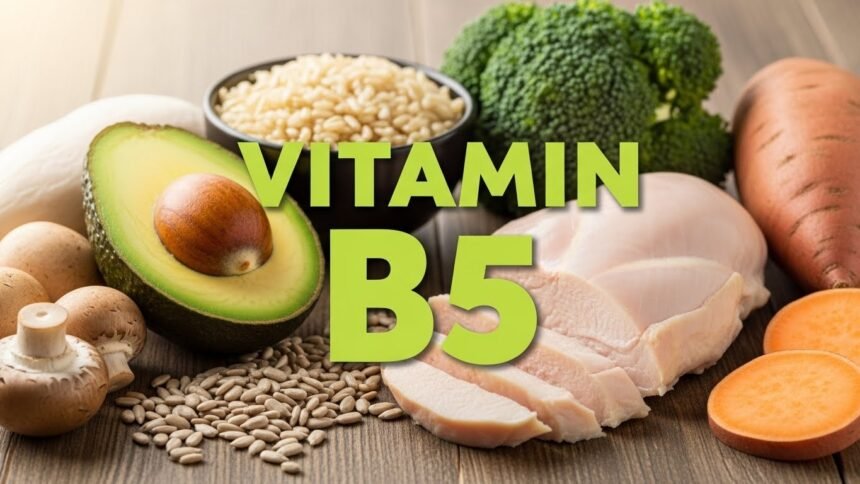
High-B5 Foods Include:
- Organ Meats: Liver and kidney are the most potent sources.
- Mushrooms: Shiitake and crimini mushrooms are excellent vegetarian options.
- Avocados: A nutrient-dense fruit providing healthy fats and B vitamins.
- Fish: Salmon and lobster.
- Poultry: Chicken and turkey.
- Whole Grains: Brown rice and oats (refining grains strips away the B5).
- Yogurt and Milk: Dairy products are readily absorbed sources.
Synergistic Nutrients: B5 Doesn’t Work Alone
While Vitamin B5 is the star of the show for adrenal health, it works best in concert with other nutrients. Taking B5 in isolation is often less effective than ensuring a broad spectrum of co-factors.
Vitamin C
The adrenal glands also store high concentrations of Vitamin C. It acts as an antioxidant, protecting the adrenal cortex from the oxidative stress generated during hormone production. B5 and Vitamin C are often referred to as the “dynamic duo” of adrenal support.
Magnesium
Magnesium is essential for the enzymatic reactions that convert B vitamins into their active forms. Stress depletes magnesium rapidly, creating a vicious cycle.
The B-Complex
B vitamins have a synergistic relationship. B6 (pyridoxine), B9 (folate), and B12 (cobalamin) support the nervous system and methylation pathways that run parallel to adrenal function.
Supplementation: Dosage and Considerations
For general health, the Recommended Dietary Allowance (RDA) for pantothenic acid is 5 mg per day for adults. However, therapeutic protocols for adrenal support often utilize higher dosages.
Many integrative health practitioners recommend dosages ranging from 100 mg to 500 mg per day during periods of acute stress. Because B5 is water-soluble, excess amounts are typically excreted in urine, making it generally safe with a low risk of toxicity. However, extremely high doses (above 10 grams) can cause digestive distress.
Always consult your doctor before starting high-dose supplementation, as individual needs vary. Scientific studies continue to explore the therapeutic ranges of vitamins for stress-related disorders, highlighting the importance of personalized medicine.
Conclusion: Building Resilience from the Inside Out
Stress is an unavoidable component of the human experience, but how our bodies handle that stress is largely within our control. By prioritizing pantothenic acid adrenal support, you are essentially providing your body with the fuel it needs to keep the engines running without burning out.
Vitamin B5 is more than just a metabolic cofactor; it is a foundational pillar of endocrine health. Whether through a diet rich in whole foods like avocados and salmon or through targeted supplementation during tough times, ensuring adequate pantothenic acid intake is a proactive step toward better energy, mood stability, and long-term health.
Don’t wait until you are running on empty. Evaluate your diet today, consider your stress load, and give your adrenals the support they deserve.