Aging is a privilege denied to many, yet it brings a unique set of physical and emotional challenges. As we age, maintaining mobility, balance, and mental clarity becomes paramount to preserving independence and quality of life. For many seniors, high-impact exercise or traditional floor-based workouts may no longer be feasible due to joint issues, limited range of motion, or balance concerns. Enter the transformative practice of Chair Yoga.
Far from being a “lesser” form of exercise, chair yoga is a powerful, accessible modality that adapts traditional yoga asanas (poses) to a seated position. It opens the door to wellness for individuals of all ability levels. In this comprehensive guide, we will explore the extensive chair yoga benefits for seniors, backing up claims with scientific insights and authoritative data.
Redefining Fitness: What is Chair Yoga?
Chair yoga is a gentle form of yoga that can be done while sitting on a chair or standing on the ground while using the chair for support. It derives from the Hatha yoga tradition but modifies the poses to ensure stability. This modification removes the complex transitions of getting up and down from the floor, which is often a barrier for older adults.
According to the National Center for Complementary and Integrative Health (NCCIH), yoga is one of the most popular complementary health approaches used by adults in the United States. Its adaptation into a seated format has democratized fitness for the aging population, proving that movement is truly ageless.
Physical Health Benefits
1. Enhanced Flexibility and Range of Motion
Stiffness is a common complaint among seniors, often resulting from conditions like osteoarthritis. Chair yoga gently stretches tight muscles and lubricates joints. Regular practice can significantly improve the range of motion in the neck, shoulders, and hips. The Arthritis Foundation notes that yoga can reduce joint pain, improve joint flexibility and function, and lower stress and tension to promote better sleep.
2. Improved Balance and Fall Prevention
Falls are a leading cause of injury among older adults. By strengthening the core and stabilizer muscles, chair yoga improves proprioception (the body’s ability to sense its location in space). Even when seated, engaging the abdominal muscles helps align the spine and improve posture.
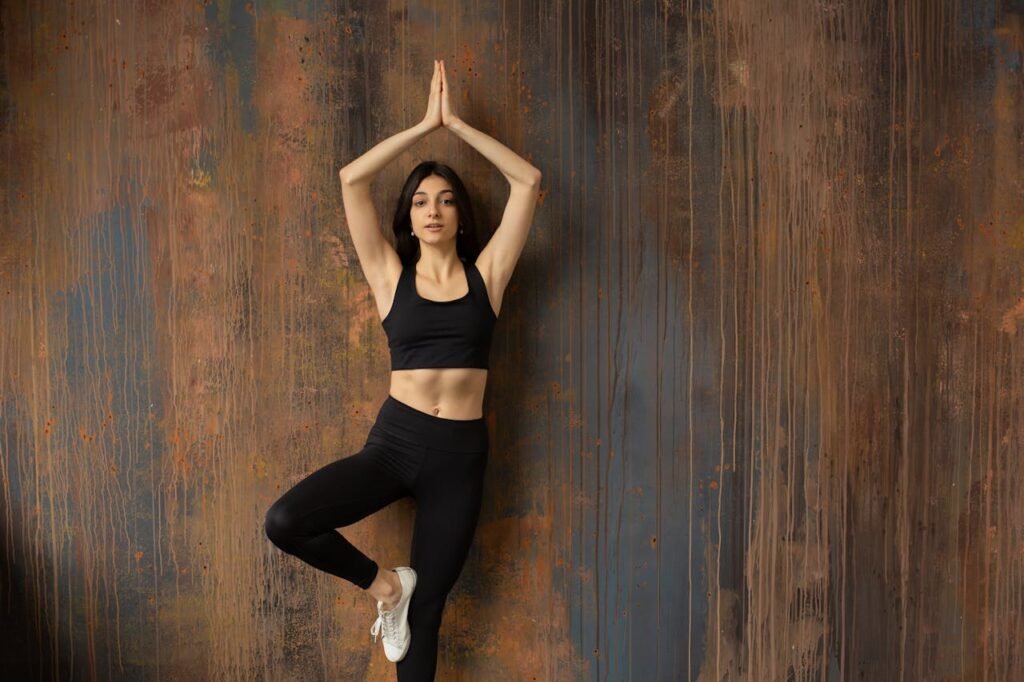
For standing poses where the chair is used as a prop (such as a modified Tree Pose), seniors can safely practice balancing without the fear of falling. The Centers for Disease Control and Prevention (CDC) emphasizes that balance exercises are a critical component of fall prevention strategies.
3. Increased Strength and Muscle Tone
Sarcopenia, the age-related loss of muscle mass, can lead to frailty. Chair yoga utilizes body weight and isometric resistance to build strength. Holding a pose, even while seated, engages muscles in the arms, legs, and back. This strength is vital for daily activities, such as standing up from a chair, carrying groceries, or walking up stairs.
4. Pain Management
Chronic pain affects a large demographic of the elderly population. Yoga teaches mindfulness and breathing techniques (Pranayama) that alter the brain’s perception of pain. Research highlighted by Johns Hopkins Medicine suggests that yoga can be effective in managing pain associated with arthritis, fibromyalgia, and lower back issues.
Mental and Emotional Well-being
1. Stress Reduction and Anxiety Control
Retirement, health changes, and the loss of loved ones can trigger anxiety in seniors. Chair yoga encourages a state of mindfulness. By focusing on the breath and the movement, the parasympathetic nervous system is activated, reducing cortisol levels. Mayo Clinic experts confirm that yoga is a proven stress-reducer that can enhance mood and overall sense of well-being.
2. Better Sleep Patterns
Insomnia and fragmented sleep are common in older age. The relaxation techniques mastered in chair yoga can establish a better bedtime routine. A study cited by the Sleep Foundation indicates that older adults who practice yoga report better sleep quality and shorter latency in falling asleep.
3. Social Interaction and Cognitive Function
Attending a group chair yoga class provides vital social interaction, combating the isolation that many seniors face. Furthermore, the coordination required to synchronize breath with movement stimulates the brain. Harvard Health Publishing reports that yoga may help improve cognitive functioning, including attention and processing speed.
Comparative Analysis: Sedentary vs. Active Aging
The following table illustrates the potential impact of incorporating chair yoga into a senior’s routine compared to a sedentary lifestyle.
| Health Metric | Sedentary Senior Lifestyle | Chair Yoga Practitioner |
|---|---|---|
| Fall Risk | High; muscle atrophy leads to instability. | Reduced; improved proprioception and core strength. |
| Joint Health | Progressive stiffness; reduced synovial fluid. | Improved mobility; gentle movement lubricates joints. |
| Respiratory Function | Shallow breathing; reduced lung capacity. | Enhanced; Pranayama increases oxygen intake. |
| Bone Density | Accelerated loss (Osteoporosis risk). | Maintenance; weight-bearing poses stimulate bone health. |
| Mental State | Higher risk of isolation and depression. | Improved mood via socialization and mindfulness. |
| Circulation | Poor; risk of edema and blood clots. | Better; movement aids venous return to the heart. |
Getting Started: A Safe Approach
While chair yoga benefits for seniors are vast, safety is the priority. Before starting any new exercise regimen, seniors should consult their physician, especially if they have a history of cardiovascular disease or recent surgery.
Essential Tips for Beginners:
- Choose the Right Chair: Use a sturdy chair without wheels or armrests. Ensure it is placed on a non-slip surface.
- Listen to Your Body: Yoga is not about forcing a pose. If it hurts, stop. The mantra is “no pain, no gain” does not apply here.
- Focus on Breath: Never hold your breath. Fluid breathing oxygenates the blood and keeps blood pressure stable.
Simple Poses to Try
- Seated Cat-Cow: Great for spinal flexibility. Place hands on knees. Inhale, arch the back and look up (Cow). Exhale, round the spine and tuck the chin (Cat).
- Seated Forward Bend: Lengthens the spine and relaxes the back. Inhale to sit tall, exhale to hinge at the hips, folding over the legs, letting the head hang heavy.
- Seated Twist: Aids digestion and spinal mobility. Sit sideways on the chair. Inhale to lengthen the spine, exhale to twist toward the back of the chair, holding the backrest for gentle leverage.
For a more detailed breakdown of exercises, Cleveland Clinic offers excellent resources on adapting movements for various physical limitations.
The Cardiovascular Connection
It is often a misconception that one must run on a treadmill to improve heart health. While chair yoga is low-impact, it still provides cardiovascular benefits. It lowers blood pressure and reduces the resting heart rate. The American Heart Association supports yoga as a beneficial activity for heart health, noting its ability to lower cholesterol and blood glucose levels.
Conclusion
Embracing aging doesn’t mean accepting a sedentary existence. The chair yoga benefits for seniors extend far beyond the physical realm, touching upon mental clarity, emotional stability, and social connection. It is a practice of self-care that honors the body’s current state while gently coaxing it toward better health.
Whether you are an older adult looking to regain mobility or a caregiver seeking activities for a loved one, chair yoga offers a safe, effective, and enjoyable pathway. Remember, the journey of a thousand miles begins with a single step—or in this case, a single breath, seated comfortably in a chair.
Ready to start your journey? Look for certified chair yoga classes at your local senior center, YMCA, or through reputable online platforms tailored for active aging.