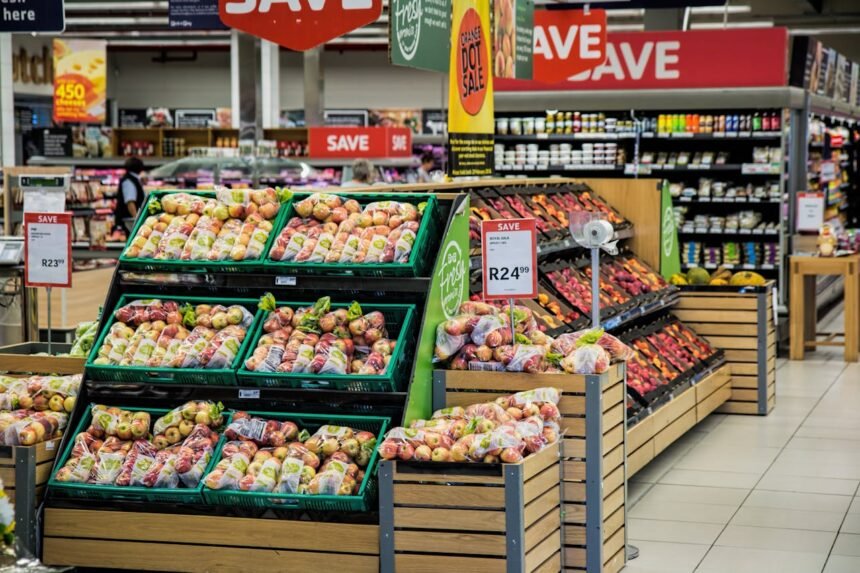
Walking down the aisles of a modern supermarket can feel less like a simple errand and more like navigating a minefield of marketing psychology. With thousands of products vying for your attention, bright packaging screams promises of “natural” ingredients, “low fat” benefits, and “multigrain” goodness. However, the front of the package is often a billboard for advertising, while the truth remains hidden in small print on the back.
To take control of your diet and long-term well-being, you must look past the hype. This article serves as your essential guide to healthier grocery choices, breaking down how to decipher nutrition labels, spot hidden ingredients, and make data-driven decisions for your shopping cart.
The Psychology of the Grocery Aisle
Before we dive into the data, it is crucial to understand that food packaging is designed to sell, not necessarily to inform. Manufacturers use “health halos”—terms that imply health benefits without strict regulatory definitions—to influence purchasing decisions.
According to the U.S. Food and Drug Administration (FDA), while strict laws govern the Nutrition Facts panel, front-of-package claims can sometimes be misleading if consumers do not verify them against the actual nutrient profile. For instance, a product labeled “low fat” may be laden with added sugars to compensate for lost flavor, making it nutritionally inferior to its full-fat counterpart.
Mastering the Nutrition Facts Panel
The Nutrition Facts panel is the only place on the package where the manufacturer is legally required to be transparent. However, knowing what to look for is half the battle.
1. The Serving Size Deception
The most critical line on the label is the very first one: Serving Size. All the nutritional data listed below it depends on this number. A common pitfall occurs when a consumer assumes a small package contains a single serving. A 20-ounce soda bottle, for example, may contain 2.5 servings. If you drink the whole bottle, you must multiply every number on the label by 2.5.
Recent updates to labeling laws have attempted to make serving sizes more realistic to what people actually consume, but vigilance is still required.
2. Calories and Energy Balance
While calories are not the only metric of health, they remain the baseline for energy management. Understanding your caloric needs is vital. However, the source of those calories matters just as much as the number. 100 calories of sugary soda affects your insulin response differently than 100 calories of almonds. The World Health Organization (WHO) emphasizes that energy intake should be in balance with energy expenditure to avoid unhealthy weight gain.
3. The Percent Daily Value (%DV)
The %DV tells you how much a nutrient in a serving of food contributes to a daily diet. Use the 5/20 rule as a quick reference:
- 5% DV or less is considered low (aim for this with sodium, saturated fat, and added sugars).
- 20% DV or more is considered high (aim for this with fiber, Vitamin D, calcium, and iron).
The Ingredient List: Where the Truth Lies
While the Nutrition Facts panel gives you the math, the ingredient list gives you the biology. Ingredients are listed in descending order by weight. This means the first three ingredients essentially determine the quality of the product.
The Sugar Shell Game
Sugar is a master of disguise. Manufacturers often split sugars into different types so that “sugar” does not appear as the first ingredient. By using dextrose, malt syrup, high fructose corn syrup, and cane juice crystals separately, they can list them lower down, even if the total sugar content rivals a candy bar.
Excessive sugar intake is directly linked to chronic inflammation and metabolic disease. Harvard Health Publishing notes that a high-sugar diet has major implications for heart health, distinct from obesity alone.
Additives and Preservatives
If you cannot pronounce an ingredient, or if it sounds like it belongs in a chemistry set, pause. While many preservatives are GRAS (Generally Recognized As Safe), some, like sodium nitrates in processed meats or artificial food dyes, have been subjects of health debates. Organizations like the Center for Science in the Public Interest (CSPI) maintain lists of additives that consumers may wish to avoid due to potential health risks.

Decoding Common Marketing Terms
To truly utilize this essential guide to healthier grocery choices, you must understand the legal definitions—and the lack thereof—behind common packaging buzzwords.
| Marketing Term | What You Think It Means | The Reality / Regulation |
|---|---|---|
| Multigrain | 100% Whole Wheat / Healthy | It simply means more than one type of grain was used. These grains could all be refined, stripped of fiber and nutrients. Look for “100% Whole Grain” instead. |
| Natural | No chemicals or processing | The FDA has no formal definition for “natural.” It can still contain high fructose corn syrup or be heavily processed. |
| Made with Real Fruit | Contains significant fruit | It may contain a tiny drop of fruit concentrate, with the bulk of the flavor coming from sugar and artificial flavoring. |
| Zero Trans Fat | No artery-clogging fats | Due to rounding rules, products with less than 0.5g per serving can claim zero. Check ingredients for “partially hydrogenated oils.” |
| Organic | Pesticide-free | It means grown without synthetic pesticides or GMOs, but natural pesticides may be used. It is strictly regulated by the USDA. |
Key Nutrients to Watch
Sodium: The Silent Elevators of Blood Pressure
Sodium is essential for life, but the modern diet provides it in dangerous excess. Processed foods and restaurant meals account for over 70% of the sodium consumed by Americans. The American Heart Association recommends no more than 2,300 mg a day, moving toward an ideal limit of 1,500 mg for most adults. When comparing labels, choose the option with the lowest sodium content, specifically looking for “Low Sodium” (140mg or less per serving).
Fats: Good vs. Bad
For years, fat was demonized. Now, we know that the type of fat matters.
- Avoid: Trans fats (partially hydrogenated oils) and limit Saturated fats (found in red meat and full-fat dairy). The Centers for Disease Control and Prevention (CDC) warns that high intake of saturated fats can raise cholesterol levels.
- Embrace: Monounsaturated and polyunsaturated fats found in nuts, seeds, avocados, and fish.
Dietary Fiber
Fiber is often the unsung hero of nutrition. It aids digestion, lowers cholesterol, and helps control blood sugar levels. According to the Mayo Clinic, women should aim for 21-25 grams and men for 30-38 grams daily. When reading labels on breads and cereals, look for at least 3 grams of fiber per serving.
Navigating Special Dietary Labels
Gluten-Free
“Gluten-free” does not automatically mean healthy. Gluten-free junk food is still junk food. Often, manufacturers replace gluten with refined starches like tapioca or potato starch, which can spike blood sugar faster than wheat. Unless you have Celiac disease or gluten sensitivity, a gluten-free label is not a primary indicator of nutritional quality.
Non-GMO
This label indicates the food was produced without genetic engineering. While important for environmental and ethical considerations for many, the National Institutes of Health (NIH) suggests that from a strict nutrient composition standpoint, Non-GMO foods are not inherently superior to their conventional counterparts. Buy them if they align with your values, but check the sugar and fat content regardless.
Practical Steps for Your Next Shopping Trip
Knowledge is only potential power; execution is key. Here is a strategy for your next grocery run:
- Shop the Perimeter: Fresh produce, meats, and dairy are usually located on the outer edges of the store. Processed foods dominate the center aisles.
- Use the Rule of Five: If a packaged food has more than five ingredients, exercise caution. If you don’t recognize them, put it back.
- Do Not Shop Hungry: Hunger compromises your decision-making, making those high-sugar, high-salt snacks irresistible.
- Check the Claims: If a box screams “Heart Healthy,” turn it over and verify the sodium and sugar content immediately.
For more detailed guidance on building a balanced plate, the Academy of Nutrition and Dietetics offers extensive resources on personalized nutrition planning.
Conclusion
Decoding food labels is a skill that pays dividends for a lifetime. By looking past the flashy marketing and scrutinizing the Nutrition Facts and ingredient lists, you reclaim control over your health. You stop being a passive consumer and become an informed decision-maker.
Remember, this essential guide to healthier grocery choices is not about perfection; it is about progress. Start by reading just one label on your next trip—perhaps your favorite cereal or snack—and see if it truly deserves a place in your cart. Your body will thank you.