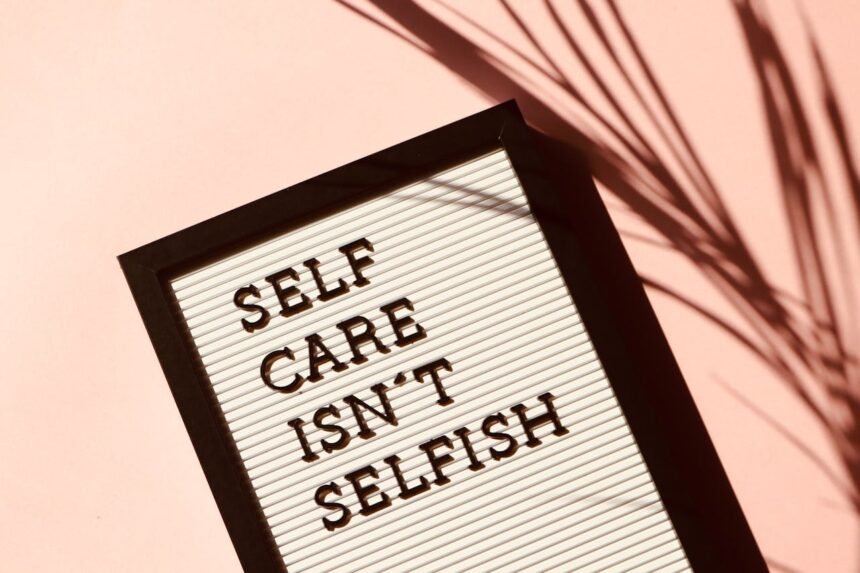
In the hustle of modern life, health is often treated as a reactive necessity rather than a proactive asset. We tend to visit the doctor only when symptoms arise, treating illness rather than cultivating wellness. However, the old adage remains scientifically sound: an ounce of prevention is worth a pound of cure. Adopting a strategic approach to your well-being can add years to your life and, more importantly, life to your years.
To bridge the gap between reactive treatment and proactive living, we have compiled a comprehensive guide. This article serves as your ultimate preventative health checklist for year-round wellness, designed to help you navigate medical screenings, seasonal changes, and lifestyle habits that build a fortress of health around your daily life.
The Foundation: Essential Medical Screenings
The cornerstone of preventative health is early detection. Many chronic conditions, such as hypertension and type 2 diabetes, are “silent killers,” showing few symptoms until significant damage has been done. Establishing a baseline with your primary care physician is non-negotiable.
The Annual Physical
Regardless of how fit you feel, an annual check-up provides a snapshot of your physiological state. This visit should include a review of your family history, an update on immunizations, and a physical exam.
Cardiovascular Health
Heart disease remains the leading cause of death globally. According to the American Heart Association, knowing your numbers is vital. Your checklist should include:
- Blood Pressure Screening: At least once every two years if normal, or annually if high.
- Cholesterol Profile: A lipid panel to check LDL, HDL, and triglycerides every 4-6 years for healthy adults, or more frequently for those at risk.
Cancer Screenings
Guidelines for cancer screenings vary by age and gender, but they are critical for survival rates.
- Colorectal Cancer: The American Cancer Society now recommends regular screening starting at age 45.
- Skin Checks: An annual full-body dermatological exam is essential, especially given the rise in melanoma rates.
- Gender-Specific Screenings: Mammograms, Pap smears, and prostate exams should follow the specific schedules outlined by your healthcare provider.
Seasonal Health Focus: A Quarterly Guide
To make preventative health manageable, it helps to break it down by season. This ensures you are adapting your wellness routine to environmental changes.
Spring: Allergy Management and Renewal
As nature blooms, so do allergens. Spring is the time to manage respiratory health. The Asthma and Allergy Foundation of America suggests starting allergy medications before symptoms peak. This is also an ideal time to check your home for mold and dust mites that accumulated during winter.
Summer: Protection and Hydration
With increased outdoor activity, UV radiation becomes a primary concern. Preventative steps include applying broad-spectrum sunscreen (SPF 30+) daily. Furthermore, dehydration can lead to kidney stones and heat exhaustion. The Centers for Disease Control and Prevention (CDC) emphasizes drinking water before you feel thirsty, particularly during physical exertion.
Autumn: Immunity and Preparation
Fall is the prelude to flu season. This is the critical window for securing your annual influenza vaccination. Additionally, as daylight decreases, it is a good time to prepare for the mental health impacts of Seasonal Affective Disorder (SAD). Consult the National Institute of Mental Health for strategies on light therapy and Vitamin D supplementation.
Winter: Maintenance and Mental Health
Cold weather often leads to a sedentary lifestyle. Winter prevention focuses on maintaining physical activity indoors and managing isolation. It is also the time to ensure your vaccinations for pneumonia or shingles are up to date if you fall into the eligible age groups.

Nutritional Pillars for Long-Term Wellness
Diet is the fuel that powers your immune system. Moving away from processed foods toward whole, nutrient-dense options is the most effective preventative measure you can take at home.
The Micronutrient Breakdown
While macronutrients (fats, carbs, proteins) get all the attention, micronutrient deficiencies can undermine your health. Refer to the table below for key nutrients that support preventative health.
| Nutrient | Primary Preventative Function | Natural Food Sources | Recommended Daily Allowance (Adults) |
|---|---|---|---|
| Vitamin D | Bone health, immune function, mood regulation | Fatty fish, fortified dairy, sunlight exposure | 600-800 IU |
| Magnesium | Muscle function, blood pressure regulation, sleep support | Spinach, almonds, black beans, avocado | 310-420 mg |
| Potassium | Cardiovascular health, stroke prevention | Bananas, sweet potatoes, yogurt | 2,600-3,400 mg |
| Fiber | Digestive health, cholesterol reduction, blood sugar control | Oats, lentils, berries, whole grains | 25-38 g |
| Omega-3s | Anti-inflammatory, heart and brain health | Salmon, flaxseeds, walnuts | 1.1-1.6 g (ALA) |
Note: Always consult a dietitian or doctor before starting high-dose supplements.
For a deeper dive into balanced eating, the Harvard T.H. Chan School of Public Health offers the “Healthy Eating Plate” guide, which serves as a superior alternative to the traditional food pyramid.
Movement as Medicine
A sedentary lifestyle is often termed “the new smoking.” Regular physical activity is not just about weight loss; it is about systemic regulation. The World Health Organization (WHO) recommends at least 150 minutes of moderate-intensity aerobic physical activity per week.
The preventative checklist for exercise includes:
- Cardiovascular Training: Brisk walking, running, or swimming to strengthen the heart.
- Strength Training: Lifting weights or bodyweight exercises twice a week to preserve bone density and metabolic health.
- Flexibility and Balance: Yoga or stretching to prevent falls and injuries as you age.
The Forgotten Pillars: Sleep and Stress
Even with perfect diet and exercise, chronic stress and poor sleep can wreck your health.
Sleep Hygiene
Sleep is when the body repairs DNA and clears toxins from the brain. Chronic sleep deprivation is linked to obesity, heart disease, and dementia. The Sleep Foundation recommends sticking to a consistent sleep schedule, even on weekends, and creating a cool, dark sleeping environment free of blue light screens.
Stress Management
High cortisol levels (the stress hormone) can lead to inflammation and high blood pressure. Preventative mental health care involves daily practices such as mindfulness, meditation, or deep breathing exercises. Recognizing when to seek professional help is also a vital part of the checklist. Resources from the National Alliance on Mental Illness (NAMI) can be instrumental in maintaining psychological resilience.
Adult Immunizations: Not Just for Kids
Many adults assume vaccines are only for childhood. However, immunity fades over time, and viruses mutate.
To ensure your preventative health checklist for year-round wellness is complete, verify your status on the following:
- Tdap: Protects against Tetanus, Diphtheria, and Pertussis (Whooping Cough).
- Shingles: Recommended for adults 50 and older.
- Pneumococcal: vital for those 65+ or with certain chronic conditions.
The U.S. Department of Health & Human Services provides an easy-to-read schedule for adult vaccinations.
Conclusion
Building a preventative health checklist for year-round wellness is an investment in your future self. It shifts the paradigm from fearing illness to celebrating vitality. By scheduling your annual screenings, eating for nutrient density, moving your body consistently, and respecting your need for rest, you create a biological environment where disease struggles to take hold.
Don’t wait for a warning sign to take action. Open your calendar today and schedule that physical, buy those running shoes, or simply go to bed an hour earlier. Your body will thank you for it—not just today, but for decades to come.