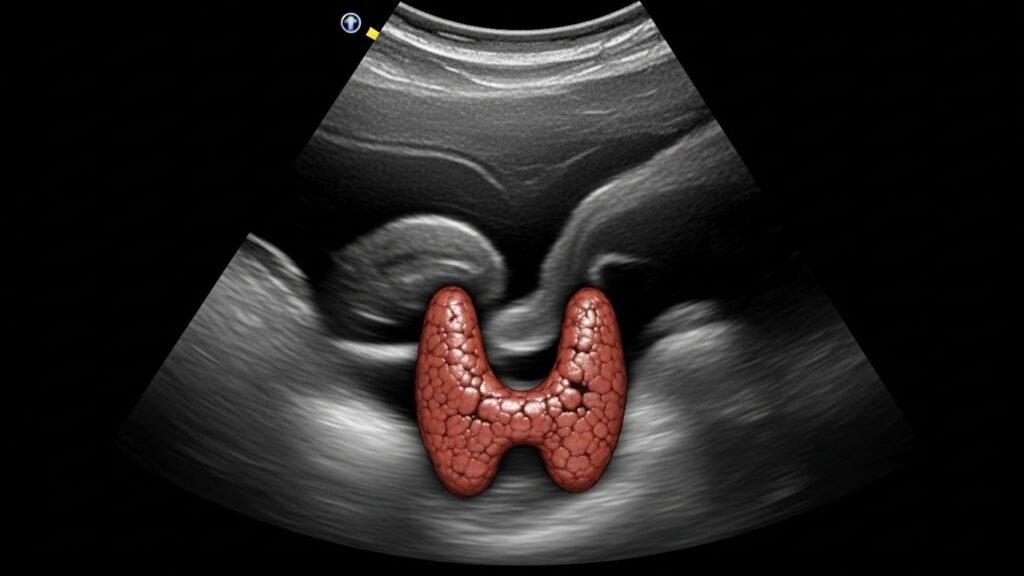
Imagine a small, butterfly-shaped organ located at the base of your neck. Despite weighing less than an ounce, this tiny gland—the thyroid—acts as the master conductor for your body’s metabolic orchestra. From the speed of your heartbeat to how quickly you burn calories, and even your mood regulation, the thyroid influences nearly every cell in the human body.
Yet, for millions of people, this conductor is out of rhythm. Thyroid disorders are incredibly common, often undiagnosed, and frequently misunderstood. Whether you are battling unexplained fatigue, sudden weight changes, or simply want to be proactive about your endocrine health, understanding how this gland works is the first step toward vitality.
This optimal thyroid function guide is designed to demystify the complex world of thyroid health, explaining the mechanics of the endocrine system, recognizing signs of dysfunction, and outlining actionable steps to support your well-being.
The Butterfly Effect: Anatomy and Physiology
To understand thyroid health, we must first look at the Hypothalamus-Pituitary-Thyroid (HPT) axis. This feedback loop governs thyroid hormone production. It starts in the brain, where the hypothalamus releases TRH (Thyrotropin-Releasing Hormone), signaling the pituitary gland to release TSH (Thyroid Stimulating Hormone).
TSH travels to the thyroid gland, prompting it to produce two primary hormones:
- Thyroxine (T4): The inactive storage form of the hormone.
- Triiodothyronine (T3): The active form that cells can actually use.
The conversion of T4 to T3 is critical. While the thyroid produces mostly T4, the body must convert it into T3 (primarily in the liver and gut) to affect metabolism. According to the American Thyroid Association, disruptions at any stage of this pathway can lead to significant health issues.
The Spectrum of Thyroid Disorders
When the thyroid malfunctions, it generally swings in one of two directions: underactive or overactive. Understanding the difference is crucial for effective management.
Hypothyroidism (The Slowdown)
Hypothyroidism occurs when the gland does not produce enough hormones. This slows down bodily functions. The most common cause in iodine-sufficient areas is Hashimoto’s thyroiditis, an autoimmune condition where the immune system attacks thyroid tissue. Information from the National Institute of Diabetes and Digestive and Kidney Diseases (NIDDK) suggests that Hashimoto’s is the leading cause of hypothyroidism in the United States.
Hyperthyroidism (The Speed Up)
Conversely, hyperthyroidism is characterized by an excess of thyroid hormone, causing the body’s metabolism to accelerate rapidly. Graves’ disease is the most common autoimmune cause of this condition. As noted by the Mayo Clinic, this can lead to dangerous complications like rapid heart rate and brittle bones if left untreated.
Recognizing the Signs: Is It Your Thyroid?
Because thyroid hormones affect every system, symptoms can be vague and overlap with other conditions. However, distinct patterns often emerge.
Symptoms of Hypothyroidism
- Fatigue: Feeling tired despite sleeping well.
- Weight Gain: Difficulty losing weight despite diet changes.
- Cold Intolerance: Feeling chilled when others are comfortable.
- Hair Loss: Thinning hair and dry skin.
- Brain Fog: Difficulty concentrating or memory lapses.
Symptoms of Hyperthyroidism
- Unintentional Weight Loss: Dropping pounds without trying.
- Anxiety and Irritability: Feeling jittery or nervous.
- Heat Intolerance: Excessive sweating.
- Palpitations: Rapid or irregular heartbeat.
- Sleep Disturbances: Insomnia or restless sleep.
According to the Office on Women’s Health, women are significantly more likely than men to develop thyroid diseases, especially after pregnancy and menopause.
Decoding the Data: Normal vs. Optimal
One of the biggest frustrations patients face is being told their labs are “normal” while they still feel unwell. This often stems from the difference between “reference ranges” (based on a statistical average of the population) and “functional ranges” (where the body operates best).
A complete thyroid panel should look beyond just TSH. It should include Free T4, Free T3, and thyroid antibodies (TPO and TgAb) to rule out autoimmune activity.
Thyroid Function Markers: A Comparative View
The following table outlines general markers used to assess thyroid health. Note: Always consult your physician for interpretation specific to your health history.
| Marker | What It Measures | Standard Hypothyroid Indication | Standard Hyperthyroid Indication | General Optimal Target (Functional) |
|---|---|---|---|---|
| TSH | Pituitary signal to the thyroid | High (> 4.0 mIU/L) | Low (< 0.4 mIU/L) | 0.5 – 2.0 mIU/L |
| Free T4 | Available storage hormone | Low | High | Mid-to-upper half of range |
| Free T3 | Available active hormone | Low | High | Upper half of range |
| TPO Antibodies | Immune attack on thyroid | Elevated | Normal or Elevated | Negative (0) |
| Reverse T3 | Anti-thyroid (blocks T3) | Elevated | Variable | Low-end of range |
For a deeper dive into lab test specifics, MedlinePlus offers comprehensive definitions of these markers.
Pillars of Optimal Thyroid Function
Achieving balance often requires a multi-faceted approach. While medication is necessary for many, lifestyle factors play a massive role in conversion and absorption.
1. Nutritional Support
Your thyroid requires specific micronutrients to synthesize hormones.
- Iodine: The building block of thyroid hormone. However, balance is key; too much can trigger autoimmune issues. Refer to the National Institutes of Health (ODS) for recommended daily allowances.
- Selenium: Essential for converting T4 to T3 and protecting the thyroid from oxidative stress.
- Zinc: works synergistically with selenium to support thyroid function.
- Iron: Low ferritin (stored iron) can impair thyroid peroxidase activity.
2. Gut Health
Approximately 20% of T4 is converted to T3 in the gut. Dysbiosis or inflammation in the digestive tract can hinder this process. Research highlighted by Harvard Health emphasizes the strong connection between gut health and overall systemic regulation.
3. Stress Management
Chronic stress leads to elevated cortisol. High cortisol can inhibit the conversion of T4 to T3 and increase Reverse T3 (rT3), which blocks thyroid receptors. This is effectively a survival mechanism—your body slowing down metabolism during times of perceived threat. Incorporating mindfulness and sleep hygiene is not just relaxing; it is physiological maintenance.
Medical Intervention and Advocacy
If lifestyle changes are not enough, medical intervention is life-saving. The most common treatment for hypothyroidism is synthetic T4 (Levothyroxine). However, some patients feel better on combination therapy (T4/T3) or desiccated natural thyroid extract. The Endocrine Society provides extensive resources on treatment options and guidelines.
For hyperthyroidism, treatments may include anti-thyroid medications (like methimazole), radioactive iodine therapy, or surgery, as outlined by the Cleveland Clinic.
The Importance of Advocacy
Navigating thyroid health often requires self-advocacy. If you suspect an issue but your TSH is “normal,” request a full panel. Keep a symptom journal. Resources like PubMed can help you stay up to date with the latest research on autoimmune thyroiditis and functional treatments.
Conclusion
Your thyroid may be small, but its impact on your quality of life is monumental. From regulating your energy to controlling your temperature, it is the silent engine of your biology. Whether you are managing a diagnosed condition or simply seeking to prevent future issues, using this optimal thyroid function guide can help you navigate the complexities of endocrine health.
Remember, you are the expert on your own body. If you feel persistently unwell despite “normal” test results, continue to seek answers. Prioritize nutrient-dense foods, manage your stress, and work collaboratively with healthcare providers who listen to your symptoms, not just your numbers. Your health is worth the effort.