For millions of people, waking up tired isn’t just a result of a late night—it is a chronic, relentless state of existence. Hashimoto’s Thyroiditis, the most common autoimmune disease in the United States, often leaves patients feeling trapped in a cycle of exhaustion, brain fog, and weight gain, even when their blood tests come back “normal.” While hormone replacement therapy is the standard medical treatment to normalize TSH levels, it often fails to address the underlying immune dysfunction and the debilitating symptom of fatigue.
Moving from fatigue to function requires a shift in perspective. It involves looking beyond the thyroid gland itself and addressing the body as an interconnected system. By integrating Hashimoto’s fatigue holistic approaches, patients can support their immune system, reduce inflammation, and reclaim their vitality. This guide explores evidence-based lifestyle changes, nutritional strategies, and stress management techniques designed to complement standard medical care.
Understanding the Autoimmune Component
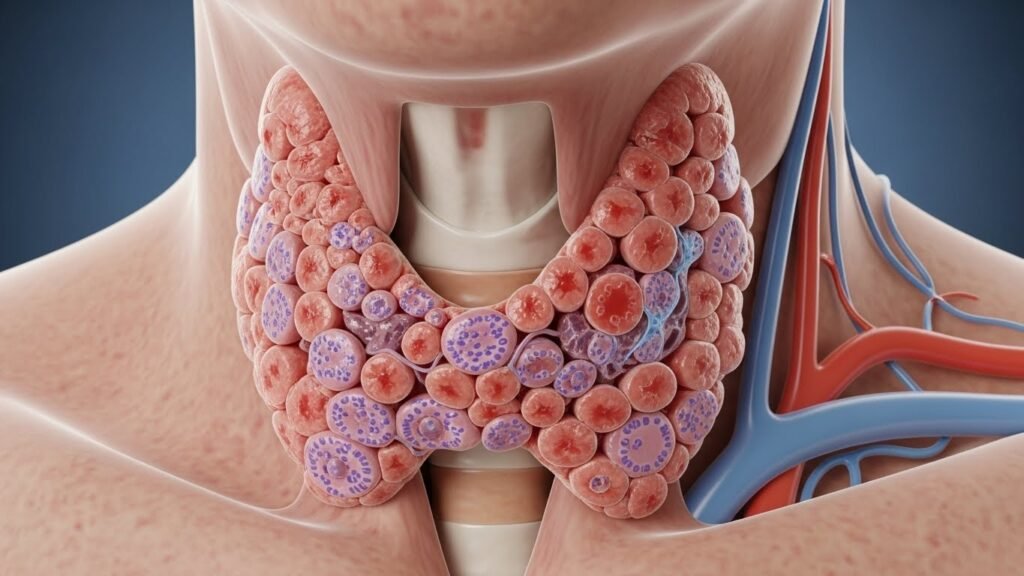
Hashimoto’s is not primarily a thyroid problem; it is an immune system problem. In this condition, the immune system mistakenly attacks the thyroid gland, leading to inflammation and the gradual destruction of thyroid tissue. This autoimmune attack is often driven by a combination of genetic susceptibility and environmental triggers. According to the American Thyroid Association, this chronic inflammation is what eventually leads to hypothyroidism (underactive thyroid).
However, the fatigue experienced by Hashimoto’s patients is not solely due to low thyroid hormones. It is also a result of the systemic inflammation caused by the autoimmune response. Therefore, managing the condition requires strategies that dampen this immune attack and repair the damage done to the cellular energy centers.
Nutritional Strategies to Quell Inflammation
Diet plays a pivotal role in managing autoimmune conditions. The goal of a holistic diet for Hashimoto’s is to eliminate triggers that cause inflammation while flooding the body with nutrients needed for thyroid repair.
The Gluten-Thyroid Connection
One of the most significant dietary interventions for Hashimoto’s is the removal of gluten. The molecular structure of gliadin (the protein portion of gluten) closely resembles that of the thyroid gland. When people with gluten sensitivity consume it, the immune system creates antibodies that can mistakenly attack the thyroid tissue—a phenomenon known as molecular mimicry. The Celiac Disease Foundation notes a significantly higher prevalence of thyroid disease in patients with Celiac disease, suggesting a strong link between gut health and thyroid function.
The Autoimmune Protocol (AIP)
For those looking for a comprehensive reset, the Autoimmune Protocol (AIP) is a specialized version of the Paleo diet designed to heal the gut mucosa and reduce inflammation. It involves temporarily eliminating:
- Grains and gluten
- Dairy products
- Nightshades (tomatoes, potatoes, peppers)
- Processed sugars and seed oils
By stripping away these potential irritants, the immune system is given a chance to “cool down,” often resulting in a significant reduction in antibodies and an increase in energy.
Essential Nutrients for Thyroid Synthesis
While removing triggers is essential, adding specific nutrients is equally critical. The thyroid relies on a delicate balance of minerals to convert T4 (inactive hormone) into T3 (active hormone).
Data Table: Key Nutrients for Thyroid Optimization
The following table outlines critical nutrients required for optimal thyroid health and where to find them naturally.
| Nutrient | Role in Thyroid Health | Food Sources | Recommended Daily Allowance (Adults) |
|---|---|---|---|
| Selenium | Essential for converting T4 to T3 and reducing TPO antibodies. | Brazil nuts, tuna, sardines, eggs. | 55 mcg |
| Zinc | Supports the immune system and thyroid hormone synthesis. | Oysters, beef, pumpkin seeds, lentils. | 8–11 mg |
| Vitamin D | Regulates the immune system; deficiency is linked to autoimmunity. | Fatty fish, fortified foods, sunlight exposure. | 600–800 IU (often higher for autoimmune) |
| Iron | Necessary for thyroid peroxidase activity (making thyroid hormone). | Red meat, spinach, organ meats, quinoa. | 8–18 mg |
| Magnesium | vital for energy production and converting T4 to T3. | Almonds, spinach, cashews, black beans. | 310–420 mg |
Note: Always consult with a healthcare provider before starting high-dose supplementation, particularly with iron and selenium.
The Gut-Thyroid Axis
Holistic medicine often cites the phrase, “All disease begins in the gut.” This is particularly true for autoimmune diseases. A compromised intestinal barrier, often referred to as “leaky gut,” allows toxins, microbes, and undigested food particles to enter the bloodstream. This breach triggers an immune response, perpetuating the cycle of autoimmunity.
Research published by the National Institutes of Health (NIH) highlights the influence of the gut microbiome on thyroid function. Supporting gut health through the use of probiotics, fermented foods (like sauerkraut and kefir), and bone broth can help repair the intestinal lining, thereby reducing the systemic inflammation that contributes to chronic fatigue.
Stress, Adrenals, and the “Tired but Wired” State
Stress is kryptonite for the thyroid. When the body is under stress, the adrenal glands release cortisol. While cortisol is necessary for survival, chronic elevation disrupts the hypothalamic-pituitary-thyroid (HPT) axis. High cortisol levels can inhibit the conversion of T4 to T3 and increase the production of Reverse T3, an inactive molecule that blocks thyroid receptors.
According to Harvard Health, the chronic activation of the stress response impairs almost all the body’s processes. Managing stress is not a luxury; it is a medical necessity for Hashimoto’s patients. Effective techniques include:
- Mindfulness Meditation: Reduces cortisol and improves immune regulation.
- Vagus Nerve Stimulation: Techniques like humming, cold showers, or deep breathing can activate the parasympathetic nervous system (rest and digest).
- Sleep Hygiene: Prioritizing 7-9 hours of sleep in a pitch-black room to support circadian rhythms.
Exercise: Finding the “Goldilocks” Zone
For someone suffering from Hashimoto’s fatigue, the advice to “exercise more” can be counterproductive. High-intensity interval training (HIIT) or excessive cardio can spike cortisol levels, leading to an adrenal crash that exacerbates fatigue.
Instead, the goal is restorative movement. Low-impact exercises stimulate blood flow and lymph drainage without depleting energy reserves.
- Yoga: Studies cited by the Mayo Clinic suggest yoga helps reduce stress and inflammation.
- Walking: Gentle walking in nature (forest bathing) lowers cortisol.
- Strength Training: Slow, controlled resistance training builds metabolic capacity without the burnout of cardio.
Detoxification and Environmental Toxins
The thyroid is uniquely sensitive to environmental toxins, particularly endocrine disruptors like BPA, phthalates, and heavy metals. Furthermore, halogens like fluoride and chlorine (found in tap water) typically compete with iodine for absorption in the thyroid gland.
To reduce the toxic burden:
- Filter Water: Use a high-quality water filter to remove fluoride and chlorine.
- Clean Personal Care: Switch to natural beauty products to avoid endocrine-disrupting chemicals. The Environmental Working Group (EWG) provides excellent databases for safe products.
- Sweat it Out: Infrared saunas can assist in the elimination of heavy metals and toxins through sweat.
Working with Your Healthcare Team
Adopting Hashimoto’s fatigue holistic approaches does not mean abandoning conventional medicine. It means creating an integrative model of care. Thyroid hormone replacement (Levothyroxine, Liothyronine, or NDT) is often necessary to sustain life and function. However, the lifestyle changes discussed here act as the foundation upon which medication can work more effectively.
Information from Johns Hopkins Medicine suggests that autoimmune diseases require long-term management strategies that evolve with the patient. Regular monitoring of TSH, Free T3, Free T4, and Thyroid Peroxidase (TPO) antibodies is essential to track progress.
Conclusion
Recovering from the crushing weight of Hashimoto’s fatigue is a journey, not a sprint. It involves peeling back the layers of inflammation, gut dysfunction, nutrient deficiencies, and stress that have accumulated over time. By listening to your body and implementing these holistic strategies—ranging from dietary shifts like the AIP diet to stress reduction and smart supplementation—you can silence the autoimmune attack and reignite your energy.
You do not have to accept fatigue as your baseline. With patience, consistency, and a comprehensive approach, moving from fatigue to function is entirely within your reach.