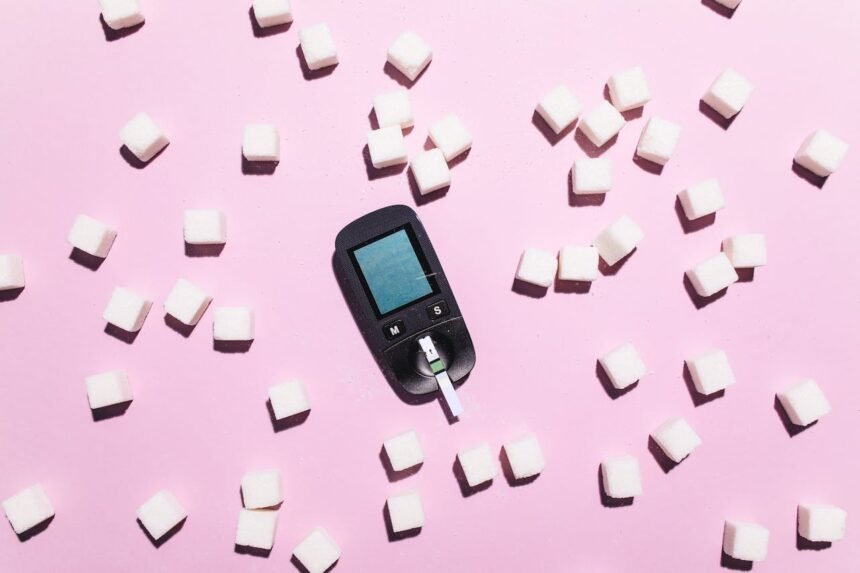
Receiving a diagnosis of prediabetes can feel like a wake-up call, a moment of uncertainty where your future health hangs in the balance. It is estimated that approximately 98 million American adults—more than 1 in 3—have prediabetes. Even more alarming, the Centers for Disease Control and Prevention (CDC) reports that more than 80% of them do not know they have it.
However, there is a silver lining hidden within the diagnosis: prediabetes is not a life sentence. Unlike established Type 2 diabetes, which is a chronic condition requiring lifelong management, prediabetes is a reversible warning sign. Through targeted prediabetes prevention lifestyle changes, you can restore healthy blood sugar levels and avoid the progression to chronic disease. This comprehensive guide explores the science of prediabetes and the actionable steps you can take today to reclaim your health.
Understanding the Diagnosis: What is Prediabetes?
Prediabetes occurs when your blood sugar levels are higher than normal but not yet high enough to be classified as Type 2 diabetes. It is fundamentally a condition of insulin resistance. Your pancreas produces insulin—a hormone that allows blood sugar to enter cells for use as energy—but your cells do not respond to it effectively.
To compensate, your pancreas pumps out more insulin. Eventually, the pancreas cannot keep up, and blood sugar rises. The American Diabetes Association (ADA) relies on specific metrics, such as the Hemoglobin A1C test, to diagnose this condition. An A1C level between 5.7% and 6.4% generally indicates prediabetes.
The Silent Symptoms
One of the most dangerous aspects of this condition is its subtlety. Many people have no clear symptoms. However, according to the Mayo Clinic, darkened skin on certain parts of the body (acanthosis nigricans), specifically the neck, armpits, and groin, can be a sign of insulin resistance. Other potential warning signs include:
- Increased thirst and frequent urination
- Excess hunger
- Fatigue
- Blurred vision
The Power of Nutrition: Eating to Reverse Insulin Resistance
Diet is arguably the most critical factor in prediabetes prevention lifestyle changes. The goal isn’t to starve yourself but to choose foods that do not cause rapid spikes in blood glucose.
1. The Glycemic Index and Fiber
Focus on complex carbohydrates that have a low Glycemic Index (GI). High-GI foods, like white bread and sugary sodas, cause rapid insulin spikes. Low-GI foods, such as whole oats, legumes, and non-starchy vegetables, digest slowly.
Fiber is your best friend in this journey. It acts as an internal regulator, slowing down the absorption of sugar. The Harvard T.H. Chan School of Public Health emphasizes that a high-fiber diet is strongly linked to a lower risk of Type 2 diabetes.
2. The Plate Method
A simple way to manage portions without counting calories is the “Plate Method”:
- Half the plate: Non-starchy vegetables (spinach, broccoli, peppers).
- One-quarter: Lean protein (chicken, fish, tofu).
- One-quarter: Carbohydrates (brown rice, quinoa, sweet potato).
3. Eliminating Liquid Sugars
Sugar-sweetened beverages are a primary driver of metabolic dysfunction. The American Heart Association recommends severely limiting added sugars to prevent cardiovascular issues often associated with diabetes.

Movement as Medicine: Physical Activity
Exercise does more than burn calories; it changes how your cells interact with insulin. When you engage in physical activity, your muscles contract and can take up glucose from your blood for energy, even without the need for insulin. This effect can last for up to 24 hours after a workout.
Recommended Activity Levels
The World Health Organization (WHO) recommends at least 150 minutes of moderate-intensity aerobic physical activity per week. This breaks down to just 30 minutes a day, five days a week.
Types of Effective Exercise
- Aerobic Exercise: Brisk walking, swimming, or cycling improves cardiovascular health and burns glucose.
- Resistance Training: Building muscle mass is crucial because muscle tissue burns more glucose at rest than fat tissue does.
- HIIT (High-Intensity Interval Training): Short bursts of intense activity followed by rest can rapidly improve insulin sensitivity.
Weight Management: The 5-7% Rule
You do not need to reach your “ideal” body weight to see drastic improvements. The National Institute of Diabetes and Digestive and Kidney Diseases (NIDDK) suggests that losing just 5% to 7% of your starting body weight can prevent or delay diabetes. For a 200-pound person, that is a loss of only 10 to 14 pounds.
Visceral fat—the fat stored around your abdominal organs—is particularly active metabolically and releases inflammatory markers that worsen insulin resistance. Therefore, waist circumference is often a better health metric than BMI alone.
Diagnostic Criteria Comparison
Understanding where your numbers stand is vital for tracking your progress. Below is a comparison of the diagnostic criteria used by healthcare professionals.
| Test | Normal Range | Prediabetes Range | Type 2 Diabetes Range |
|---|---|---|---|
| A1C Test (Average blood sugar over 3 months) | Below 5.7% | 5.7% – 6.4% | 6.5% or higher |
| Fasting Plasma Glucose (After 8 hours fasting) | 99 mg/dL or below | 100 – 125 mg/dL | 126 mg/dL or higher |
| Oral Glucose Tolerance Test (2 hours after sugary drink) | 139 mg/dL or below | 140 – 199 mg/dL | 200 mg/dL or higher |
Note: Diagnosis usually requires two separate tests to confirm results.
The Overlooked Factors: Sleep and Stress
While diet and exercise get the spotlight, sleep and stress management are the unsung heroes of prediabetes prevention lifestyle changes.
The Cortisol Connection
Chronic stress triggers the release of cortisol and adrenaline. These “fight or flight” hormones cause your liver to release stored glucose into the bloodstream to provide energy for a threat that, in modern life, is usually psychological rather than physical. The Cleveland Clinic notes that elevated cortisol levels over time can lead to sustained high blood sugar and weight gain.
Sleep Apnea and Metabolism
Poor sleep disrupts the hormones that regulate hunger (ghrelin and leptin) and reduces insulin sensitivity. There is a strong bidirectional link between sleep apnea and type 2 diabetes. According to the Sleep Foundation, adults should aim for 7 to 9 hours of quality sleep per night to support metabolic health.
Smoking and Insulin Resistance
If you smoke, quitting is one of the most immediate actions you can take. Smokers are 30–40% more likely to develop type 2 diabetes than nonsmokers. Nicotine increases inflammation and alters the way cells respond to insulin. Resources from Smokefree.gov can provide the support needed to quit.
When to Seek Medical Intervention
While lifestyle changes are the first line of defense, some individuals may require medical assistance. If you have a high risk of progression despite lifestyle modifications, your doctor might prescribe Metformin or other medications. Regular monitoring is essential. As suggested by WebMD, keeping a log of your blood sugar readings (if you test at home) can help you and your doctor understand how specific foods and activities affect your body.
Conclusion: Taking Control of Your Narrative
Prediabetes is a crossroads, not a cliff. It is a biological signal that your body requires a change in environment and habit. By implementing these prediabetes prevention lifestyle changes—optimizing your nutrition, increasing physical activity, managing weight, and prioritizing sleep—you can turn that signal off.
The journey to reversing prediabetes does not require perfection; it requires consistency. Start with small, manageable changes. Swap your afternoon soda for water, take a 15-minute walk after dinner, or add a serving of vegetables to your lunch. Every positive choice compounds, leading you away from chronic illness and toward a vibrant, healthy future.
Disclaimer: This content is for informational purposes only and does not constitute medical advice. Always consult with a healthcare professional before making significant changes to your diet or exercise routine.