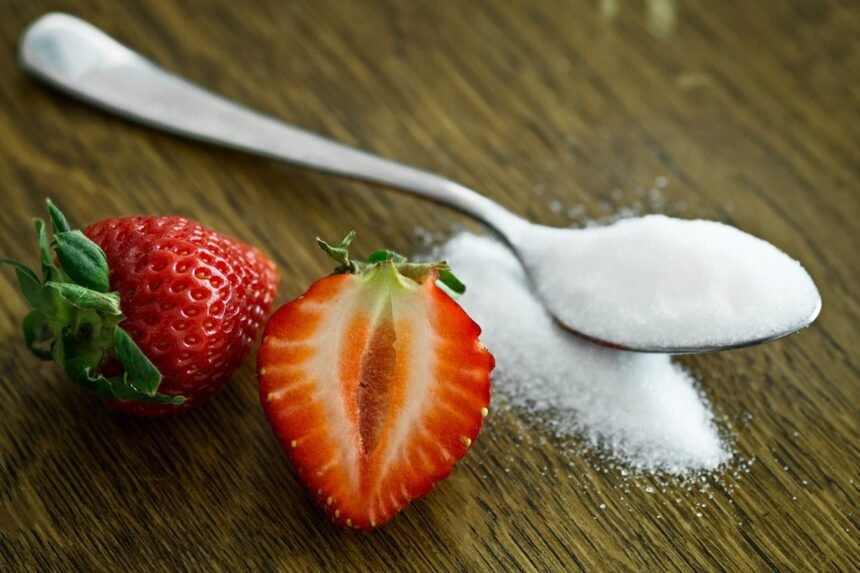
We all know the drill: if you eat a donut for breakfast, a candy bar for lunch, and a slice of cake for dinner, you’re consuming too much sugar. That’s obvious. But what if I told you that your “healthy” bran muffin, your savory pasta sauce, and even your salad dressing were quietly sabotaging your health goals?
Welcome to the tricky world of modern nutrition, where sweet stuff lurks in the most unexpected places. Finding hidden sugar everyday foods has become something of a scavenger hunt, and unfortunately, the prize is often an unwanted spike in blood glucose.
In this guide, we’re going to peel back the labels, decode the confusing terminology, and expose the sugary culprits hiding in plain sight. Grab a glass of water (skip the soda for now), and let’s dive in.
The Sweet Deception: Why Is It Everywhere?
Before we start pointing fingers at ketchup bottles, it’s important to understand why sugar is so pervasive. It’s not just about making things taste like candy. Manufacturers use sugar to preserve food, improve texture, add bulk, and balance acidity (especially in tomato-based products).
However, our biological craving for sweetness, combined with industrial food processing, has led to a consumption rate that health organizations find alarming. The American Heart Association (AHA) recommends that men consume no more than 9 teaspoons (36 grams) of added sugar per day, and women no more than 6 teaspoons (25 grams). Yet, the average American consumes far more than that—often without realizing it.
The Many Aliases of Sugar
One of the biggest challenges in spotting hidden sugar everyday foods is that it doesn’t always appear as “sugar” on the ingredient list. There are over 60 different names for added sweeteners. If you aren’t careful, you might be buying a product that lists three or four different types of syrup, making the total sugar content skyrocket while keeping “sugar” lower on the list.
Here are some common disguises to watch out for:
- High-Fructose Corn Syrup (HFCS): A processed sweetener derived from corn starch, widely debated for its metabolic effects. You can read more about its chemistry on Wikipedia.
- The “-ose” family: Dextrose, Fructose, Glucose, Lactose, Maltose, Sucrose.
- Syrups: Agave nectar, Brown rice syrup, Barley malt syrup, Maple syrup.
- Concentrates: Fruit juice concentrates (which sound healthy but are stripped of fiber).
According to Harvard T.H. Chan School of Public Health, knowing these names is the first line of defense in managing your diet.

The Culprits: Where Is the Sugar Hiding?
Now, let’s look at the specific aisles in the grocery store where you need to be extra vigilant.
1. The “Healthy” Breakfast Trap
We often associate yogurt and granola with health. While they can be, commercially prepared varieties are frequently sugar bombs. A seemingly innocent container of fruit-on-the-bottom yogurt can contain as much sugar as a candy bar.
- Yogurt: Low-fat varieties often pump up the sugar to make up for the loss of flavor from fat. Check the label for “Total Sugars” and specifically “Added Sugars.”
- Granola & Cereal: Even whole-grain options are often coated in honey, molasses, or syrup to maintain that crunch. Healthline identifies flavored yogurts and granola bars as top offenders.
2. Savory Sauces and Condiments
You don’t expect your dinner to be sweet, but pasta sauces and condiments are notorious for harboring hidden sugar everyday foods.
- Pasta Sauce: To cut the acidity of tomatoes, brands often add heaps of sugar. A half-cup serving can contain 10+ grams of sugar.
- Ketchup & BBQ Sauce: Think of these as sugar pastes. One tablespoon of ketchup typically contains about 4 grams (1 teaspoon) of sugar. BBQ sauce is even sweeter.
3. Salad Dressings
You order the salad to be virtuous, but then you drown it in Raspberry Vinaigrette or French dressing. Fat-free dressings are the worst offenders here; similar to yogurt, when the fat is removed, sugar is added to provide mouthfeel and flavor. The Academy of Nutrition and Dietetics warns that these additions can negate the health benefits of your veggies.
4. Bread and Crackers
Take a look at the bread aisle. Unless you are buying artisanal sourdough or specific whole-grain varieties, your sandwich bread likely contains added sugar to help the yeast rise and to brown the crust. According to WebMD, even savory crackers can have high fructose corn syrup listed in the top ingredients.
The Data: A Sweet Reality Check
To visualize just how much sugar is sneaking into your diet, let’s compare some common items against the daily recommendations. Remember, 4 grams of sugar equals approximately 1 teaspoon.
| Food Item (Serving Size) | Estimated Added Sugar (Grams) | Equivalent in Teaspoons | % of Daily Limit (Women)* |
|---|---|---|---|
| Flavored Low-Fat Yogurt (6oz) | 24g | 6 tsp | 96% |
| BBQ Sauce (2 Tbsp) | 12g | 3 tsp | 48% |
| Granola Bar (1 bar) | 10-15g | 2.5 – 4 tsp | 40-60% |
| Canned Tomato Soup (1 cup) | 10g | 2.5 tsp | 40% |
| Vitamin Water (20 oz) | 32g | 8 tsp | 128% |
| Energy Drink (16 oz) | 54g | 13.5 tsp | 216% |
Based on the AHA recommendation of 25g max per day for women.
Liquid Sugar: The Fastest Route to Overconsumption
While we are focusing on food, we cannot ignore beverages. We often don’t register liquid calories the same way we do solid food.
- Fruit Juice: Even 100% juice lacks the fiber of the fruit, causing a rapid insulin spike.
- Sports Drinks: Unless you are running a marathon, you likely don’t need the sugar contained in these beverages.
- Fancy Coffees: That vanilla latte is essentially a milkshake with a shot of espresso.
The CDC (Centers for Disease Control and Prevention) urges consumers to “rethink your drink” as a primary method for weight control.
How to Master the Label
Identifying hidden sugar everyday foods requires becoming a detective. Thanks to updates by the FDA (U.S. Food and Drug Administration), labels now must list “Added Sugars” beneath “Total Sugars.” This is a game-changer.
- Check the Serving Size: Is that sugar count for the whole bottle or just a tablespoon?
- Scan the Ingredients: Ingredients are listed by weight. If sugar (or one of its aliases) is in the top three, put it back.
- Total vs. Added: Milk and fruit have natural sugars (lactose and fructose). These are generally fine in moderation because they come with protein and fiber. Focus on the “Added Sugars” line.
The Health Impact
Why does this matter? It’s not just about cavities. Chronic high sugar intake is linked to inflammation, type 2 diabetes, heart disease, and obesity. The Mayo Clinic highlights that reducing sugar intake is one of the most effective ways to prevent insulin resistance.
Furthermore, high sugar intake can lead to a cycle of energy spikes and crashes, affecting your mood and productivity. The World Health Organization (WHO) strongly recommends reducing free sugars to less than 10% of total energy intake, with a further reduction to below 5% for additional health benefits.
Realistic Swaps for a Lower Sugar Life
You don’t have to eat bland food to be healthy. Here are some easy swaps:
- Yogurt: Buy plain Greek yogurt and add your own fresh berries and a drizzle of honey. You control the amount.
- Oatmeal: Skip the instant packets. Make rolled oats and flavor with cinnamon, nutmeg, and fresh fruit.
- Sauce: Look for marinara sauces that list tomatoes, garlic, and oil—no sugar. Or make your own; it’s easier than you think.
- Salad Dressing: Olive oil and vinegar (balsamic or apple cider) is a classic for a reason.
For nutrient data on specific whole foods to use as replacements, the USDA FoodData Central is an invaluable resource.
Conclusion: Take Back Control of Your Pantry
Sugar isn’t evil, but the way it is hidden in our food supply is deceptive. By unmasking these hidden sugar everyday foods, you are taking a massive step toward better metabolic health, stable energy levels, and a shrinking waistline.
Here is my challenge to you: Go to your pantry right now. Pick up three items you consider “healthy” or “savory.” Check the label for “Added Sugars.” If you are shocked by what you find, it might be time to find a better alternative.
Small changes add up. You don’t have to quit sugar cold turkey, but becoming aware of where it’s hiding is the first step to enjoying the sweet life—on your own terms.