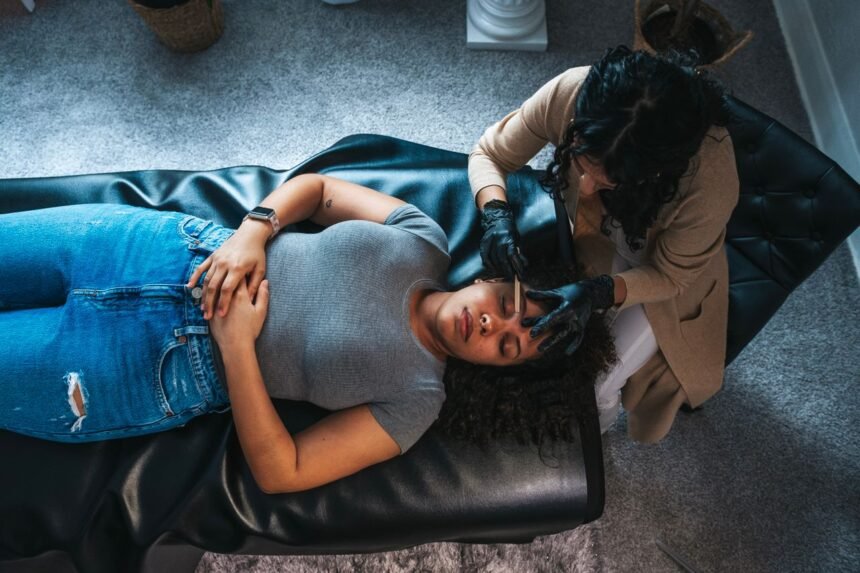
In the ever-evolving world of skincare, few trends have gained as much traction as quickly as dermaplaning. Once a treatment reserved strictly for the clinic, the availability of the dermaplaning tool for home use has democratised the quest for a glass-like complexion. If you have noticed your makeup clinging to dry patches or simply want to improve your skin’s radiance, this method of physical exfoliation might be the answer.
While the concept of taking a sharp blade to your face can sound intimidating, using a dermaplaning tool is generally safe when performed correctly. It involves gently scraping the surface of the skin to remove the top layer of dead skin cells and vellus hair, commonly known as peach fuzz. This guide will walk you through the science, the safety, and the step-by-step process of achieving smoother skin from the comfort of your bathroom.
Overview: What is dermaplaning?
Dermaplaning is a form of physical exfoliation. Unlike chemical exfoliants (like AHAs or BHAs) that dissolve the bonds between skin cells, a dermaplaning tool mechanically removes the debris. The primary goal is exfoliating dead skin cells that accumulate on the surface, which can often lead to a dull complexion and clogged pores.
Historically, this was one of the premier cosmetic dermatology treatments performed by aestheticians using a surgical scalpel. However, the consumer versions of these tools are designed with safety guards to prevent deep cuts, making them suitable for amateurs.
One of the most celebrated at-home dermaplaning benefits is the immediate improvement in skin texture. By removing the barrier of dead skin and fine hair, skincare products can penetrate more deeply, and makeup sits more flush against the skin rather than sitting on top of fuzz.
The “Peach Fuzz” factor
For many, the primary appeal is peach fuzz removal. Vellus hair is the fine, translucent hair found on the cheeks, jawline, and forehead. While completely natural, this hair can trap dirt and oil. Removing it does not alter the hair follicle structure, contrary to popular belief.
It is important to distinguish this from terminal hair (the thicker, darker hair often found on the upper lip or chin due to hormonal factors). While a single-blade razor for face shaving can handle both, dermaplaning is specifically optimised for fine hair and skin resurfacing.
Skin Concerns: Why consider this tool?
Before adding a new gadget to your routine, it is vital to understand what concerns it addresses.
Dullness and uneven texture
If your skin feels rough to the touch, you are likely dealing with a buildup of keratinocytes (dead cells). Skin texture improvement is arguably the most consistent result of dermaplaning. By revealing the fresh skin underneath, you achieve an instant glow.
For those interested in holistic skin health, supporting your skin from the inside is just as important as exfoliation. For instance, obtaining adequate Vitamin A and copper is essential for skin regeneration. You can read more about nutrient density in our article on The nutritional benefits of beef liver pills: A comprehensive overview.
Product absorption
Have you ever felt that your expensive serums are just sitting on your face? A layer of dead skin and hair acts as a physical blockade. Once removed, your moisturisers and actives can work more effectively.
This principle of removing barriers applies to other areas of hygiene as well. Just as you might consider Why using a tongue scraper should be part of your oral hygiene routine to remove bacterial buildup, dermaplaning clears the ‘debris’ from your dermal layer.
Acne scars and hyperpigmentation
While it is not a cure-all, some users find success with dermaplaning for acne scars—specifically the superficial post-inflammatory hyperpigmentation. By speeding up cell turnover, these marks may fade faster. However, it is crucial not to dermaplane over active acne.
Safety and Myths
Will my hair grow back thicker?
This is the most common myth associated with facial hair removal for women. The answer is a definitive no. Shaving or dermaplaning cuts the hair at the surface, which might make the tip feel blunt as it grows out, but it does not change the thickness, colour, or rate of growth controlled by your genetics. You can verify this biological fact through resources like the Mayo Clinic.
Is it safe for everyone?
While generally safe, those with active pustular acne, eczema, or rosacea should avoid it to prevent spreading bacteria or causing inflammation. If you have highly reactive skin, look into sensitive skin exfoliation alternatives or consult a dermatologist first.
Step-by-Step: How to use a dermaplaning tool
Using a dermaplaning tool requires a steady hand and preparation. Here is your protocol for safety and efficacy.
1. Preparation and Cleansing
Start with a completely clean canvas. Remove all makeup and perform a double cleanse to ensure no oil remains. Just as you might ensure your dental tools are clean (perhaps considering Why switching to a bamboo toothbrush is better for the environment), your face tool must be sterile.
Pat your skin completely dry. Moisture can cause the blade to slip or drag, leading to irritation.
2. Choose your medium: Oil vs Dry
The debate of dermaplaning oil vs dry is ongoing.
- Dry Dermaplaning: The traditional method. It offers the most potent exfoliation but requires careful technique to avoid scraping too hard.
- Oil Dermaplaning: Applying a thin layer of facial oil allows the blade to glide more smoothly. This is often recommended for beginners or those with dry skin to reduce friction.
3. The Technique
Hold the skin taut with one hand. This is non-negotiable; loose skin can bunch up under the blade and cause nicks. Hold the dermaplaning tool at a 45-degree angle against the skin.
Use short, feathery strokes moves downwards. Do not apply heavy pressure; let the tool do the work. Avoid the delicate eye area and the nose.
Focus on dermaplaning blade safety: never reuse a dull blade. Most at-home tools are designed for single or limited use. Using a dull blade is a primary cause of razor burn and ingrown hairs. For more on safe shaving practices, the American Academy of Dermatology offers excellent guidelines.
4. Post-Treatment Care
Immediately after the session, your skin will be sensitive. Rinse with cool water. Do not use harsh actives like Retinol, Vitamin C, or Glycolic Acid immediately after, as this can damage the skin barrier.
Instead, focus on a soothing post-dermaplaning skincare routine. Use a rich moisturiser containing hyaluronic acid or ceramides. If you feel any tension in your face or neck during the process, you might want to relax afterwards. Tools like a Relieving neck tension with a neck cloud: What you need to know can help reset your posture and relax facial muscles.
Hydration is also key. Drinking water from a quality vessel can remind you to stay hydrated, which aids skin recovery. See our guide on The benefits of using a copper water bottle for daily hydration.
Tips for Radiance and Safety
Sun Protection is mandatory
Exfoliation removes the dead skin layer that provides some minimal protection against UV rays. Your skin is now more susceptible to sun damage. You must apply a broad-spectrum SPF 30 or higher the next day. The Skin Cancer Foundation emphasizes that incidental sun exposure adds up, especially on freshly exfoliated skin.
Preventing Ingrown Hairs
Although dermaplaning is less likely to cause ingrowns than tweezing, it can happen. Preventing ingrown hairs on face involves keeping the skin moisturised and perhaps using a gentle salicylic acid wash two days after the treatment (not immediately). If you struggle with congestion generally, you might also look into whether nasal breathing issues are affecting your sleep and skin health; read about Can a nasal dilator improve your breathing and deep sleep quality?.
Frequency
A common question is how often to use dermaplaning tool. The skin cycle takes about 28 days. Therefore, dermaplaning should generally be done no more than once every 3 to 4 weeks. Over-exfoliating can compromise the lipid barrier, leading to redness and breakouts. According to Healthline, spacing out treatments is essential for maintaining skin integrity.
Comparing Exfoliation Methods
Is dermaplaning right for you, or should you look elsewhere?
If you prefer chemical exfoliation (like foot peels for the face), remember that physical tools offer instant gratification. For a comparison of intense exfoliation methods (albeit for a different body part), consider reading Everything you need to know before using a foot peel mask at home to understand how shedding layers works.
Furthermore, stress impacts skin health significantly. If you are using dermaplaning as a self-care ritual to combat stress-induced skin dullness, you might also explore A guide to ear seeds: Do they really help with stress and anxiety? as a complementary therapy.
Managing Sensitivity and Reactions
If you experience a “purge” or slight breakout after dermaplaning, it is usually due to bacteria entering the pores. To mitigate this:
- Sanitise the blade with rubbing alcohol before use.
- Avoid touching your face.
- Ensure your pillowcases are clean.
For those who have very sensitive systems, even the material of the sheets matters. Grounding sheets have become popular for reducing inflammation. Learn more in our article: Grounding sheets: The science behind earthing for physical wellness.
Additionally, if you find your skin is reactive due to poor sleep or muscle tension, consider natural aids. For example, Does magnesium spray help with muscle recovery and better sleep? discusses how transdermal magnesium can soothe the body, which indirectly benefits skin calmness.
The Bottom Line
Incorporating a dermaplaning tool into your beauty regimen can be a game-changer for achieving radiant complexion tips and smoother makeup application. It is an effective method for both exfoliation and hair removal that, when done correctly, offers professional-level results at home.
However, respect the blade. It is a sharp instrument that requires focus and hygiene. Always prioritise skin barrier health over aggressive exfoliation. If you have sinus issues or facial puffiness that you think exfoliation might fix, ensure you are addressing the root cause—perhaps by learning How to safely use a neti pot for sinus relief and congestion—rather than just treating the surface.
Finally, remember that beauty sleep is real. While dermaplaning helps the surface, deep rest repairs the cells. Tools like Mouth tape for better sleep: Benefits and safety considerations can ensure you are getting the restorative sleep necessary for your skin to glow. Lastly, for a full body detox approach that complements your glowing skin, check out How to use a castor oil pack for digestive health and detoxing.
By combining the physical exfoliation of dermaplaning with a holistic approach to health, you are well on your way to your best skin yet.