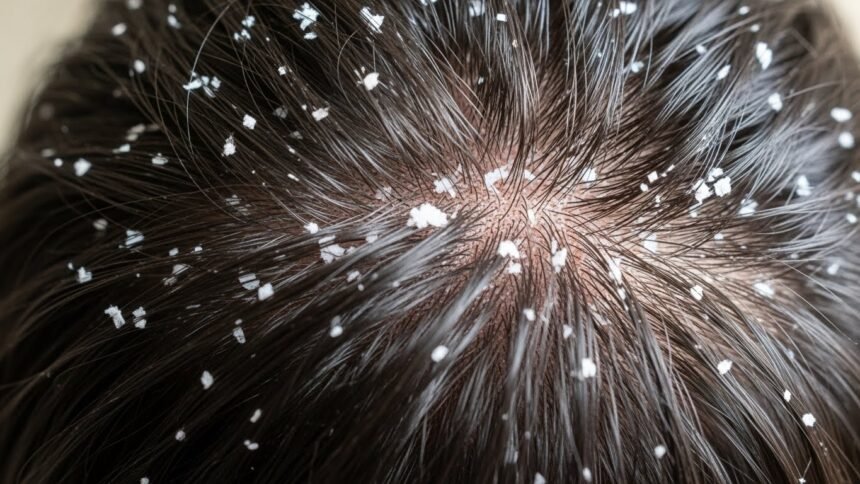
Nothing ruins a confident stride in a little black dress or a sharp navy suit quite like the tell-tale snowy dust on your shoulders. Dandruff is a common, often embarrassing condition that affects approximately 50% of the adult population worldwide. While the shelves of drugstores are lined with clinical-strength shampoos, many people are turning towards homemade dandruff treatments to manage their scalp health naturally, avoiding harsh sulfates and synthetic fragrances.
In this comprehensive guide, we will explore the science behind why our scalps flake, delve into the most effective natural remedies supported by research, and compare these DIY solutions to their chemical counterparts. It is time to reclaim your confidence and achieve a flake-free, fabulous scalp.
Understanding the Root Cause: What is Dandruff?
Before diving into the remedies, it is crucial to understand what we are treating. Dandruff is not merely dry skin; it is often a mild form of seborrheic dermatitis. According to the Mayo Clinic, common causes include irritated, oily skin, sensitivity to hair care products (contact dermatitis), and other skin conditions like psoriasis or eczema.
However, one of the primary culprits is a yeast-like fungus called Malassezia. This fungus lives on the scalps of most adults but can grow out of control, feeding on the oils secreted by hair follicles. This overgrowth triggers an immune response, leading to increased skin cell turnover—the visible white flakes we know as dandruff.
Top Science-Backed Homemade Dandruff Treatments
Nature provides a potent pharmacy for skin conditions. Here are the most effective ingredients for homemade dandruff treatments, backed by dermatological principles and scientific studies.
1. Tea Tree Oil: The Antifungal Powerhouse
Tea tree oil, derived from the leaves of the Melaleuca alternifolia plant, is perhaps the most celebrated natural remedy for dandruff. Its primary strength lies in its antifungal and antimicrobial properties.
A study archived by the National Center for Biotechnology Information (NCBI) demonstrated that a shampoo containing just 5% tea tree oil significantly improved the severity of dandruff symptoms compared to a placebo.
How to use:
- Caution: Tea tree oil is potent and can cause irritation if applied directly.
- Recipe: Add 5 to 10 drops of high-quality tea tree oil to your regular bottle of shampoo. Shake well and wash your hair as usual, letting it sit for a few minutes before rinsing.
2. Coconut Oil: Deep Hydration and Repair
While tea tree oil fights the fungus, coconut oil addresses the dryness and skin barrier integrity. Coconut oil is rich in lauric acid and medium-chain fatty acids, which possess antimicrobial properties. Furthermore, it is an excellent emollient that can penetrate the hair shaft.
Healthline notes that coconut oil can reduce protein loss in hair and moisturize the scalp, preventing the itch-scratch cycle that exacerbates dandruff.
How to use:
- Recipe: Massage 2 tablespoons of warm coconut oil directly into your scalp. Wrap your hair in a towel and leave it on for 30 to 60 minutes (or overnight) before washing it out with a gentle shampoo.
3. Apple Cider Vinegar (ACV): Restoring pH Balance
Healthy skin is slightly acidic. Many commercial hair products are alkaline, which can disrupt the scalp’s pH balance and encourage fungal growth. Apple cider vinegar acts as a pH regulator.
According to Medical News Today, the acidity of ACV helps stimulate the shedding of dead skin cells on the scalp while creating an environment that is hostile to fungus.
How to use:
- Recipe: Mix equal parts apple cider vinegar and water in a spray bottle. After washing your hair, spritz the mixture onto your scalp. Let it sit for 15 minutes, then rinse thoroughly with cool water.
4. Aloe Vera: Soothing Inflammation
If your dandruff is accompanied by intense itching and redness, Aloe Vera is your best ally. Known for its cooling and anti-inflammatory properties, it can soothe the irritation caused by seborrheic dermatitis.
Research highlighted by BioMed Central indicates that Aloe Vera is effective against various fungi and bacteria, making it a dual-threat treatment.
How to use:
- Recipe: Extract fresh gel from an Aloe leaf or use pure store-bought gel. Massage it into the scalp before showering. Leave for 30 minutes and rinse.
5. Aspirin: The DIY Salicylic Acid
Aspirin contains salicylic acid, a beta-hydroxy acid (BHA) that is a primary active ingredient in many medicated dandruff shampoos. It works as a keratolytic agent, helping to exfoliate the outer layer of skin.
WebMD explains that salicylic acid helps correct the abnormal shedding of cells. Using crushed aspirin is a cost-effective way to replicate the effects of expensive medicated shampoos.
How to use:
- Recipe: Crush two uncoated aspirin tablets into a fine powder. Mix the powder with a dollop of your regular shampoo each time you wash your hair.
Comparison: Homemade vs. Clinical Treatments
While homemade dandruff treatments are fantastic, it is helpful to compare them with clinical options to understand what works best for your lifestyle and severity.
| Feature | Homemade Treatments (DIY) | Clinical/OTC Treatments |
|---|---|---|
| Active Ingredients | Tea Tree Oil, ACV, Coconut Oil, Baking Soda | Zinc Pyrithione, Ketoconazole, Selenium Sulfide, Coal Tar |
| Cost | Low (uses household staples) | Moderate to High |
| Mechanism | Holistic: Hydration, pH balance, mild antifungal | Targeted: Aggressive chemical exfoliation and fungal eradication |
| Side Effects | Minimal (potential allergic reaction to oils) | Dryness, hair color fading, chemical sensitivity |
| Best For | Mild to moderate dandruff, sensitive skin | Severe seborrheic dermatitis, psoriasis |
| Environmental Impact | High (Biodegradable, less plastic) | Low (Microplastics, chemical runoff) |
The Role of Diet and Stress
Topical treatments are only half the battle. Your internal health reflects on your scalp. The American Academy of Dermatology Association suggests that lifestyle factors play a massive role in managing flare-ups.
Nutrition for a Healthy Scalp
- Zinc: Essential for skin health. Found in oysters, red meat, and pumpkin seeds.
- B Vitamins: Biotin and B12 deficiencies can contribute to dandruff.
- Omega-3 Fatty Acids: These healthy fats help manage oil production and hydration. Harvard Health Publishing emphasizes the importance of Omega-3s for overall skin barrier function.
- Probiotics: A healthy gut microbiome can influence the skin microbiome, potentially reducing fungal overgrowth.
Stress Management
Stress impacts your immune system, which can trigger dandruff flares. When you are stressed, your body produces cortisol, which may lead to increased oil production. The Cleveland Clinic notes that stress is a known trigger for skin conditions like eczema and psoriasis, which mimic dandruff.
Safety First: When to See a Dermatologist
While homemade dandruff treatments are safe for most, they are not a cure-all for severe conditions. If you have been diligent with natural remedies for a month and see no improvement, or if you experience the following, it is time to seek professional help:
- Severe redness and swelling.
- Crusting or bleeding sores.
- Hair loss associated with itching.
- Patches extending beyond the scalp to the face or neck.
These could be signs of more serious conditions like scalp psoriasis or tinea capitis (ringworm), which require prescription medication. The National Eczema Association provides excellent resources for distinguishing between simple dandruff and dermatitis.
Furthermore, always ensure the ingredients you use are safe. The FDA regulates cosmetics, but raw DIY ingredients are up to the user to vet for quality and allergies. Always perform a patch test on your inner arm before applying a new substance to your entire scalp.
Conclusion
Achieving a flake-free scalp doesn’t always require a prescription or expensive salon products. By utilizing homemade dandruff treatments like tea tree oil, coconut oil, and apple cider vinegar, you can effectively manage mild to moderate dandruff while nourishing your hair.
Remember, consistency is key. Natural remedies often take longer to show results than harsh chemicals, but the payoff is a healthier, more balanced scalp ecosystem. Start your journey to a fabulous, flake-free life today by raiding your pantry rather than the pharmacy.
Have you tried any of these DIY remedies? Share your success stories or favorite recipes in the comments below!